CKD Online Editorial Team
Last Updated: August 14, 2026 • Reading Time: 7 min
Stage 5 kidney disease is the most advanced stage of chronic kidney disease (CKD). It is also called end-stage renal disease (ESRD) or kidney failure. At this stage, the kidneys lose nearly all ability to filter waste, toxins, and excess fluids from the bloodstream.
Many people today search online for information about understanding stage 5 kidney disease symptoms because kidney disease has become increasingly common worldwide. Recognizing the warning signs early may help patients seek medical care before life-threatening complications develop.
Although stage 5 kidney disease is serious, modern treatments such as dialysis, kidney transplantation, medications, and lifestyle management may help patients improve quality of life and survival.
 What Is Stage 5 Kidney Disease?
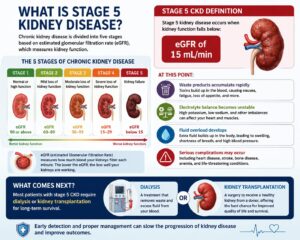
Chronic kidney disease is divided into five stages based on estimated glomerular filtration rate (eGFR), which measures kidney function.
Stage 5 CKD Definition
Stage 5 kidney disease occurs when kidney function falls below:
- eGFR of 15 mL/min
At this point:
- Waste products accumulate rapidly
- Electrolyte balance becomes unstable
- Fluid overload develops
- Serious complications may occur
Most patients with stage 5 CKD require dialysis or kidney transplantation for long-term survival.
What Causes Stage 5 Kidney Disease?
Stage 5 kidney disease usually develops gradually over many years.
1. Diabetes
Diabetes remains the leading cause of kidney failure worldwide.
High blood sugar damages kidney blood vessels over time, reducing filtering ability.
2. High Blood Pressure
Uncontrolled hypertension damages kidney tissues and accelerates CKD progression. (Understanding Stage 5 Kidney Disease: Symptoms)
3. Chronic Glomerulonephritis
Inflammation of kidney filtering units may eventually lead to severe kidney damage.
4. Polycystic Kidney Disease
This inherited condition causes cyst growth inside the kidneys.
5. Autoimmune Diseases
Conditions such as lupus may attack kidney tissues directly.
6. Recurrent Kidney Infections
Repeated infections can permanently scar kidney tissue.
Common Symptoms of Stage 5 Kidney Disease
Symptoms often become severe because toxins and fluids accumulate inside the body. (Understanding Stage 5 Kidney Disease: Symptoms)
 1. Extreme Fatigue and Weakness
One of the most common symptoms is persistent exhaustion.
Damaged kidneys produce less erythropoietin, which can cause anemia and low oxygen levels.
Patients Often Experience
- Low energy
- Weakness
- Difficulty concentrating
- Feeling tired constantly
2. Severe Swelling (Edema)
Poor kidney function causes fluid retention throughout the body. (Understanding Stage 5 Kidney Disease: Symptoms)
Swelling May Affect
- Feet
- Ankles
- Legs
- Hands
- Face
Fluid buildup can become severe in advanced kidney failure. (Understanding Stage 5 Kidney Disease: Symptoms)
3. Shortness of Breath
Excess fluid may accumulate in the lungs, making breathing difficult.
Anemia may also reduce oxygen delivery throughout the body. (Understanding Stage 5 Kidney Disease: Symptoms)
4. Changes in Urination
Urinary symptoms often become noticeable in stage 5 CKD.
Common Urinary Changes
- Very little urine output
- Frequent urination
- Foamy urine
- Dark urine
- Blood in urine
Some patients eventually stop producing normal amounts of urine entirely. (Understanding Stage 5 Kidney Disease: Symptoms)
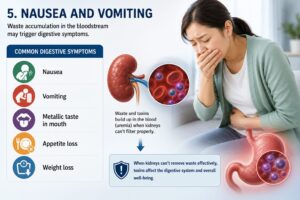 5. Nausea and Vomiting
Waste accumulation in the bloodstream may trigger digestive symptoms.
Common Digestive Symptoms
- Nausea
- Vomiting
- Metallic taste in mouth
- Appetite loss
- Weight loss
6. Persistent Itching
Mineral and toxin buildup may cause severe itching and skin irritation. This symptom is very common in advanced kidney failure. Using non-prescription, soothing anti-itch formulas like Aveeno Soothing Bath Treatment with Natural Colloidal Oatmeal or CeraVe Itch Relief Moisturizing Lotion (both available on Amazon) can help provide gentle topical comfort without introducing extra chemicals into the bloodstream.
7. Muscle Cramps
Electrolyte imbalance may trigger:
- Muscle cramps
- Twitching
- Restless legs
Abnormal potassium and calcium levels are common causes. (Understanding Stage 5 Kidney Disease: Symptoms)
8. Brain Fog and Confusion
Waste buildup can affect brain function.
Patients May Experience
- Poor concentration
- Memory issues
- Confusion
- Trouble focusing
Severe toxin buildup may eventually affect mental alertness. (Understanding Stage 5 Kidney Disease: Symptoms)
9. Chest Pain and Heart Problems
Fluid overload and electrolyte imbalance may increase cardiovascular risk.
Stage 5 kidney disease significantly increases the risk of:
- Heart attack
- Stroke
- Irregular heartbeat
Complications of Stage 5 Kidney Disease
Kidney failure affects nearly every system in the body. (Understanding Stage 5 Kidney Disease: Symptoms)
Common Complications Include
- Severe anemia
- Bone disease
- Fluid overload
- Heart disease
- Electrolyte imbalance
- High blood pressure
- Malnutrition
Without treatment, stage 5 CKD can become life-threatening.
How Stage 5 Kidney Disease Is Diagnosed
Doctors use several tests to confirm kidney failure.
Blood Tests
Blood tests measure:
- Creatinine
- Blood urea nitrogen (BUN)
- Electrolytes
- eGFR
Urine Tests
Urine testing helps detect:
- Protein leakage
- Blood
- Kidney damage markers
Imaging Tests
Ultrasounds and CT scans help evaluate kidney structure.
Treatment Options for Stage 5 Kidney Disease
Although stage 5 CKD is severe, treatment may help patients live longer and improve quality of life.
1. Dialysis
Dialysis replaces some kidney functions by removing waste and excess fluids from the blood.
Hemodialysis
Blood is cleaned using a dialysis machine.
Peritoneal Dialysis
The abdominal lining filters waste using special fluid.
Many patients require dialysis several times per week.
2. Kidney Transplant
A kidney transplant may offer the best long-term survival and quality of life for eligible patients.
A healthy donor kidney can restore much of the lost kidney function.
3. Medications
Doctors may prescribe medications to control blood pressure, treat anemia, and balance minerals.
Recommended Home Monitoring Tool: Because blood pressure stability is vital during dialysis and advanced stage care, keeping a reliable upper-arm monitor like the Omron Gold Blood Pressure Monitor (available on Amazon) helps patients track fluctuations between medical visits accurately.
4. Kidney-Friendly Diet
Nutrition becomes extremely important in advanced CKD.
Dietary Recommendations
-
Dietary Recommendations
-
Reduce sodium & limit potassium
-
Restrict phosphorus & moderate fluid intake
-
Avoid processed foods
Useful Resources & Tools:
-
Portion Accuracy: Measuring fluid and meal portions is critical in Stage 5. A GreaterGoods Digital Kitchen Scale (available on Amazon) ensures precise control over every ingredient.
-
Comprehensive Renal Nutrition Guide: To explore step-by-step renal meal planning, kidney-safe recipes, and low-potassium/phosphorus ideas, check out The Kidney Disease Solution (digital program on ClickBank).
-
Best Foods for Kidney Health
Some kidney-friendly foods may include:
- Apples
- Cauliflower
- Blueberries
- Garlic
- Cabbage
- Egg whites
Patients should always follow personalized dietary advice from healthcare professionals.
Living with Stage 5 Kidney Disease
A kidney failure diagnosis can feel overwhelming emotionally and physically.
Many patients benefit from:
- Family support
- Counseling
- Kidney support groups
- Lifestyle education
- Mental health care
With proper treatment and monitoring, some individuals continue living active and meaningful lives for many years.
Natural Kidney Wellness Support
Many people today also explore natural ways to support kidney wellness alongside medical treatment and healthy lifestyle changes.
-
Comprehensive Digital Program: For holistic educational resources covering lifestyle adjustments, emotional support strategies, and renal diet roadmaps, explore The Kidney Disease Solution Program on ClickBank.
-
Natural Lifestyle Roadmap: Programs like the All Natural Kidney Health & Kidney Function Restoration Program (on ClickBank) offer structured protocols on organizing kidney-friendly habits.
Always consult your healthcare provider before starting supplements or alternative wellness products.
Frequently Asked Questions
Is Stage 5 Kidney Disease the Same as Kidney Failure?
Yes. Stage 5 CKD is considered end-stage renal disease or kidney failure.
Can Someone Recover from Stage 5 Kidney Disease?
Severe kidney damage is usually permanent, but treatment may help manage symptoms and improve survival.
How Long Can Someone Live with Stage 5 Kidney Disease?
Life expectancy depends on overall health, treatment, dialysis access, and transplant eligibility.
What Is the Best Treatment for Stage 5 CKD?
Dialysis and kidney transplantation are the most common advanced treatment options.
How-is-stage-3-kidney-disease-treated/
Final Thoughts
Symptoms such as swelling, fatigue, breathing problems, nausea, itching, and changes in urination should never be ignored. Kidney failure affects the entire body, but modern treatments including dialysis, medications, dietary management, and transplantation may help patients live longer and healthier lives.
👉 Click Here to Explore Complete Kidney Health & Wellness Resources on ClickBank

CKD Online Editorial Team reviews all medical content to ensure accuracy, clarity, and alignment with current clinical guidelines. Articles are updated regularly to reflect the latest evidence-based recommendations.