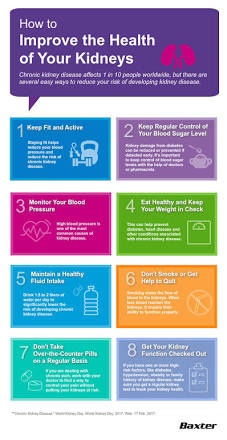
Chronic Kidney Disease (CKD) is a serious health condition affecting millions of people worldwide. When the kidneys lose their ability to filter waste and excess fluids properly, the body can experience dangerous complications such as high blood pressure, fluid retention, fatigue, and toxin buildup. While medical treatment is essential, following the right kidney CKD treatment diet can significantly improve kidney health and slow disease progression.
In this guide, you will learn how nutrition affects kidney function, which foods help support healthy kidneys, and what dietary habits may reduce stress on your kidneys naturally.
Understanding Chronic Kidney Disease
CKD occurs when the kidneys gradually lose function over time. The kidneys play a vital role in filtering blood, balancing minerals, controlling blood pressure, and removing toxins from the body. As kidney function declines, waste products accumulate in the bloodstream.
Common causes of CKD include:
- Diabetes
- High blood pressure
- Obesity
- Heart disease
- Family history of kidney disease
- Smoking
- Poor dietary habits
Symptoms often develop slowly and may include:
- Swelling in the legs or feet
- Fatigue
- Difficulty concentrating
- Muscle cramps
- Changes in urination
- High blood pressure
- Nausea or loss of appetite
Although there is no guaranteed cure for CKD, proper nutrition and lifestyle changes can help preserve kidney function and improve overall quality of life.
Why Diet Matters for CKD Patients
The kidneys work harder when the body consumes excessive sodium, unhealthy fats, processed foods, or high levels of certain minerals. A carefully planned kidney CKD treatment diet helps reduce kidney workload and supports healthier blood chemistry.
A kidney-friendly diet may help:
- Control blood pressure
- Reduce protein waste buildup
- Prevent fluid retention
- Balance potassium and phosphorus levels
- Improve energy levels
- Slow kidney damage progression
Nutrition is one of the most important long-term strategies for people living with chronic kidney disease.
Best Foods for a Kidney CKD Treatment Diet
1. Low-Sodium Vegetables
Too much sodium can increase blood pressure and fluid retention, placing extra stress on the kidneys.
Excellent low-sodium vegetables include:
- Cauliflower
- Cabbage
- Bell peppers
- Cucumbers
- Onions
- Lettuce
- Green beans
Fresh vegetables are usually better than canned options because they contain less sodium.
2. Healthy Fruits
Certain fruits provide antioxidants and vitamins without overwhelming the kidneys.
Kidney-friendly fruits include:
- Apples
- Blueberries
- Strawberries
- Grapes
- Pineapple
- Cranberries
These fruits may help reduce inflammation and support overall kidney function.
3. Lean Protein Sources
Protein is necessary for muscle health, but excessive protein can burden damaged kidneys. CKD patients should focus on moderate portions of high-quality protein.
Recommended sources include:
- Skinless chicken
- Fish
- Egg whites
- Turkey
- Tofu
Fatty fish such as salmon also provide omega-3 fatty acids that support heart and kidney health.
4. Healthy Fats
Healthy fats help reduce inflammation and support cardiovascular health, which is especially important for CKD patients.
Good options include:
- Olive oil
- Avocados (in moderation depending on potassium needs)
- Flaxseeds
- Chia seeds
- Walnuts
Avoid trans fats and heavily processed oils whenever possible.
5. Whole Grains in Moderation
Depending on the stage of CKD, some patients may benefit from controlled portions of whole grains.
Examples include:
- Oatmeal
- White rice
- Quinoa
- Whole grain bread
- Couscous
Your healthcare provider may recommend specific adjustments based on potassium and phosphorus levels.
Foods CKD Patients Should Avoid
Processed Foods
Highly processed foods are usually packed with sodium, preservatives, and unhealthy fats.
Avoid:
- Fast food
- Chips
- Processed meats
- Frozen dinners
- Instant noodles
Excess Sodium
High sodium intake increases blood pressure and water retention.
Limit foods such as:
- Canned soups
- Salty snacks
- Pickles
- Soy sauce
- Deli meats
High-Phosphorus Foods
Damaged kidneys struggle to remove excess phosphorus, which can weaken bones and damage blood vessels.
Limit:
- Cola drinks
- Processed cheese
- Organ meats
- Packaged baked goods
High-Potassium Foods
Some CKD patients must limit potassium to prevent dangerous heart complications.
High-potassium foods may include:
- Bananas
- Potatoes
- Tomatoes
- Oranges
- Spinach
Always follow your doctor’s guidance because potassium needs vary depending on CKD stage.
Importance of Hydration
Hydration is important for kidney health, but fluid intake recommendations differ for CKD patients. Some individuals may need to limit fluids if their kidneys cannot remove excess water effectively.
Tips for healthy hydration include:
- Drink water consistently throughout the day
- Avoid sugary sodas
- Limit alcohol
- Reduce energy drinks
- Monitor fluid retention symptoms
Consult your healthcare provider to determine the right fluid intake for your condition.
Lifestyle Habits That Support Kidney Health
A kidney CKD treatment diet works best when combined with healthy daily habits.
Exercise Regularly
Physical activity helps improve circulation, blood pressure, and weight management.
Good options include:
- Walking
- Swimming
- Cycling
- Yoga
Aim for at least 30 minutes of moderate exercise most days of the week.
Manage Blood Sugar
Diabetes is one of the leading causes of CKD. Maintaining stable blood sugar levels can help prevent additional kidney damage.
Control Blood Pressure
High blood pressure damages the tiny blood vessels inside the kidneys. Reducing sodium intake and maintaining a healthy lifestyle may help lower blood pressure naturally.
Avoid Smoking
Smoking reduces blood flow to the kidneys and increases the risk of kidney failure.
Get Quality Sleep
Poor sleep may increase inflammation and worsen overall health. Aim for 7–9 hours of quality sleep each night.
Can Supplements Help CKD Patients?
Many people with CKD search for natural supplements that may support kidney function. While no supplement can completely reverse chronic kidney disease, some kidney support formulas may provide nutritional support and antioxidant benefits when combined with a healthy lifestyle.
Choosing the right kidney support product is important because some supplements contain ingredients that may not be suitable for CKD patients. Always consult a healthcare professional before starting any supplement.
If you are looking for a natural kidney support solution designed to complement a kidney-friendly lifestyle, you can learn more here:
👉