CKD Online Editorial Team
Last Updated: August 20, 2026 • Reading Time: 11 min
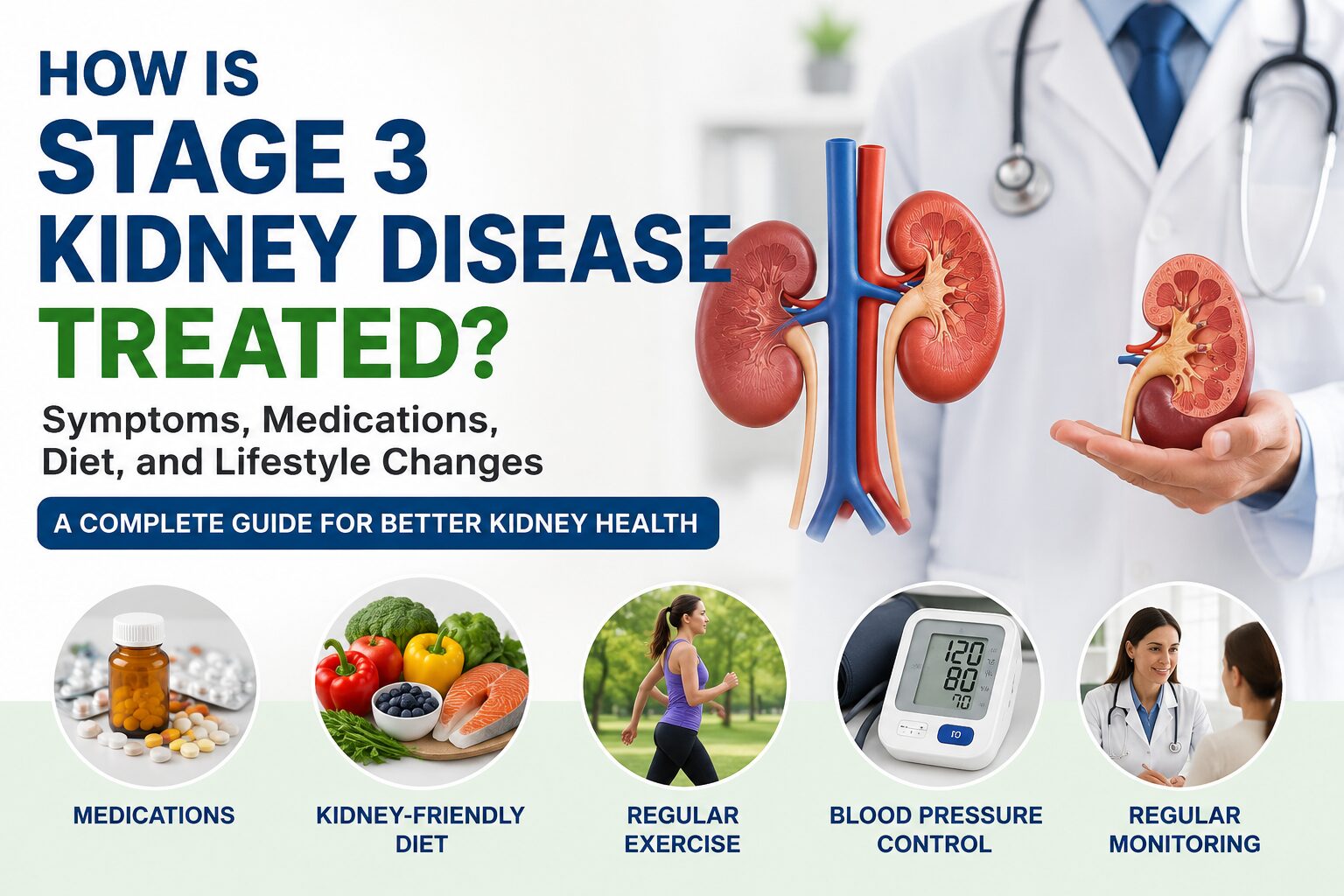
Chronic kidney disease (kidney disease) is a progressive condition that affects millions of people worldwide. Many patients first discover they have kidney disease during stage 3, when kidney function becomes moderately reduced and symptoms may begin appearing.
One of the most common questions patients ask is: “How is stage 3 kidney disease treated?”
The good news is that stage 3 kidney disease can often be managed successfully for many years with proper treatment. If you would like to explore all available treatment options for stage 3 kidney disease, this comprehensive guide explains every approach that may help protect kidney function.
According to the National Kidney Foundation, stage 3 kidney disease means the kidneys are functioning at approximately 30–59% of normal capacity, depending on whether the patient has stage 3a or stage 3b disease.
Understanding how stage 3 kidney disease is treated may help patients take control of their health and protect their remaining kidney function.
 What Is Stage 3 Kidney Disease?
Stage 3 chronic kidney disease occurs when the estimated glomerular filtration rate (eGFR) falls between 30 and 59 for at least three months.
Stage 3 kidney disease is divided into two substages:
- Stage 3a: eGFR between 45 and 59
- Stage 3b: eGFR between 30 and 44
At this stage, the kidneys are no longer filtering waste and fluids as efficiently as they should. Waste products may begin accumulating in the bloodstream, increasing the risk of complications such as high blood pressure, anemia, bone disease, and cardiovascular problems.
Common Symptoms of Stage 3 kidney disease
Many people with stage 3 kidney disease have mild or no symptoms at first. However, symptoms often become more noticeable as kidney function declines.
Common symptoms include:
- Fatigue
- Swelling in the feet or ankles
- Frequent urination
- Foamy urine
- Dry or itchy skin
- Muscle cramps
- Trouble sleeping
- Nausea
- Brain fog
- High blood pressure
According to Healthline and Medical News Today, many patients are first diagnosed during stage 3 because symptoms begin appearing at this point.
Reddit users with stage 3 kidney disease frequently mention symptoms such as fatigue, swelling, and anxiety after diagnosis.
 How Is Stage 3 Kidney Disease Treated? Main Treatment Goals
Treatment for stage 3 kidney diseasefocuses on:
- Slowing kidney damage progression
- Managing symptoms
- Protecting remaining kidney function
- Reducing cardiovascular risk
- Treating underlying causes
- Preventing complications
- To better understand the full range of therapies available for kidney disease, read our complete guide on kidney disease treatment options.
The National Kidney Foundation states that early treatment and lifestyle modifications can significantly reduce the risk of progression to kidney failure.
1. Controlling Blood Pressure
Blood pressure management is one of the most important treatments for stage 3 kidney disease.
High blood pressure damages the tiny blood vessels inside the kidneys, worsening kidney function over time. Unfortunately, kidney disease can also increase blood pressure, creating a dangerous cycle.
Common Blood Pressure Medications
Doctors often prescribe:
- ACE inhibitors
- ARBs (angiotensin receptor blockers)
These medications help lower blood pressure and may also protect kidney function. The American Kidney Fund notes that ACE inhibitors and ARBs may help slow kidney damage even in patients without high blood pressure.
Some Reddit users also discuss how nephrologists prioritize strict blood pressure control to protect kidney health.
Blood pressure control is only one part of a comprehensive treatment plan. You can also explore our complete guide to Treatment Options for Stage 3 Kidney Disease for additional strategies to help preserve kidney function.
 2. Managing Diabetes
Diabetes is one of the leading causes of chronic kidney disease worldwide.
Keeping blood sugar levels under control is essential for slowing kidney disease progression.
Diabetes management is just one part of a comprehensive Treatment for chronic kidney disease plan that may also include blood pressure control, dietary changes, and regular kidney monitoring.
Diabetes Treatments May Include:
- Insulin
- Oral diabetes medications
- SGLT2 inhibitors
- Dietary changes
- Regular glucose monitoring
According to the National Kidney Foundation, SGLT2 inhibitors may help protect kidney function and reduce kidney disease progression in some patients.
Blood sugar management is an important part of overall health for people with stage 3 kidney disease, particularly for those who have diabetes or other blood sugar concerns. Maintaining a balanced diet, staying physically active, monitoring glucose levels, and following your healthcare provider’s treatment plan can all contribute to better long-term health.
Some people also explore nutritional supplements designed to complement healthy blood sugar and metabolic wellness habits. However, supplements should be considered an additional wellness option rather than a replacement for prescribed medications, medical treatment, or professional dietary guidance.
👉 Gluco6 – Now Open To Everyone
Gluco6 is a nutritional supplement marketed for people interested in supporting healthy blood sugar and metabolic wellness. If you are considering adding a blood sugar support supplement to your daily routine, you can learn more about Gluco6 through the link above.
For individuals looking to support healthy blood sugar management alongside medical care, some people also explore wellness supplements such as GlucoTrust as part of their broader healthy lifestyle routine. These products are not intended to diagnose, treat, cure, or prevent disease, and patients should always consult their healthcare provider before starting any supplement.
 3. Kidney-Friendly Diet
Diet plays a major role in stage 3 kidney disease treatment.
A kidney-friendly diet helps reduce stress on the kidneys and lowers the risk of complications.
Diet is only one component of long-term kidney care. Learn more about other Kidney Disease Treatment Options that may help slow kidney disease progression
Doctors Often Recommend:
- Lower sodium intake
- Limiting processed foods
- Balanced protein intake
- Reducing sugary beverages
- Eating more fruits and vegetables
- Managing potassium and phosphorus if needed
The National Kidney Foundation recommends discussing diet changes with a kidney dietitian because nutritional needs vary depending on lab results and complications.
Reddit users with stage 3 kidney disease commonly recommend:
- Reducing salt
- Avoiding processed foods
- Staying hydrated
- Eating less red meat
Some patients may not require strict potassium or phosphorus restrictions during stage 3 kidney disease, depending on their blood test results.
Maintaining stable blood sugar through healthy eating habits may also support overall kidney wellness. Some individuals combine dietary improvements with supportive wellness products like GlucoTrust Blood Sugar Support Formula while continuing regular medical monitoring and prescribed treatment plans.
4. Avoiding Harmful Medications
Certain medications may worsen kidney damage.
The National Kidney Foundation warns that many NSAID pain relievers can harm kidney function, especially when used long term.
NSAIDs Often Avoided Include:
- Ibuprofen
- Naproxen
- Diclofenac
- High-dose aspirin
Doctors may recommend acetaminophen instead for pain relief because it is generally safer for the kidneys when used appropriately.
Patients should always discuss supplements, herbal remedies, and over-the-counter medications with their healthcare provider before use.
5. Treating Anemia and Bone Problems
Stage 3 kidney disease can cause complications such as anemia and mineral imbalances.
Anemia Treatment May Include:
- Iron supplements
- Erythropoiesis-stimulating medications
- Vitamin support
Bone Health Treatment May Include:
- Vitamin D supplements
- Calcium management
- Phosphorus control
The National Kidney Foundation recommends screening for anemia, metabolic acidosis, and mineral bone disorders during stage 3 kidney disease.
These complications are common in chronic kidney disease and are usually managed as part of a comprehensive Treatment for Chronic Kidney Disease program.
6. Managing Swelling and Fluid Retention
As kidney function declines, some patients experience swelling in the legs, ankles, hands, or face.
Doctors may prescribe:
- Diuretics (“water pills”)
- Sodium restriction
- Fluid management strategies
According to the American Kidney Fund, diuretics may help remove excess salt and fluid from the body.
Patients with worsening swelling should continue regular follow-up with their healthcare provider to determine whether additional treatment is necessary.
7. Lifestyle Changes That Help Protect Kidney Function
Lifestyle changes are one of the most effective ways to slow kidney disease progression.
Combining healthy lifestyle habits with appropriate medical treatment gives patients the best opportunity to preserve kidney function.
Important Lifestyle Habits Include:
Exercise Regularly
Physical activity may help:
- Lower blood pressure
- Improve circulation
- Support weight management
- Reduce cardiovascular risk
Quit Smoking
Smoking damages blood vessels and may accelerate kidney decline.
If chronic kidney disease continues to progress despite treatment, some patients may eventually require Dialysis for Kidney Failure. Learning about future treatment options early can help patients make informed decisions with their healthcare team.
Maintain Healthy Weight
Obesity increases the risk of kidney disease progression and heart disease.
Stay Hydrated
Proper hydration supports kidney health, although fluid recommendations vary depending on the patient’s condition.
Limit Alcohol
Excessive alcohol can worsen blood pressure and dehydration.
The National Kidney Foundation strongly encourages healthy lifestyle changes during stage 3 kidney disease because they may significantly slow progression.
Some people also choose to complement healthy daily habits with natural wellness products such as GlucoTrust Official Website that focus on blood sugar balance, metabolism, and sleep support.
 8. Regular Monitoring and Medical Follow-Up
Regular checkups are extremely important for stage 3 CKD patients.
Doctors commonly monitor:
- eGFR
- Creatinine
- Blood pressure
- Urine protein
- Potassium
- Phosphorus
- Hemoglobin
- Cholesterol
Many Reddit users emphasize the importance of seeing a nephrologist and monitoring lab results consistently.
Some people remain stable in stage 3 Ckidney disease for decades with proper management.
Can Stage 3 Kidney Disease Be Reversed?
Unfortunately, chronic kidney damage is usually not reversible once kidney disease reaches stage 3.
However, progression can often be slowed dramatically through:
- Blood pressure control
- Diabetes management
- Healthy diet
- Medication management
- Lifestyle improvements
According to Verywell Health, many people with stage 3 kidney disease never progress to kidney failure if treated appropriately.
Natural Kidney Wellness Support
Many people with kidney concerns also explore educational wellness programs focused on kidney-friendly nutrition, hydration, and healthy lifestyle habits.
You can learn more here:
👉 GlucoTrust Wellness Support Program
These wellness resources are designed to complement professional medical care and encourage healthier daily routines that support overall kidney wellness.
When Should You See a Doctor?
You should speak with a healthcare professional if you experience:
- Persistent fatigue
- Swelling
- Foamy urine
- Blood in urine
- High blood pressure
- Nausea
- Difficulty breathing
- Changes in urination
Early diagnosis is extremely important because kidney disease often progresses silently for years.
Final Thoughts
If you are wondering how stage 3 kidney disease is treated, the answer usually involves a combination of medications, dietary improvements, healthy lifestyle changes, and regular medical monitoring.
Although stage 3 kidney disease cannot usually be cured, many patients successfully manage the condition for years or even decades. Blood pressure control, diabetes management, avoiding harmful medications, eating a kidney-friendly diet, and maintaining healthy daily habits may all help slow kidney disease progression.
If kidney function continues to decline despite treatment, learning abouttreatment for kidney failure can help patients understand the options available for advanced stages of chronic kidney disease.
For readers interested in additional wellness support for healthy blood sugar management and overall metabolic health, you can explore GlucoTrust Here alongside guidance from your healthcare provider.
Working closely with a healthcare provider and taking early action can make a major difference in protecting kidney function and improving long-term health outcomes.
stage 3 kidney disease elderly
FAQ
Frequently Asked Questions
1. Can Stage 3 kidney disease be treated?
Yes. Although Stage 3 chronic kidney disease cannot usually be cured, it can often be managed successfully with medications, a kidney-friendly diet, healthy lifestyle changes, and regular medical monitoring. Early treatment may help slow disease progression and preserve kidney function.
2. What is the best treatment for Stage 3 kidney disease?
The best treatment depends on the underlying cause. Most patients benefit from controlling blood pressure, managing diabetes (if present), taking prescribed medications, reducing sodium intake, exercising regularly, and following a kidney-friendly diet.
3. Can Stage 3 kidney disease be reversed?
In most cases, Stage 3 kidney disease cannot be reversed because kidney damage is permanent. However, proper treatment may slow or even stabilize the decline in kidney function for many years.
4. What foods should I avoid with Stage 3 kidney disease?
People with Stage 3 kidney disease should generally limit foods high in sodium, processed meats, sugary drinks, and excessive phosphorus or potassium if recommended by their healthcare provider. A personalized meal plan from a renal dietitian is often the best approach.
5. How long can someone live with Stage 3 kidney disease?
Many people with Stage 3 kidney disease live for decades with appropriate treatment. Regular follow-up, healthy lifestyle habits, and effective management of blood pressure and diabetes play a major role in long-term outcomes.
6. When should I see a kidney specialist?
You should consult a nephrologist if your kidney function continues to decline, your estimated glomerular filtration rate (eGFR) falls significantly, you develop persistent protein in the urine, or your primary care doctor recommends specialist care.

CKD Online Editorial Team reviews all medical content to ensure accuracy, clarity, and alignment with current clinical guidelines. Articles are updated regularly to reflect the latest evidence-based recommendations.