CKD Online Editorial Team
Last Updated: August 14, 2026 • Reading Time: 5 min
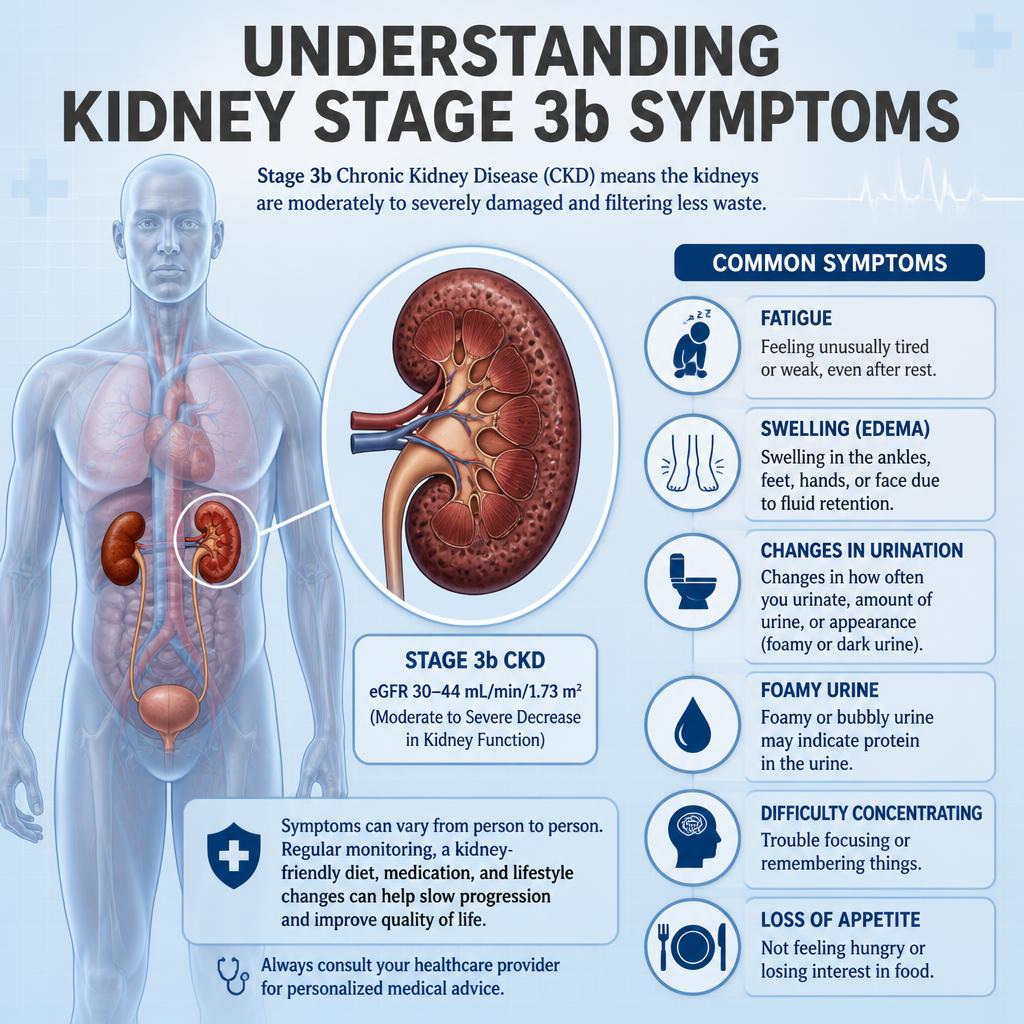
Understanding Kidney Stage 3b: Symptoms is important because this stage of chronic kidney disease often marks the point when noticeable signs begin to appear. Recognizing symptoms early can help slow disease progression and protect kidney function. Kidney disease affects millions of people worldwide and can gradually worsen over time if not managed properly. One important stage that requires serious attention is Kidney Stage 3b. At this stage, kidney function has declined significantly, but with the right treatment and lifestyle changes, many people can still maintain a good quality of life.
In this guide, you will learn about the symptoms, causes, treatment options, and practical ways to manage Kidney Stage 3b effectively.
 What Is Kidney Stage 3b?
Chronic kidney disease (CKD) is divided into five stages based on kidney function. Kidney Stage 3 is split into:
- Stage 3a
- Stage 3b
Kidney Stage 3b means the kidneys are functioning at approximately 30% to 44% of normal capacity. This is measured through the glomerular filtration rate (GFR), which evaluates how well the kidneys filter waste from the blood.
At this stage, waste products and fluids can begin building up in the body, causing noticeable symptoms and health complications.
 Common Symptoms of Kidney Stage 3b
As kidney function decreases, many people begin experiencing symptoms that interfere with daily life.
Fatigue and Weakness
Damaged kidneys cannot remove toxins effectively, leading to tiredness and low energy levels.
Swelling in Legs and Feet
Fluid retention may cause swelling in the ankles, feet, hands, or around the eyes.
Changes in Urination
People may urinate more often, less often, or notice foamy or dark-colored urine.
Shortness of Breath
Excess fluid buildup can sometimes affect the lungs and make breathing difficult.
Nausea and Loss of Appetite
Waste accumulation in the bloodstream may lead to digestive discomfort and reduced appetite.
Sleep Problems
Many individuals with CKD experience poor sleep quality due to muscle cramps, itching, or toxin buildup.
If these symptoms are becoming more frequent, it is important to seek medical attention early.
What Causes Kidney Stage 3b?
Several medical conditions can increase the risk of developing chronic kidney disease.
Diabetes
High blood sugar damages the small blood vessels inside the kidneys over time.
Understanding Kidney Stage 3b Symptoms: High Blood Pressure
Uncontrolled hypertension places extra pressure on the kidneys and reduces their filtering ability.
Glomerulonephritis
Inflammation in the kidney’s filtering units can gradually impair kidney function.
Polycystic Kidney Disease
This inherited condition causes cysts to develop in the kidneys, reducing normal function.
Aging
Kidney efficiency naturally declines with age, especially after age 60.
People with these conditions should regularly monitor kidney health to prevent further complications.
 Treatment Options for Kidney Stage 3b
Although Kidney Stage 3b cannot usually be reversed, proper treatment can slow progression and help manage symptoms effectively.
1. Medication Management
Doctors may prescribe medications to:
- Control blood pressure
- Lower blood sugar levels
- Reduce swelling
- Protect remaining kidney function
- Manage anemia and mineral imbalances
Taking medications exactly as prescribed is extremely important.
Kidney-Friendly Diet Tips
Diet plays a major role in protecting kidney function.
Reduce Sodium Intake
Too much salt can increase blood pressure and worsen fluid retention.
Limit Protein
Excess protein may put additional stress on damaged kidneys.
Watch Potassium and Phosphorus
Certain foods high in potassium or phosphorus may become harmful as kidney disease progresses.
Stay Hydrated
Drinking the correct amount of fluids helps support overall kidney health.
Many people are now following specialized kidney-friendly nutrition programs to better manage their condition naturally.
Lifestyle Changes That Can Help
Healthy daily habits may slow kidney disease progression and improve overall wellness.
Exercise Regularly
Walking, stretching, and light exercise can support heart and kidney health.
Maintain a Healthy Weight
Excess weight increases the risk of diabetes and high blood pressure.
Avoid Smoking
Smoking reduces blood flow to the kidneys and worsens kidney damage.
Limit Alcohol
Too much alcohol can strain the kidneys and increase blood pressure.
Small lifestyle improvements made consistently can have a major impact over time.
Can Kidney Stage 3b Lead to Dialysis?
In some cases, Kidney Stage 3b may eventually progress to Stage 4 or Stage 5 kidney disease. If kidney function declines severely, dialysis or kidney transplantation may become necessary.
However, early management, proper nutrition, medication, and healthy habits can help many individuals delay or avoid dialysis for years.
This is why taking action early is so important.
How to Prevent Further Kidney Damage
Protecting your remaining kidney function should become a top priority.
Helpful strategies include:
- Monitoring blood pressure regularly
- Keeping blood sugar under control
- Following a kidney-friendly diet
- Taking medications consistently
- Staying physically active
- Attending regular medical checkups
Early intervention can significantly improve long-term outcomes.
Conclusion
Kidney Stage 3b is a serious condition, but it can often be managed successfully with the right combination of medical care, nutrition, and lifestyle adjustments.
Understanding the symptoms and causes of kidney disease allows people to make informed decisions and take proactive steps toward protecting their health.
If you or someone you know is living with Kidney Stage 3b, now is the time to focus on healthier habits and supportive kidney care strategies.
Many people are exploring natural kidney support programs and specialized nutrition plans designed to help maintain healthy kidney function and improve quality of life.

CKD Online Editorial Team reviews all medical content to ensure accuracy, clarity, and alignment with current clinical guidelines. Articles are updated regularly to reflect the latest evidence-based recommendations.