
CKD Online Editorial Team
Last Updated: September 22, 2026 • Reading Time: 7 min
Chronic Kidney Disease (CKD) affects millions of people worldwide and can significantly impact overall health and quality of life. The kidneys play a critical role in filtering waste, balancing fluids, regulating blood pressure, and maintaining essential minerals in the body. When kidney function declines, toxins and excess fluids begin to build up, potentially leading to serious complications.
Although medical treatment is essential for managing CKD, many patients also search for safe and effective home remedies for CKD patients to help support kidney function naturally. Lifestyle changes, healthy nutrition, hydration, and natural habits may help reduce kidney stress and improve overall wellness when combined with proper medical care.
In this article, you will discover practical home remedies that may help CKD patients manage symptoms, improve kidney health, and support daily well-being naturally.
 Understanding Chronic Kidney Disease
Chronic Kidney Disease develops gradually over time. In many cases, kidney damage is caused by conditions such as diabetes, high blood pressure, obesity, or long-term inflammation.
The stages of CKD range from mild kidney damage to complete kidney failure. Common symptoms may include:
- Swelling in the ankles or feet
- Fatigue
- Difficulty concentrating
- Changes in urination
- Muscle cramps
- Nausea
- High blood pressure
- Poor appetite
Since CKD often progresses slowly, early lifestyle changes can make a meaningful difference in protecting remaining kidney function.
Why Home Remedies Matter for CKD Patients
Home remedies are not a replacement for professional medical treatment. However, natural supportive habits may help:
- Reduce inflammation
- Improve blood pressure control
- Support circulation
- Decrease toxin buildup
- Promote healthier digestion
- Support immune function
- Improve energy levels
Combining healthy home practices with prescribed treatments may help CKD patients feel better and potentially slow disease progression.
 1. Stay Properly Hydrated
Hydration is one of the most important factors for kidney health. Water helps flush toxins and supports healthy kidney filtration.
However, CKD patients must be careful because too much fluid can also stress weakened kidneys.
Helpful hydration tips include:
- Drink water consistently throughout the day
- Avoid sugary beverages
- Reduce soda intake
- Limit alcohol
- Monitor swelling or fluid retention
The correct fluid intake depends on your CKD stage and your doctor’s recommendations.
2. Reduce Sodium Intake
Excess sodium increases blood pressure and causes water retention, both of which place extra strain on damaged kidneys.
Simple ways to reduce sodium include:
- Avoid processed foods
- Limit canned soups
- Choose fresh vegetables
- Reduce salty snacks
- Avoid fast food
- Read nutrition labels carefully
Preparing meals at home can help control sodium intake more effectively.
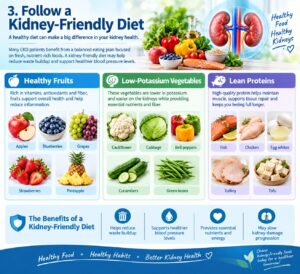 3. Follow a Kidney-Friendly Diet
Diet plays a major role in kidney health. Many CKD patients benefit from a balanced eating plan focused on fresh, nutrient-rich foods.
Kidney-friendly foods may include:
Healthy Fruits
- Apples
- Blueberries
- Grapes
- Strawberries
- Pineapple
Low-Potassium Vegetables
- Cauliflower
- Cabbage
- Bell peppers
- Cucumbers
- Green beans
Lean Proteins
- Fish
- Chicken
- Egg whites
- Turkey
- Tofu
A kidney-friendly diet may help reduce waste buildup and support healthier blood pressure levels.
4. Control Blood Pressure Naturally
High blood pressure is one of the leading causes of kidney damage. Managing blood pressure naturally can help protect kidney function.
Helpful strategies include:
- Exercising regularly
- Reducing stress
- Limiting sodium
- Maintaining healthy weight
- Sleeping well
- Avoiding smoking
Even light daily activity like walking may improve circulation and heart health.
 5. Drink Herbal Teas Carefully
Certain herbal teas may provide antioxidants and anti-inflammatory compounds that support general wellness.
Popular options include:
- Ginger tea
- Chamomile tea
- Peppermint tea
- Green tea in moderation
However, some herbal ingredients may not be safe for CKD patients. Always speak with a healthcare professional before using herbal remedies regularly.
6. Manage Blood Sugar Levels
Diabetes is one of the most common causes of CKD. Keeping blood sugar under control may help slow kidney damage.
Helpful habits include:
- Eating balanced meals
- Reducing sugar intake
- Exercising regularly
- Monitoring glucose levels
- Avoiding processed carbohydrates
Stable blood sugar levels can reduce stress on the kidneys and improve overall health.
7. Exercise Regularly
Regular physical activity supports circulation, blood pressure, and weight management.
Safe exercises for CKD patients may include:
- Walking
- Swimming
- Yoga
- Stretching
- Light cycling
Exercise may also improve mood and reduce fatigue, which are common concerns among CKD patients.
8. Avoid Smoking and Excess Alcohol
Smoking reduces blood flow to the kidneys and may accelerate kidney damage. Excess alcohol can also worsen dehydration and blood pressure issues.
Quitting smoking and limiting alcohol consumption are among the best natural ways to support long-term kidney health.
9. Improve Sleep Quality
Poor sleep may increase inflammation and negatively affect immune function. Many CKD patients struggle with sleep problems due to discomfort, cramps, or stress.
Helpful sleep habits include:
- Maintaining a regular bedtime
- Reducing caffeine intake
- Limiting screen time before bed
- Creating a calm sleeping environment
- Practicing relaxation techniques
Good sleep supports healing and overall wellness.
10. Reduce Stress Levels
Chronic stress may contribute to high blood pressure and inflammation. Finding healthy ways to manage stress can support both mental and physical health.
Natural stress-reduction techniques include:
- Meditation
- Deep breathing
- Prayer
- Journaling
- Spending time outdoors
- Listening to relaxing music
Mental well-being is an important part of managing chronic illness.
11. Use Natural Anti-Inflammatory Foods
Inflammation may contribute to kidney damage progression. Certain foods contain antioxidants and anti-inflammatory nutrients that support overall health.
Examples include:
- Blueberries
- Garlic
- Olive oil
- Turmeric
- Fish rich in omega-3 fatty acids
These foods may support heart and kidney health when included in a balanced diet.
12. Monitor Protein Intake
Protein is important for maintaining muscle and tissue repair, but excessive protein can increase kidney workload.
CKD patients often benefit from moderate protein intake using high-quality sources such as:
- Fish
- Egg whites
- Poultry
- Plant-based proteins
Always follow your healthcare provider’s dietary recommendations regarding protein consumption.
13. Maintain a Healthy Weight
Being overweight may increase the risk of diabetes, high blood pressure, and kidney strain.
Healthy weight management strategies include:
- Eating portion-controlled meals
- Staying physically active
- Avoiding sugary drinks
- Choosing whole foods over processed snacks
Even modest weight loss may improve kidney-related health markers.
14. Be Careful with Over-the-Counter Medications
Some common pain relievers and medications may harm the kidneys when used excessively.
Examples include:
- Ibuprofen
- Naproxen
- Certain anti-inflammatory drugs
CKD patients should always consult a healthcare professional before using medications or supplements regularly.
Can Natural Supplements Help CKD Patients?
Many people search for natural supplements that may support kidney health. While supplements cannot cure CKD, some products may provide antioxidant and nutritional support that complements a healthy lifestyle.
It is important to choose supplements carefully because certain ingredients may not be suitable for people with kidney disease.
If you are interested in learning more about a natural kidney support formula designed to complement a healthy CKD lifestyle, you can explore more information here:
👉 Discover a Natural Kidney Support Solution for CKD Patients
Sample Daily Routine for CKD Patients
Morning
- Drink water
- Eat a healthy low-sodium breakfast
- Take a short walk
Afternoon
- Eat balanced meals
- Monitor blood pressure
- Stay hydrated
Evening
- Prepare a kidney-friendly dinner
- Practice relaxation techniques
- Limit salty snacks
Night
- Avoid caffeine late in the day
- Get 7–9 hours of sleep
Consistency with healthy daily habits may help improve long-term kidney health outcomes.
When to Seek Medical Attention
Home remedies can support wellness, but CKD requires professional medical supervision.
Seek medical attention if you experience:
- Severe swelling
- Difficulty breathing
- Chest pain
- Sudden changes in urination
- Persistent nausea
- Severe fatigue
Early intervention may prevent complications and protect kidney function.
Final Thoughts
Managing chronic kidney disease requires a combination of medical treatment, healthy nutrition, and supportive lifestyle habits. These home remedies for CKD patients may help reduce kidney stress, improve overall wellness, and support a healthier daily routine.
Simple habits such as reducing sodium, staying hydrated, exercising regularly, managing blood pressure, and eating kidney-friendly foods can make a meaningful difference over time.
Many CKD patients also explore natural nutritional support options to complement their healthy lifestyle. If you would like to learn more about a natural kidney support formula designed for kidney wellness, visit the link below:
👉 Learn More About Natural Kidney Health Support Here
Always consult your doctor or registered dietitian before making major dietary or supplement changes, especially if you have advanced kidney disease or other health conditions.
Stage 3 kidney disease symptoms

CKD Online Editorial Team reviews all medical content to ensure accuracy, clarity, and alignment with current clinical guidelines. Articles are updated regularly to reflect the latest evidence-based recommendations.