
CKD Online Editorial Team
Last Updated: August 19, 2026 • Reading Time: 4 min
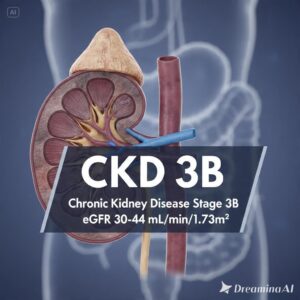
Receiving a diagnosis of ckd 3b marks a critical turning point in managing Chronic Kidney Disease. At this stage, your estimated Glomerular Filtration Rate (eGFR) falls between 30 and 44 mL/min, indicating moderate to severe kidney damage. While kidney function is noticeably reduced, taking proactive steps can help stabilize your condition, alleviate symptoms, and significantly delay disease progression.
Navigating life with ckd 3b requires a comprehensive strategy combining clinical supervision, specialized nutrition, daily monitoring, and evidence-based holistic support.
 1. What Does a CKD 3b Diagnosis Mean?
Chronic Kidney Disease is divided into stages based on eGFR levels. Stage 3 is subdivided into Stage 3a (eGFR 45–59) and Stage 3b (eGFR 30–44) to provide more targeted medical care.
When you transition into ckd 3b, waste products and excess fluids begin accumulating in the bloodstream more rapidly. Common clinical signs include:
-
Persistent Fatigue: Reduced erythropoietin production leads to anemia and fatigue.
-
Fluid Retention (Edema): Swelling in the ankles, feet, or hands due to impaired sodium and fluid filtration.
-
Changes in Urination: Foamy urine, increased nighttime urination, or altered urine color.
-
Electrolyte Imbalances: Elevated serum phosphorus and potassium levels.
Understanding these indicators allows patients with ckd 3b to take swift action alongside their medical team.
2. Dietary Management for CKD 3b Patients
Nutrition is the single most controllable factor when managing ckd 3b. Restructuring your daily diet lightens the workload on your remaining functional nephrons:
-
Sodium Restriction: Keep daily sodium under 2,000 mg to prevent fluid retention and manage hypertension.
-
Protein Optimization: Moderate your protein intake to reduce nitrogenous waste accumulation without causing malnutrition.
-
Potassium & Phosphorus Control: Limit foods high in potassium (bananas, tomatoes) and phosphorus (dairy, processed foods) based on routine blood tests.
To eliminate the guesswork from meal planning and adopt a proven lifestyle strategy, many patients rely on comprehensive digital protocols like The Kidney Disease Solution Program (ClickBank), which offers step-by-step dietary guidelines, recipes, and stress-reduction techniques tailored for kidney recovery.
 3. Medical Interventions and Natural Support
Managing ckd 3b medically involves slowing down renal decline and controlling underlying conditions like high blood pressure and diabetes.
-
Prescription Therapies: Nephrologists frequently prescribe ACE inhibitors, ARBs, or SGLT2 inhibitors to reduce intraglomerular pressure and proteinuria.
-
Targeted Botanical Support: Complementing prescription medications with natural wellness protocols can optimize health outcomes. Organic formulations like NutraKidney Herbal Wellness Formula (ClickBank) provide targeted herbal nutrients designed to foster healthy urinary filtration and overall bladder vitality under physician oversight.
4. Daily Self-Monitoring and Lifestyle Adjustments
Active home monitoring is essential for anyone living with ckd 3b. Daily tracking provides your doctor with critical real-world data:
-
Blood Pressure Control: Maintain blood pressure below 130/80 mmHg to shield delicate kidney blood vessels.
-
Weight Checks: Weigh yourself every morning. Sudden weight gain (2–3 lbs overnight) often signals fluid retention.
-
Smoking Cessation & Exercise: Quitting smoking preserves renal blood flow, while moderate daily exercise improves cardiovascular stamina.
Empowering yourself with educational resources—such as The Kidney Health Initiative eBook (ClickBank)—gives you actionable strategies to navigate conservative management, symptom relief, and lifestyle shifts effectively.
5. Partnering with Your Nephrologist
Regular doctor visits every 3 to 6 months are vital when managing ckd 3b. Your healthcare team will track key indicators through:
-
Serum Creatinine & eGFR: To evaluate filtration efficiency.
-
Urine Albumin-to-Creatinine Ratio (uACR): To measure protein leakage.
-
Blood Panels: To check hemoglobin, calcium, phosphorus, and potassium levels.
By combining clinical care, dietary precision, and holistic digital guides, many individuals with ckd 3b maintain stable kidney function for decades without ever progressing to Stage 4 or 5.
Take Charge of Your Kidney Health
A ckd 3b diagnosis is an invitation to take proactive control of your wellness. Through informed dietary choices, regular monitoring, and holistic support programs, you can preserve your health and maintain a high quality of life.
For more evidence-based medical guides, diet plans, and resources, explore our patient library at CKDOnline.org.

CKD Online Editorial Team reviews all medical content to ensure accuracy, clarity, and alignment with current clinical guidelines. Articles are updated regularly to reflect the latest evidence-based recommendations.