
CKD Online Editorial Team
Last Updated: October 4, 2026 • Reading Time: 4 min
Receiving a diagnosis of stage 4 kidney disease represents a significant milestone in chronic kidney disease (CKD) management. At Stage 4, your estimated Glomerular Filtration Rate (eGFR) drops to between 15 and 29 mL/min, indicating severe kidney damage. While this stage means your kidneys are functioning at a fraction of their normal capacity, structured medical intervention and lifestyle adaptations can slow further decline and help prepare for potential renal replacement therapy.
Understanding the implications of stage 4 kidney disease enables patients and caregivers to take proactive control over health outcomes, manage distressing symptoms, and preserve quality of life.
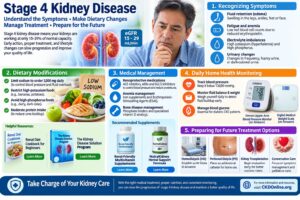 1. Recognizing Symptoms of Stage 4 Kidney Disease
Because kidney function is significantly impaired at Stage 4, metabolic waste products build up in the bloodstream (uremia). Common signs and complications include:
-
Fluid Retention (Edema): Swelling in the legs, ankles, feet, or face due to reduced fluid excretion.
-
Fatigue and Anemia: Lower erythropoietin production by the kidneys leads to decreased red blood cell counts.
-
Electrolyte Imbalances: Elevated levels of potassium (hyperkalemia) and phosphorus, which affect heart function and bone density.
-
Urinary Changes: Changes in frequency, foamy urine, or dark-colored urine.
Early recognition of these symptoms ensures timely adjustments to medical treatment plans.
2. Dietary Modifications for Advanced Kidney Care
Nutrition is a critical non-invasive pillar when managing stage 4 kidney disease. Strict dietary adjustments reduce the metabolic burden placed on the remaining functional nephrons.
-
Strict Sodium Control: Limiting sodium to under 2,000 mg daily prevents fluid overload and controls high blood pressure.
-
Potassium and Phosphorus Restrictions: Avoiding high-potassium foods (bananas, potatoes) and high-phosphorus foods (dairy, dark colas) protects cardiac and skeletal health.
-
Low-Protein Diet: Moderating protein intake reduces urea accumulation while preserving lean muscle mass.
To remove guesswork from daily meal preparation, patients frequently utilize resources like the Renal Diet Cookbook for Beginners . Furthermore, individuals seeking structured natural lifestyle protocols often explore digital resources such as The Kidney Disease Solution Program (ClickBank) to support their holistic wellness alongside clinical care.
3. Medical Management and Targeted Supplementation
Pharmacotherapy in stage 4 kidney disease focuses on protecting remaining renal function and preventing cardiovascular events.
-
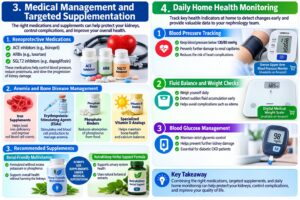
Renoprotective Medications: ACE inhibitors, ARBs, and SGLT2 inhibitors are routinely prescribed to manage blood pressure and reduce proteinuria.
-
Anemia and Bone Disease Management: Iron supplements, Erythropoiesis-Stimulating Agents (ESAs), phosphate binders, and specialized vitamin D analogs are commonly required.
Because standard multivitamins contain minerals harmful to Stage 4 patients, doctors often suggest Renal-Friendly Multivitamin Supplements (formulated without excess potassium or phosphorus). Additionally, botanical options like NutraKidney Herbal Support Formula (ClickBank) offer supplemental urinary system support under medical supervision.
4. Daily Home Health Monitoring
Active self-monitoring at home provides indispensable data for your nephrology team when managing stage 4 kidney disease.
-
Blood Pressure Tracking: Aim to keep blood pressure below 130/80 mmHg to avoid damaging remaining renal capillaries.
-
Fluid Balance and Weight Checks: Weighing yourself daily helps detect sudden fluid accumulation early.
-
Blood Glucose Management: Strict glycemic control remains essential for diabetic CKD patients.
Equipping your home with medical-grade equipment makes daily tracking accurate and simple. Using an Omron Upper Arm Blood Pressure Monitor on Amazon alongside a precision Digital Medical Weight Scale on Amazon allows you to provide reliable records during routine check-ups.
 5. Preparing for Future Treatment Options
A primary goal during stage 4 kidney disease is preparing for Stage 5 (End-Stage Renal Disease or ESRD) before urgent intervention is needed. Your nephrologist will discuss options such as:
-
Hemodialysis (HD): Establishing an arteriovenous (AV) fistula in advance ensures smooth blood filtration access.
-
Peritoneal Dialysis (PD): Placing a abdominal catheter allows home-based filtration.
-
Kidney Transplantation: Beginning the evaluation process early increases the chances of a preemptive transplant.
-
Conservative Care: Focusing on symptom management and palliative care without dialysis, supported by educational resources like The Kidney Health Initiative eBook (ClickBank).
Take Charge of Your Kidney Care
While stage 4 kidney disease represents a severe stage of kidney decline, proactive medical management, precise nutrition, and diligent home tracking can help stabilize your health and prepare you effectively for the future.
For more evidence-based medical articles, diet guides, and health resources, explore our patient library at CKDOnline.org.

CKD Online Editorial Team reviews all medical content to ensure accuracy, clarity, and alignment with current clinical guidelines. Articles are updated regularly to reflect the latest evidence-based recommendations.