CKD Online Editorial Team
Last Updated: July 21, 2026 • Reading Time: 7 min
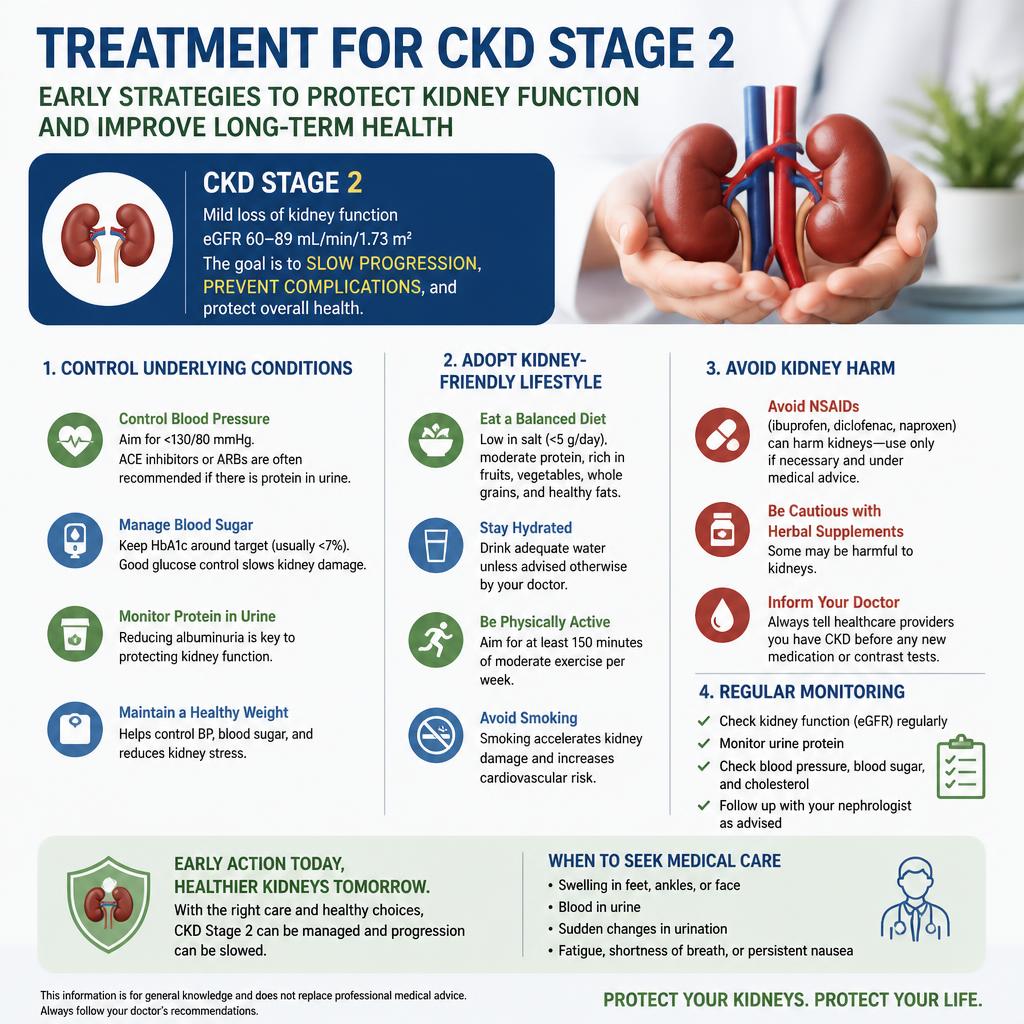
Chronic Kidney Disease (CKD) Stage 2 is an early stage of kidney damage where the kidneys are still functioning relatively well but have started showing signs of reduced efficiency. At this stage, many people experience few or no noticeable symptoms, which makes early diagnosis and proper treatment extremely important.
Understanding the best treatment for CKD stage 2 can help slow kidney damage, reduce complications, and improve overall quality of life. With healthy lifestyle changes, medical supervision, and proper nutrition, many individuals with stage 2 CKD can maintain stable kidney function for many years.
In this complete guide, you will learn about stage 2 CKD symptoms, causes, medical treatment options, kidney-friendly diets, and natural lifestyle strategies that may help support healthy kidney function.
What Is CKD Stage 2?
Chronic Kidney Disease is divided into five stages based on estimated glomerular filtration rate (eGFR), which measures how effectively the kidneys filter blood.
Stage 2 CKD is diagnosed when:
- eGFR is between 60 and 89
- There is evidence of kidney damage
Signs of kidney damage may include:
- Protein in the urine
- Blood in the urine
- Structural abnormalities
- Abnormal kidney imaging
Although kidney function is still considered mildly reduced, stage 2 CKD should not be ignored because damage may progress over time without proper treatment.
Common Symptoms of CKD Stage 2
Many people with stage 2 CKD do not notice symptoms. However, some individuals may experience:
- Mild fatigue
- Swelling in the hands or feet
- High blood pressure
- Foamy urine
- Frequent urination
- Difficulty concentrating
Because symptoms are often subtle, regular health screenings are essential for early detection.
Main Causes of Stage 2 Kidney Disease
Several health conditions and lifestyle factors may contribute to early kidney damage.
1. Diabetes
High blood sugar can damage the small blood vessels inside the kidneys over time.
2. High Blood Pressure
Uncontrolled hypertension increases pressure on kidney tissues and reduces filtering efficiency.
3. Obesity
Excess weight raises inflammation levels and increases the risk of diabetes and heart disease.
4. Smoking
Smoking damages blood vessels and may worsen kidney circulation.
5. Family History
People with a family history of kidney disease may have a higher risk of developing CKD.
Understanding the root cause is essential for building an effective treatment plan.
Goals of Treatment for CKD Stage 2
The primary goals of treatment include:
- Slowing kidney damage
- Preserving kidney function
- Managing blood pressure
- Controlling blood sugar
- Preventing complications
- Supporting overall wellness
Early intervention often leads to better long-term kidney health.
Medical Treatment Options
Blood Pressure Management
Controlling blood pressure is one of the most important parts of CKD treatment.
Doctors often prescribe:
- ACE inhibitors
- Angiotensin receptor blockers (ARBs)
Examples may include:
- Lisinopril
- Losartan
- Valsartan
These medications may help reduce kidney stress and lower protein leakage in urine.
Diabetes Management
For diabetic patients, stable blood sugar control is essential to protecting kidney function.
Treatment may include:
- Insulin therapy
- Blood sugar monitoring
- Diabetes medications
- Dietary changes
Cholesterol Management
CKD patients may face an increased risk of cardiovascular disease. Some patients may require cholesterol-lowering medications to support heart health.
Routine Kidney Monitoring
Doctors may recommend:
- eGFR testing
- Urine protein testing
- Blood pressure monitoring
- Kidney imaging
Regular monitoring helps detect changes early and allows timely adjustments to treatment.
Importance of a Kidney-Friendly Diet
Nutrition plays a major role in the treatment for CKD stage 2. A healthy eating plan may help reduce kidney workload and support overall wellness.
Reduce Sodium Intake
Too much sodium may increase blood pressure and fluid retention.
Foods to limit include:
- Fast food
- Processed meats
- Salty snacks
- Instant noodles
- Frozen meals
Fresh foods are generally healthier choices.
Moderate Protein Intake
Protein is important for muscle health, but excessive amounts may increase kidney stress.
Healthier protein sources include:
- Fish
- Chicken
- Egg whites
- Turkey
- Plant-based proteins
Balanced portions are recommended for kidney health.
Eat More Kidney-Friendly Fruits
Certain fruits contain antioxidants that may support kidney and cardiovascular health.
Recommended fruits include:
- Apples
- Blueberries
- Strawberries
- Grapes
- Pineapple
Choose Healthy Vegetables
Low-sodium vegetables may help support circulation and reduce inflammation.
Examples include:
- Cabbage
- Cauliflower
- Bell peppers
- Cucumbers
- Green beans
Importance of Hydration
Proper hydration helps the kidneys remove waste products efficiently.
Helpful hydration habits include:
- Drinking water consistently
- Limiting sugary beverages
- Avoiding excessive soda intake
- Reducing alcohol consumption
Fluid needs may vary depending on individual health conditions.
Exercise and Physical Activity
Regular exercise supports:
- Blood pressure control
- Healthy weight management
- Better circulation
- Improved energy levels
Recommended activities may include:
- Walking
- Swimming
- Yoga
- Cycling
Aim for at least 30 minutes of moderate exercise most days of the week.
Maintain a Healthy Weight
Obesity increases kidney workload and raises the risk of CKD progression.
Healthy weight-management habits include:
- Portion control
- Balanced meals
- Regular exercise
- Reducing processed foods
Even small lifestyle changes may improve kidney health markers.
Improve Sleep Quality
Poor sleep may contribute to inflammation and cardiovascular problems.
Healthy sleep habits include:
- Maintaining a regular sleep schedule
- Limiting screen time before bed
- Avoiding caffeine late in the day
- Creating a calm sleeping environment
Quality sleep supports recovery and overall wellness.
Reduce Stress Naturally
Chronic stress may negatively affect blood pressure and inflammation.
Helpful stress-management techniques include:
- Meditation
- Deep breathing exercises
- Journaling
- Prayer
- Spending time outdoors
Mental wellness is an important part of chronic disease management.
Avoid Smoking and Excess Alcohol
Smoking damages blood vessels and may accelerate kidney deterioration. Excess alcohol may worsen dehydration and blood pressure.
Quitting smoking and limiting alcohol intake may help protect long-term kidney health.
Can Natural Supplements Support CKD Stage 2?
Many people with early-stage CKD explore natural ways to support kidney function alongside medical treatment. While supplements cannot cure CKD, certain kidney support formulas may provide antioxidant and nutritional support when combined with healthy lifestyle habits.
It is important to choose supplements carefully because some ingredients may not be appropriate for individuals with kidney disease.
If you are interested in learning more about a natural kidney support formula designed to complement healthy kidney function, you can explore additional information here:
👉 Discover a Natural Kidney Support Formula for CKD Stage 2
Importance of Early Detection
Many people do not realize they have CKD until significant kidney damage has occurred.
Regular screenings are especially important for individuals with:
- Diabetes
- High blood pressure
- Obesity
- Heart disease
- Family history of kidney disease
Early diagnosis allows patients to begin treatment before kidney damage becomes severe.
Potential Complications if Left Untreated
Without proper management, stage 2 CKD may gradually progress to more advanced stages.
Possible complications include:
- High blood pressure
- Fluid retention
- Heart disease
- Electrolyte imbalances
- Anemia
- Kidney failure
Early intervention significantly reduces these risks.
Sample Daily Meal Plan for Stage 2 CKD
Breakfast
- Oatmeal with blueberries
- Egg white omelet
- Herbal tea
Snack
- Apple slices
- Unsalted rice cakes
Lunch
- Grilled chicken salad with olive oil dressing
- White rice
- Cucumber slices
Snack
- Strawberries
- Unsalted crackers
Dinner
- Baked salmon
- Steamed cauliflower
- Green beans
Evening
- Water or low-sugar cranberry juice
This meal plan focuses on balanced nutrition while helping reduce kidney stress.
When to See a Doctor
Seek medical advice if you experience:
- Persistent swelling
- Blood in urine
- Foamy urine
- High blood pressure
- Ongoing fatigue
- Sudden urination changes
Regular medical appointments are important for monitoring kidney function and preventing complications.
Final Thoughts
The best treatment for CKD stage 2 combines medical care, healthy nutrition, exercise, hydration, and long-term lifestyle improvements. Because stage 2 CKD is still considered an early stage of kidney disease, patients have an important opportunity to protect kidney function before serious damage develops.
Managing blood pressure, controlling blood sugar, following a kidney-friendly diet, staying physically active, and avoiding harmful habits are all important strategies for supporting kidney health.
Many individuals also explore natural kidney support options to complement their healthy routine. If you would like to learn more about a natural kidney wellness formula designed to support healthy kidney function, visit the link below:
Learn More About Natural Kidney Health Support Here
Always consult your healthcare provider before starting any supplement, major dietary change, or new treatment approach, especially if you have chronic kidney disease or other medical conditions.

CKD Online Editorial Team reviews all medical content to ensure accuracy, clarity, and alignment with current clinical guidelines. Articles are updated regularly to reflect the latest evidence-based recommendations.