CKD Online Editorial Team
Last Updated: July 21, 2026 • Reading Time: 8 min
Stage three chronic kidney disease (CKD) is a moderate level of kidney damage where the kidneys are no longer filtering waste and excess fluids as efficiently as they should. At this stage, many patients begin experiencing symptoms that can affect their daily life and overall health. However, with proper medical care, healthy lifestyle changes, and early intervention, it is often possible to slow the progression of kidney disease and improve long-term wellness.
Understanding the best stage three kidney disease treatment is important because early management can reduce complications, support kidney function, and help patients maintain a better quality of life. Many people with stage 3 CKD live for years with stable kidney function by following a kidney-friendly lifestyle and working closely with healthcare professionals.
In this comprehensive guide, you will learn about the symptoms, causes, medical treatment options, nutrition recommendations, and natural strategies that may help support kidney health during stage three CKD.
What Is Stage Three Kidney Disease?
Chronic Kidney Disease is divided into five stages based on estimated glomerular filtration rate (eGFR), which measures how effectively the kidneys filter blood.
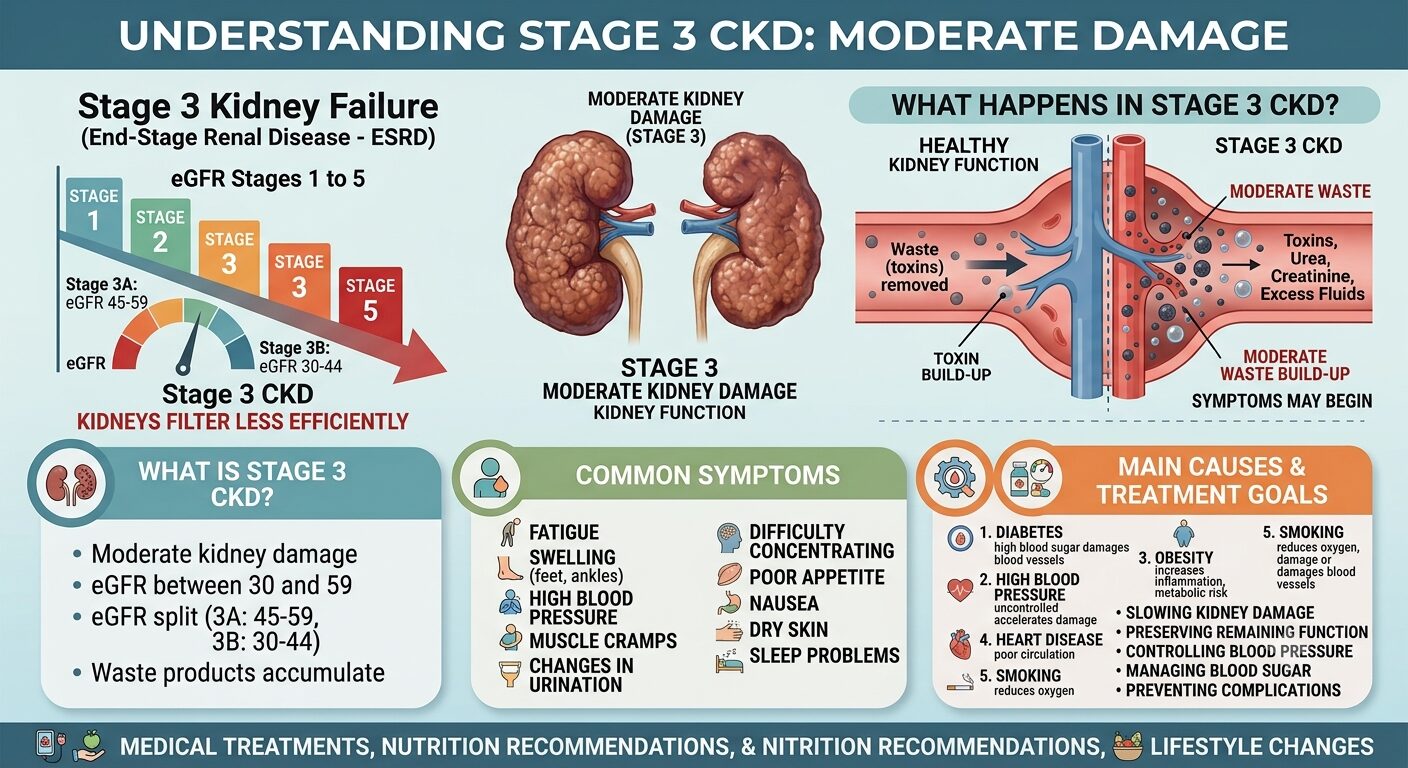
Stage three CKD is considered moderate kidney damage and is divided into:
- Stage 3A: eGFR between 45 and 59
- Stage 3B: eGFR between 30 and 44
At this stage, waste products may begin accumulating in the bloodstream, leading to symptoms and increased health risks.
Although stage three CKD is serious, it is often manageable with the right treatment approach.
Common Symptoms of Stage Three CKD
Symptoms vary depending on overall kidney function and health conditions, but common signs may include:
- Fatigue
- Swelling in the feet or ankles
- High blood pressure
- Muscle cramps
- Changes in urination
- Difficulty concentrating
- Poor appetite
- Nausea
- Dry skin
- Sleep problems
These symptoms occur because the kidneys can no longer maintain proper fluid and mineral balance as efficiently as before.
Main Causes of Stage Three Kidney Disease
Several chronic health conditions may contribute to kidney damage.
1. Diabetes
High blood sugar damages the tiny blood vessels inside the kidneys over time.
2. High Blood Pressure
Uncontrolled hypertension increases pressure on kidney tissues and accelerates kidney deterioration.
3. Obesity
Excess body weight increases inflammation and raises the risk of metabolic disorders.
4. Heart Disease
Poor circulation may reduce blood flow to the kidneys.
5. Smoking
Smoking damages blood vessels and reduces kidney oxygen supply.
Understanding the underlying cause is important for creating an effective treatment plan.
Goals of Stage Three Kidney Disease Treatment
The primary goals of treatment include:
- Slowing kidney damage
- Preserving remaining kidney function
- Controlling blood pressure
- Managing blood sugar
- Preventing complications
- Improving quality of life
Early intervention can make a significant difference in long-term outcomes.
Medical Treatments for Stage Three CKD
Blood Pressure Management
Controlling blood pressure is one of the most important parts of CKD treatment.
Doctors often prescribe:
- ACE inhibitors
- Angiotensin receptor blockers (ARBs)
Examples may include:
- Lisinopril
- Losartan
- Valsartan
These medications may help reduce kidney stress and decrease protein leakage in urine.
Diabetes Management
For diabetic patients, stable blood sugar levels are essential for slowing kidney damage.
Treatment may include:
- Insulin therapy
- Blood sugar monitoring
- Diabetes medications
- Dietary adjustments
Cholesterol Management
Stage three CKD increases the risk of cardiovascular disease. Some patients may require cholesterol-lowering medications to support heart health.
Treatment for Anemia
CKD may reduce the production of erythropoietin, a hormone that helps create red blood cells.
Treatment options may include:
- Iron supplements
- Vitamin support
- Medications to stimulate red blood cell production
Routine Kidney Monitoring
Doctors may recommend:
- eGFR testing
- Urine protein testing
- Blood pressure monitoring
- Electrolyte testing
Regular monitoring helps detect complications early and allows adjustments to treatment plans.
Importance of a Kidney-Friendly Diet
Nutrition plays a major role in stage three kidney disease treatment. A healthy eating plan may reduce kidney workload and improve overall wellness.
Reduce Sodium Intake
Too much sodium may increase blood pressure and fluid retention.
Foods to limit include:
- Fast food
- Processed meats
- Salty snacks
- Frozen meals
- Canned soups
Fresh home-cooked meals are often healthier choices.
Moderate Protein Consumption
Protein is important for muscle health, but excessive amounts may increase kidney stress.
Healthier protein sources include:
- Fish
- Chicken
- Egg whites
- Turkey
- Plant-based proteins
Balanced portions are important for kidney protection.
Monitor Potassium Intake
Some stage three CKD patients may need to limit potassium depending on blood test results.
High-potassium foods may include:
- Bananas
- Potatoes
- Tomatoes
- Spinach
- Oranges
Limit Phosphorus
Damaged kidneys may struggle to remove excess phosphorus efficiently.
Foods high in phosphorus may include:
- Cola drinks
- Processed cheese
- Organ meats
- Packaged baked goods
Best Foods for Stage Three CKD
Certain foods may support kidney and cardiovascular health.
Kidney-Friendly Fruits
- Apples
- Blueberries
- Strawberries
- Grapes
- Pineapple
Low-Sodium Vegetables
- Cauliflower
- Cabbage
- Bell peppers
- Cucumbers
- Green beans
Healthy Fats
- Olive oil
- Walnuts
- Flaxseeds
- Chia seeds
These foods contain antioxidants and anti-inflammatory nutrients that support overall wellness.
Hydration and Kidney Health
Proper hydration supports healthy circulation and waste removal. However, some CKD patients may need fluid restrictions if swelling or fluid retention becomes severe.
Helpful hydration tips include:
- Drink water consistently
- Avoid sugary beverages
- Limit soda intake
- Reduce alcohol consumption
Always follow your healthcare provider’s recommendations regarding fluid intake.
Exercise and Physical Activity
Regular exercise may support:
- Blood pressure control
- Weight management
- Better circulation
- Improved energy levels
Recommended activities include:
- Walking
- Swimming
- Yoga
- Cycling
Even moderate physical activity may improve overall kidney and heart health.
Maintain a Healthy Weight
Maintaining a healthy weight reduces kidney strain and lowers the risk of diabetes and hypertension.
Healthy habits include:
- Portion control
- Balanced meals
- Regular exercise
- Reducing processed foods
Small lifestyle changes can provide long-term health benefits.
Improve Sleep Quality
Poor sleep may worsen inflammation and cardiovascular problems.
Healthy sleep habits include:
- Maintaining a regular bedtime
- Limiting screen time before sleep
- Avoiding caffeine late in the day
- Creating a comfortable sleeping environment
Good sleep supports overall wellness and recovery.
Reduce Stress Naturally
Chronic stress may negatively affect blood pressure and inflammation.
Helpful stress-management strategies include:
- Meditation
- Deep breathing exercises
- Journaling
- Prayer
- Spending time outdoors
Mental wellness is an important part of chronic disease management.
Avoid Smoking and Excess Alcohol
Smoking damages blood vessels and accelerates kidney deterioration. Excess alcohol may worsen dehydration and blood pressure problems.
Quitting smoking and reducing alcohol intake may help support kidney function.
Can Natural Supplements Support Kidney Health?
Many people with stage three CKD explore natural ways to support kidney health alongside medical treatment. While supplements cannot cure chronic kidney disease, some kidney support formulas may provide antioxidant and nutritional support when combined with healthy lifestyle habits.
It is important to choose supplements carefully because some ingredients may not be suitable for individuals with kidney disease.
If you are interested in learning more about a natural kidney support formula designed to complement healthy kidney function, you can explore additional information here:
👉 Discover a Natural Kidney Support Formula for Stage Three CKD
Potential Complications of Stage Three CKD
Without proper treatment, stage three kidney disease may progress and lead to complications such as:
- High blood pressure
- Heart disease
- Anemia
- Bone disorders
- Electrolyte imbalances
- Kidney failure
Early intervention significantly reduces these risks.
Sample Daily Meal Plan for Stage Three CKD
Breakfast
- Oatmeal with blueberries
- Egg white omelet
- Herbal tea
Snack
- Apple slices
- Unsalted crackers
Lunch
- Grilled chicken salad with olive oil dressing
- White rice
- Cucumber slices
Snack
- Strawberries
- Rice cakes
Dinner
- Baked salmon
- Steamed cauliflower
- Green beans
Evening
- Water or low-sugar cranberry juice
This meal plan focuses on balanced nutrition while reducing kidney stress.
When to Seek Medical Attention
Contact your healthcare provider if you experience:
- Severe swelling
- Chest pain
- Difficulty breathing
- Sudden urination changes
- Persistent nausea
- Extreme fatigue
Regular follow-up appointments are essential for monitoring kidney function and adjusting treatment plans.
Final Thoughts
The best stage three kidney disease treatment combines medical care, proper nutrition, exercise, hydration, and healthy lifestyle changes. Although CKD is a chronic condition, many patients can slow disease progression and maintain a better quality of life through consistent management.
Managing blood pressure, controlling blood sugar, following a kidney-friendly diet, staying physically active, and avoiding harmful habits are all important steps for protecting kidney health.
Many individuals also explore natural kidney support options to complement their healthy routine. If you would like to learn more about a natural kidney wellness formula designed to support healthy kidney function, visit the link below:
👉 Learn More About Natural Kidney Health Support Here
Always consult your healthcare provider before starting any supplement, dietary change, or alternative treatment approach, especially if you have chronic kidney disease or other medical conditions.

CKD Online Editorial Team reviews all medical content to ensure accuracy, clarity, and alignment with current clinical guidelines. Articles are updated regularly to reflect the latest evidence-based recommendations.