CKD Online Editorial Team
Last Updated: June 1, 2026 • Reading Time: 6 min
Understanding Stage 3B CKD and How to Protect Your Kidney Function
Being diagnosed with stage 3B CKD can feel overwhelming. Many people immediately begin searching for answers about symptoms, treatment options, life expectancy, and whether kidney function can improve. The good news is that stage 3B chronic kidney disease does not automatically mean kidney failure is inevitable.
With proper medical care, healthy lifestyle changes, and early intervention, many individuals are able to slow disease progression and maintain their quality of life for years.
In this guide, you’ll learn everything you need to know about stage 3B CKD, including symptoms, causes, diet recommendations, treatment strategies, and practical ways to support kidney health.
What Is Stage 3B CKD?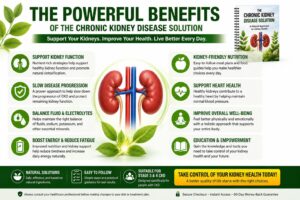
Stage 3B CKD (Chronic Kidney Disease) is a moderate-to-severe reduction in kidney function. It is diagnosed when the estimated glomerular filtration rate (eGFR) falls between 30 and 44 for at least three months. At this stage, the kidneys are functioning at roughly 30–44% of normal capacity.
The kidneys remain capable of filtering waste products from the blood, but their efficiency has significantly declined. Waste buildup, fluid imbalances, and complications become more likely as kidney function decreases.
Common Causes of Stage 3B CKD
Several health conditions can contribute to kidney damage over time.
Diabetes
High blood sugar levels can damage the tiny blood vessels inside the kidneys, reducing their ability to filter waste effectively.
High Blood Pressure
Uncontrolled hypertension places continuous stress on the kidneys and is one of the leading causes of chronic kidney disease.
Heart Disease
Cardiovascular disease and kidney disease are closely connected. Poor circulation can negatively affect kidney function.
Family History
Genetics may increase the risk of developing CKD, particularly when close relatives have kidney-related conditions.
Obesity and Lifestyle Factors
Poor dietary habits, smoking, lack of exercise, and chronic inflammation can contribute to kidney damage over time.
Symptoms of Stage 3B CKD
Many people do not notice symptoms during the early stages of kidney disease. However, symptoms often become more noticeable during stage 3B.
Common symptoms include:
- Persistent fatigue
- Swelling in the feet, ankles, or legs
- Frequent urination
- Dry or itchy skin
- Muscle cramps
- Nausea
- Loss of appetite
- Difficulty concentrating
- Shortness of breath
- Sleep disturbances
- High blood pressure
These symptoms occur because the kidneys are no longer removing waste products and balancing fluids as efficiently as they should.
Is Stage 3B CKD Serious?
Yes, stage 3B CKD is considered a serious medical condition because kidney function has already declined significantly.
However, it is important to understand that stage 3B is not kidney failure.
Many individuals live for years or even decades with stage 3B CKD when the condition is properly managed. The key is identifying risk factors early and taking action to slow progression.
Can Stage 3B CKD Be Reversed?
Current medical evidence indicates that chronic kidney damage is generally not reversible once it has occurred.
However, that does not mean the condition cannot improve in meaningful ways.
Many people are able to:
- Slow disease progression
- Stabilize eGFR levels
- Improve blood pressure control
- Reduce protein leakage in urine
- Improve energy levels
- Enhance overall quality of life
The goal is often preserving remaining kidney function rather than completely reversing damage.
Stage 3B CKD Treatment Options
Treatment depends on the underlying cause of kidney disease and the individual’s overall health status.
Blood Pressure Management
Doctors often prescribe medications such as ACE inhibitors or ARBs to help protect kidney function and control blood pressure.
Diabetes Control
For people with diabetes, maintaining healthy blood sugar levels is critical for slowing kidney damage.
Monitoring Kidney Function
Regular testing may include:
- eGFR
- Creatinine
- Urine albumin
- Potassium
- Phosphorus
- Blood pressure
Frequent monitoring allows healthcare providers to detect changes before complications become severe.
Lifestyle Changes
Lifestyle improvements remain one of the most important components of long-term kidney care.
Best Diet for Stage 3B CKD
Nutrition plays a major role in kidney health.
Many nephrologists recommend a kidney-friendly eating plan designed to reduce stress on the kidneys.
Foods That May Help Support Kidney Health
- Fresh vegetables
- Berries
- Apples
- Cauliflower
- Cabbage
- Bell peppers
- Garlic
- Olive oil
- Fish rich in omega-3 fatty acids
Foods Often Limited in CKD
Depending on laboratory results and physician recommendations, some people may need to limit:
- Sodium
- Excess protein
- Processed foods
- High-phosphorus foods
- Certain high-potassium foods
Diet recommendations should always be personalized based on blood work and professional medical advice.
How Fast Does Stage 3B CKD Progress?
Progression varies significantly between individuals.
Factors that may accelerate kidney decline include:
- Poor blood pressure control
- Uncontrolled diabetes
- Smoking
- Obesity
- Chronic inflammation
- Frequent use of NSAID medications
Some individuals remain stable for many years, while others progress more rapidly depending on their underlying health conditions.
Warning Signs Stage 3B CKD Is Getting Worse
Contact a healthcare professional if you notice:
- Increasing swelling
- Persistent nausea
- Severe fatigue
- Shortness of breath
- Significant changes in urination
- Confusion
- Elevated blood pressure
Early medical intervention may help prevent complications and slow disease progression.
Lifestyle Habits That May Help Slow CKD Progression
Exercise Regularly
Moderate physical activity may help improve cardiovascular health and blood pressure control.
Quit Smoking
Smoking has been linked to faster progression of kidney disease and increased cardiovascular risk.
Reduce Sodium Intake
Lower sodium consumption may help manage blood pressure and reduce fluid retention.
Maintain a Healthy Weight
Weight management can improve multiple risk factors associated with kidney disease.
Get Adequate Sleep
Poor sleep may increase inflammation and negatively affect overall health.
What People With Stage 3B CKD Say About Managing the Condition
Many individuals living with stage 3B CKD report that dietary changes, regular monitoring, and close communication with healthcare providers help them feel more in control of their condition.
Discussions within kidney disease communities frequently emphasize:
- Reducing sodium intake
- Avoiding unnecessary NSAID use
- Keeping a food diary
- Following individualized nutrition plans
- Working closely with nephrologists and dietitians
Patients often note that small lifestyle improvements can make a meaningful difference over time.
A Natural Approach to Supporting Kidney Health
Many people diagnosed with stage 3B CKD begin looking for additional educational resources to better understand nutrition, kidney-friendly foods, and lifestyle habits that may support long-term kidney wellness.
One popular resource is the Chronic Kidney Disease Solution program, which provides information on:
- Kidney-supportive nutrition
- Lifestyle strategies
- Healthy meal planning
- Natural wellness approaches
- Educational kidney health guidance
While educational programs should never replace medical treatment, many people find structured guidance helpful when building healthier daily habits.
Learn More About the Chronic Kidney Disease Solution Program
If you’d like to explore a comprehensive guide focused on kidney-supportive lifestyle strategies, you can learn more here:
👉 Discover the Program Here:
https://e881bfebau9t3tevl7sdiszy1b.hop.clickbank.net
Final Thoughts
A diagnosis of stage 3B CKD is serious, but it does not mean kidney failure is inevitable. Many individuals successfully slow disease progression through a combination of medical treatment, healthy nutrition, regular monitoring, and lifestyle improvements.
The earlier you take action, the greater your opportunity to protect remaining kidney function and improve overall health.
Focus on consistent daily habits, work closely with your healthcare team, and continue learning about strategies that support long-term kidney wellness.

CKD Online Editorial Team reviews all medical content to ensure accuracy, clarity, and alignment with current clinical guidelines. Articles are updated regularly to reflect the latest evidence-based recommendations.