CKD Online Editorial Team
Last Updated: June 1, 2026 • Reading Time: 7 min
What Is Chronic Kidney Disease Stage 3B?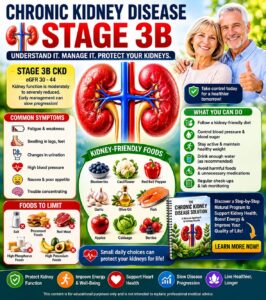
Chronic Kidney Disease Stage 3B (CKD Stage 3B) is a moderate to severe stage of kidney disease where kidney function has declined significantly but has not yet reached kidney failure. At this stage, the estimated glomerular filtration rate (eGFR) typically falls between 30 and 44 mL/min/1.73m².
The kidneys remain capable of filtering waste products from the bloodstream, but their efficiency is substantially reduced. As a result, toxins, excess fluids, and metabolic waste may begin accumulating in the body.
Millions of people worldwide are diagnosed with CKD every year, and many first learn about their condition during Stage 3B. Fortunately, with proper management, many individuals can slow progression and maintain their quality of life for years.
Understanding Kidney Function
Healthy kidneys perform several vital functions:
- Filter waste from the blood
- Balance body fluids
- Control blood pressure
- Produce hormones that support red blood cell production
- Maintain healthy electrolyte levels
- Support bone health
When kidney function declines during chronic kidney disease stage 3B, these processes become less efficient, increasing the risk of complications.
What Causes Chronic Kidney Disease Stage 3B?
Several underlying conditions can contribute to CKD.
Diabetes
Diabetes remains the leading cause of chronic kidney disease. Elevated blood sugar levels can damage the tiny blood vessels inside the kidneys over time.
High Blood Pressure
Uncontrolled hypertension places continuous strain on kidney tissues and can accelerate kidney damage.
Cardiovascular Disease
Heart disease and kidney disease are closely connected. Poor circulation can reduce blood flow to the kidneys and impair their function.
Obesity
Excess body weight increases inflammation and raises the risk of both diabetes and hypertension.
Family History
Individuals with a family history of kidney disease may have a greater risk of developing CKD.
Smoking
Smoking damages blood vessels and reduces oxygen delivery throughout the body, including the kidneys.
Symptoms of Chronic Kidney Disease Stage 3B
Many people experience few symptoms in the early stages of kidney disease. However, symptoms often become more noticeable during Stage 3B.
Common symptoms include:
Fatigue
Reduced kidney function can lead to toxin buildup, causing persistent tiredness and low energy levels.
Swelling
Fluid retention may result in swelling of the feet, ankles, legs, or hands.
Changes in Urination
Some individuals experience:
- Increased urination
- Decreased urination
- Foamy urine
- Dark-colored urine
High Blood Pressure
Kidney disease and hypertension often worsen one another.
Difficulty Concentrating
Waste accumulation in the bloodstream may affect mental clarity and focus.
Muscle Cramps
Electrolyte imbalances can contribute to frequent cramping.
Loss of Appetite
Many CKD patients report reduced appetite and occasional nausea.
Is Chronic Kidney Disease Stage 3B Serious?
Yes, Stage 3B CKD is considered a serious condition because approximately half of normal kidney function has already been lost.
However, it is important to understand that Stage 3B is not kidney failure.
Many patients remain stable for years when they:
- Follow medical advice
- Control blood pressure
- Manage diabetes
- Follow a kidney-friendly diet
- Avoid harmful medications
- Maintain healthy lifestyle habits
Early intervention often makes a significant difference in long-term outcomes.
Can Chronic Kidney Disease Stage 3B Be Reversed?
Current medical evidence suggests that permanent kidney damage generally cannot be completely reversed.
However, many patients can:
- Slow disease progression
- Stabilize kidney function
- Improve blood pressure control
- Reduce inflammation
- Improve energy levels
- Lower cardiovascular risk
The primary goal is preserving remaining kidney function for as long as possible.
Best Diet for Chronic Kidney Disease Stage 3B
Diet is one of the most important tools for managing CKD.
Foods That May Support Kidney Health
Many kidney specialists recommend focusing on:
- Apples
- Blueberries
- Strawberries
- Cabbage
- Cauliflower
- Garlic
- Olive oil
- Fish rich in omega-3 fatty acids
- Egg whites
- Red bell peppers
Foods Often Limited
Depending on laboratory results, patients may need to reduce:
- Sodium
- Processed foods
- Excess protein
- High-phosphorus foods
- Certain high-potassium foods
Every patient is different, so dietary recommendations should be personalized by a healthcare professional.
How to Slow the Progression of CKD Stage 3B
Many individuals successfully slow kidney decline through consistent lifestyle changes.
Control Blood Pressure
Maintaining healthy blood pressure is one of the most effective ways to protect kidney function.
Manage Blood Sugar
For diabetics, proper glucose control is essential.
Stay Active
Regular physical activity may help:
- Improve circulation
- Support heart health
- Maintain healthy weight
- Reduce inflammation
Stop Smoking
Smoking is associated with faster progression of kidney disease.
Stay Hydrated
Proper hydration supports overall health, although fluid intake recommendations should be discussed with a healthcare provider.
Get Regular Checkups
Routine monitoring helps identify problems before they become severe.
Chronic Kidney Disease Stage 3B Treatment Options
Treatment plans vary depending on the underlying cause of kidney disease.
Common treatment approaches include:
Blood Pressure Medications
ACE inhibitors and ARBs are commonly prescribed to help protect kidney function.
Diabetes Management
Proper blood sugar control can significantly reduce further kidney damage.
Dietary Counseling
A renal dietitian can help create a personalized meal plan.
Monitoring Lab Values
Doctors typically monitor:
- eGFR
- Creatinine
- Potassium
- Phosphorus
- Urine protein
- Blood pressure
Managing Complications
Treatment may also address:
- Anemia
- Bone health
- Fluid retention
- Electrolyte imbalances
Warning Signs CKD Stage 3B Is Getting Worse
Seek medical attention if you experience:
- Severe swelling
- Shortness of breath
- Persistent nausea
- Extreme fatigue
- Confusion
- Significant changes in urination
- Uncontrolled blood pressure
Prompt treatment may help prevent serious complications.
Natural Lifestyle Strategies for Kidney Support
Many individuals diagnosed with chronic kidney disease stage 3B seek additional educational resources to help support their kidney health.
Some natural strategies commonly discussed include:
- Following a kidney-friendly meal plan
- Maintaining a healthy body weight
- Reducing processed foods
- Supporting cardiovascular health
- Managing stress levels
- Improving sleep quality
- Staying physically active
These habits may complement conventional medical care and help improve overall well-being.
A Popular Educational Resource for CKD Patients
Many people living with chronic kidney disease stage 3B look for practical guidance on nutrition, meal planning, and lifestyle changes.
One resource that has gained popularity among kidney health communities is the Chronic Kidney Disease Solution Program.
The program focuses on:
- Kidney-friendly nutrition
- Healthy lifestyle strategies
- Natural wellness education
- Practical daily habits
- Meal planning guidance
If you’d like to learn more about this kidney-support education program, you can explore it here:
👉 Learn More About The Chronic Kidney Disease Solution Program
https://5185bdfbg-2pds73qhpkmm6s77.hop.clickbank.net
Frequently Asked Questions
What is the life expectancy for chronic kidney disease stage 3B?
Life expectancy varies greatly depending on age, overall health, diabetes control, blood pressure management, and lifestyle factors. Many people live for decades with Stage 3B CKD.
Can I avoid dialysis with Stage 3B CKD?
Many patients never require dialysis if kidney function remains stable and progression is effectively managed.
Is exercise safe with Stage 3B CKD?
In most cases, moderate exercise is beneficial. Always consult your healthcare provider before starting a new exercise program.
What is the most important thing I can do?
Controlling blood pressure, managing diabetes, following a kidney-friendly diet, and attending regular medical appointments are among the most effective strategies.
Final Thoughts
A diagnosis of chronic kidney disease stage 3B can be challenging, but it does not mean kidney failure is inevitable. With proper medical care, healthy nutrition, regular monitoring, and positive lifestyle changes, many individuals successfully maintain kidney function and enjoy a good quality of life for many years.
Taking action today can help protect your kidneys tomorrow. By learning more about kidney-friendly nutrition, healthy habits, and supportive lifestyle strategies, you can play an active role in managing your condition and improving your overall well-being.

CKD Online Editorial Team reviews all medical content to ensure accuracy, clarity, and alignment with current clinical guidelines. Articles are updated regularly to reflect the latest evidence-based recommendations.