CKD Online Editorial Team
Last Updated: August 6, 2026 • Reading Time: 7 min
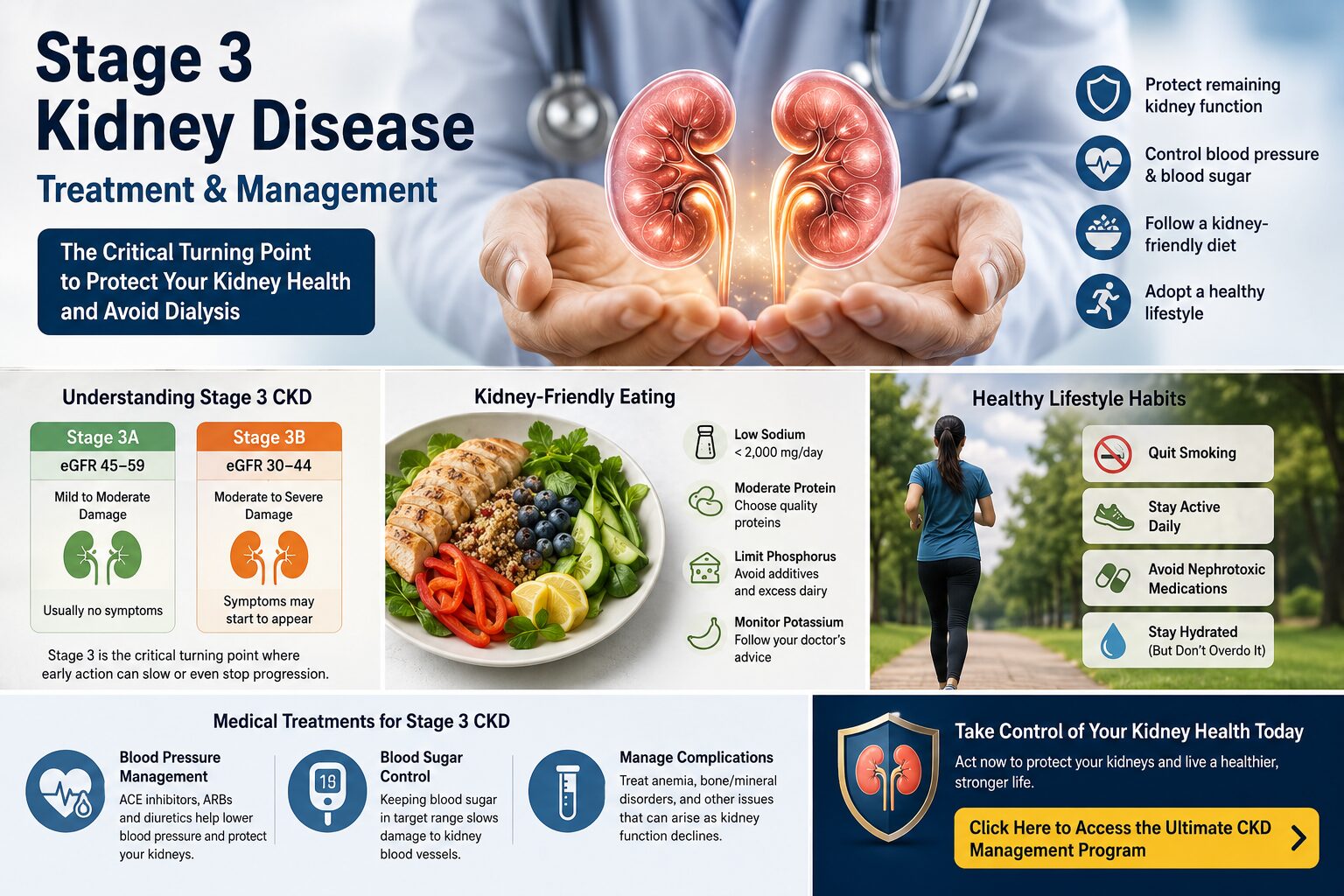
Chronic Kidney Disease (CKD) is a progressive condition categorized into five distinct stages, measured by how effectively your kidneys filter waste from your blood. Among these phases, Stage 3 kidney disease is widely considered the most critical “turning point.”
At this stage, your kidneys have suffered moderate damage, and their functionality drops to between 30% and 59%. However, the defining characteristic of Stage 3 is that it represents a vital window of opportunity. With the right stage 3 kidney disease treatment plan, lifestyle overhauls, and targeted nutritional interventions, it is entirely possible to halt the disease in its tracks, preserve your remaining kidney function, and completely avoid the need for dialysis or a kidney transplant.
Recommended Kidney Wellness Resource: Many people with Stage 3 CKD also explore evidence-informed nutrition and lifestyle education programs to complement their medical care. 👉 Learn More Here
 Understanding Stage 3 Kidney Disease: The Critical Turning Point
Stage 3 CKD is uniquely divided into two sub-stages based on your eGFR (estimated Glomerular Filtration Rate), which measures how many milliliters of waste your kidneys can filter per minute:
-
Stage 3A (Mild to Moderate Damage): An eGFR between 45 and 59. Many individuals at this substage experience no noticeable physical symptoms, making routine blood work essential for detection.
-
Stage 3B (Moderate to Severe Damage): An eGFR between 30 and 44. At this point, waste products begin accumulating more aggressively, and physical signs often start to surface.
Because the kidneys are working harder to keep up, patients may begin noticing subtle warning signs such as chronic fatigue, mild swelling (edema) in the feet or ankles, changes in the color or frequency of urination, and persistent high blood pressure.
The good news? The kidneys still possess enough functional tissue at Stage 3 to maintain bodily harmony if given the right support. A comprehensive stage 3 kidney disease treatment strategy focuses heavily on protecting these surviving nephrons from further harm.(stage 3 kidney disease treatment)
Helpful Guide: If you’re looking for practical kidney-friendly meal planning, hydration tips, and healthy daily habits, explore this comprehensive kidney wellness program. Learn More →
 Medical Treatments for Stage 3 Kidney Disease
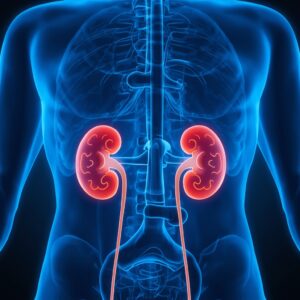
Medical intervention at this stage does not cure the kidneys, but it manages the root causes of renal damage—primarily diabetes and high blood pressure—to prevent the condition from dropping into Stage 4 or 5.
1. Blood Pressure Management
High blood pressure is both a primary cause and a direct consequence of kidney disease. Keeping your blood pressure under strict control lowers the mechanical pressure inside the kidney’s delicate filtering units.
-
ACE Inhibitors and ARBs: Medications like Lisinopril or Losartan are frequently prescribed as a frontline stage 3 kidney disease treatment. Not only do they lower systemic blood pressure, but they specifically reduce stress on the kidneys and slow down protein leakage (proteinuria).
-
Diuretics: Often called “water pills,” these help your body eliminate excess fluid and sodium, reducing swelling and further lowering blood pressure.
- Recommended Home Monitor: Tracking your blood pressure at home can help you and your healthcare provider better manage Stage 3 CKD. Check Today’s Price on Amazon →
2. Blood Sugar Control
For individuals whose CKD is driven by diabetes, keeping blood glucose levels within a target range is paramount. High blood sugar damages the blood vessels inside the kidneys over time. Doctors may prescribe traditional medications or newer classes of drugs like SGLT2 inhibitors, which have shown remarkable success in protecting renal function alongside blood sugar management.
Helpful Diabetes Tool: Regular blood sugar monitoring may support better diabetes management as part of your overall kidney care plan. View on Amazon →
3. Monitoring and Managing Complications
As kidney function drops, secondary complications can arise. Medical treatments may also target:
-
Anemia: Kidneys produce erythropoietin (EPO), a hormone that signals the body to make red blood cells. If production drops, iron supplements or hormone-stimulating medications may be introduced.
-
Bone and Mineral Disorders: If phosphorus levels rise or calcium levels drop, doctors may recommend specific dietary restrictions or phosphate binders.(stage 3 kidney disease treatment)
Dietary Interventions: The Foundation of Kidney Protection
While pharmaceutical treatments are vital, medication alone is rarely enough. What you put on your plate acts as a daily form of therapy. A carefully customized renal diet reduces the metabolic workload placed on your remaining kidney filters.
| Nutrient | Why It Matters in Stage 3 | Dietary Strategy |
| Sodium | Causes fluid retention and drives up blood pressure. | Limit to less than 2,000 mg per day; avoid processed foods and table salt. |
| Protein | Processing protein creates a waste product called urea, which the kidneys must filter. | Switch to moderate or controlled protein intake, prioritizing high-quality, plant-based or lean proteins. |
| Phosphorus | Excess phosphorus builds up when kidneys fail, pulling calcium from your bones. | Limit dairy, dark colas, and foods with artificial phosphate additives. |
| Potassium | Essential for heart health, but levels can fluctuate dangerously in advanced Stage 3. | Monitor blood work; reduce high-potassium foods (like bananas and potatoes) only if advised by a doctor. |
 Kidney-Friendly Recipes: A well-planned renal diet can make healthy eating easier. Explore this kidney-friendly cookbook for practical recipes and meal ideas. View on Amazon →
Lifestyle Modifications to Support Renal Health
To maximize the effectiveness of your stage 3 kidney disease treatment, positive daily habits must be integrated into your routine:
-
Quit Smoking: Smoking severely restricts blood flow to vital organs, including the kidneys. Quitting is one of the fastest ways to improve vascular health.
-
Stay Active: Moderate exercise, such as walking, cycling, or swimming for 30 minutes a day, helps control blood pressure, improves insulin sensitivity, and boosts overall energy.
- Track Your Progress: Monitoring your daily activity can help you stay motivated and maintain healthy lifestyle habits. View on Amazon →
-
Avoid Nephrotoxic Medications: Over-the-counter Painkillers known as NSAIDs (Non-Steroidal Anti-Inflammatory Drugs), such as ibuprofen, naproxen, and high-dose aspirin, are directly toxic to compromised kidneys. Opt for kidney-safe alternatives under medical supervision.
-
Maintain Healthy Hydration: Drink water throughout the day, but avoid over-hydration or severe dehydration, both of which strain the kidneys.(stage 3 kidney disease treatment)
- Stay Hydrated: A reusable insulated water bottle can help you build a consistent hydration routine throughout the day. See on Amazon →
 Taking Proactive Control of Your CKD Journey
Receiving a Stage 3 kidney disease diagnosis can undoubtedly feel overwhelming, but it is crucial to reframe this diagnosis not as a life sentence, but as an urgent wake-up call. Because your kidneys are still operating at a functional level, the choices you make right now will dictate your health outcomes for years to come.
Many patients feel frustrated by standard approaches that simply tell them to “wait and see” while monitoring their declining lab numbers. However, you do not have to take a passive approach to your health. By pairing your doctor’s medical advice with a highly targeted, scientifically validated kidney protocol, you can actively reverse common complications, optimize your daily energy, and provide your renal system with the specific cellular support it needs to thrive.
Natural Kidney Wellness: Explore a step-by-step educational program covering kidney-friendly nutrition, hydration strategies, and healthy lifestyle habits designed to complement professional medical care. Learn More Here →
If you are looking for a complete, step-by-step roadmap designed to optimize your renal diet, naturally lower your creatinine levels, and reverse the damaging habits dragging down your eGFR, a dedicated holistic solution can help guide your path.
🛡️ Protect Your Renal Health Before It’s Too Late
Stage 3 is your golden window to act. Do not wait for your kidney function to decline into Stage 4 or complete kidney failure. Empower your body with the nutritional strategies and specialized protocols it needs to reverse complications and maintain long-term vitality.
👉 Click Here to Access the Ultimate CKD Management Program and Reverse Kidney Damage Today
Key Takeaways for Stage 3 CKD Patients
Managing Stage 3 chronic kidney disease requires a multi-faceted approach. By keeping the following core principles in mind, you can confidently navigate your treatment plan:
-
Be Regular with Lab Work: Track your eGFR, creatinine, and microalbuminuria levels closely to catch any changes early.
-
Partner with a Nephrologist: If you have haven’t already, transition your care or add a kidney specialist to your medical team alongside your primary care physician.
-
Consistency is Key: A kidney-friendly lifestyle requires everyday commitment. Small, steady adjustments to your sodium intake, hydration, and blood pressure management compound into massive protection over time.
By embracing an active, informed approach to your stage 3 kidney disease treatment, you can protect your longevity, improve your daily physical well-being, and look forward to a healthy future (stage 3 kidney disease treatment)
Stage 3 kidney disease life expectancy

CKD Online Editorial Team reviews all medical content to ensure accuracy, clarity, and alignment with current clinical guidelines. Articles are updated regularly to reflect the latest evidence-based recommendations.