
CKD Online Editorial Team
Last Updated: September 1, 2026 • Reading Time: 15 min
Introduction
Being diagnosed with Stage 3 chronic kidney disease (CKD) can raise many questions, especially if you are beginning to notice changes in your health. While some people experience noticeable symptoms, others may feel completely well and only discover the condition during routine blood or urine tests.
Stage 3 CKD represents a moderate reduction in kidney function. At this stage, the kidneys are still able to perform many of their essential jobs, but they become less efficient at removing waste products and maintaining the body’s fluid and mineral balance. As a result, symptoms may gradually develop over time.
Recognizing the early warning signs of Stage 3 kidney disease is important because timely medical care and healthy lifestyle changes may help slow disease progression, reduce complications, and preserve kidney function.
Recommended Resources for Kidney Health:
-
Digital Guide (ClickBank): Discover holistic step-by-step protocols and renal-friendly meal plans with the Kidney Disease Solution — a comprehensive natural program designed to support kidney function.
-
Daily Monitoring (Amazon): Managing blood pressure is vital for CKD. Keep track of your readings at home accurately with the top-rated Omron Upper Arm Blood Pressure Monitor.
In this guide, you’ll learn about the most common Stage 3 kidney disease symptoms, why they occur, when to seek medical attention, and how proper treatment can help you manage CKD more effectively.
 Quick Summary
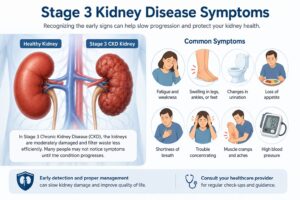
The most common Stage 3 kidney disease symptoms include:
✔ Fatigue and low energy
✔ Swelling in the feet, ankles, or hands
✔ Changes in urination
✔ High blood pressure
✔ Muscle cramps
✔ Dry and itchy skin
✔ Difficulty concentrating
✔ Poor appetite
✔ Sleep problems
✔ Mild anemia
Although some people develop these symptoms, many individuals with Stage 3 CKD have no noticeable signs until kidney function declines further. Regular blood and urine tests remain the most reliable way to detect chronic kidney disease early.
Table of Contents
- What Is Stage 3 Kidney Disease?
- Why Do Symptoms Develop?
- Early Symptoms of Stage 3 Kidney Disease
- Changes in Urination
- Fatigue and Weakness
- Swelling (Edema)
- High Blood Pressure
- Muscle Cramps
- Dry and Itchy Skin
- Trouble Sleeping
- Poor Appetite
- Symptoms in Stage 3A vs Stage 3B
- Symptoms in Older Adults
- When Should You See a Healthcare Provider?
- How Stage 3 CKD Is Diagnosed
- Treatment Options
- Frequently Asked Questions
- Key Takeaways
 What Is Stage 3 Kidney Disease?
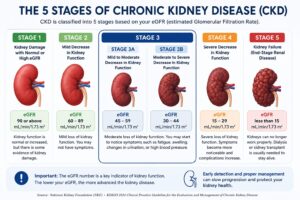
Stage 3 chronic kidney disease occurs when the kidneys lose a moderate amount of their filtering ability. Healthcare providers measure kidney function using the estimated glomerular filtration rate (eGFR), which estimates how effectively the kidneys remove waste products from the blood.
Stage 3 CKD is divided into two sub-stages:
Stage 3A
- eGFR between 45 and 59 mL/min/1.73 m²
- Kidney damage is considered mild to moderate.
- Many people have few or no symptoms at this stage.
Stage 3B
- eGFR between 30 and 44 mL/min/1.73 m²
- Kidney function has declined further.
- Symptoms and complications become more common.
Although kidney damage at Stage 3 is generally permanent, early diagnosis and proper management may help slow progression and reduce the risk of developing advanced kidney disease.
Why Do Stage 3 Kidney Disease Symptoms Develop?
Healthy kidneys continuously filter waste products, balance electrolytes, regulate blood pressure, support red blood cell production, and help maintain healthy bones.
As kidney function declines during Stage 3 CKD, these processes become less efficient. Waste products and excess fluids may begin to build up in the body, leading to symptoms that can vary from one person to another.
Several factors influence whether symptoms appear, including:
- The underlying cause of CKD
- Age
- Diabetes
- High blood pressure
- Heart disease
- Overall health
- Lifestyle habits
- How quickly kidney function is declining
For this reason, two people with the same eGFR may experience very different symptoms
 Early Symptoms of Stage 3 Kidney Disease
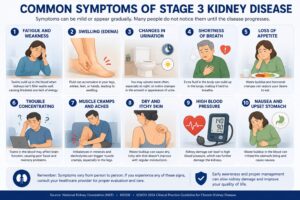
One of the challenges of Stage 3 chronic kidney disease is that symptoms often develop gradually. Many people do not notice any warning signs until kidney function has declined significantly, while others may experience mild symptoms that are easy to mistake for normal aging or other health conditions.
Below are the most common symptoms associated with Stage 3 CKD and why they occur.
1. Fatigue and Low Energy
Persistent fatigue is one of the most common symptoms of Stage 3 kidney disease.
Healthy kidneys produce a hormone called erythropoietin (EPO), which helps the body make red blood cells. As kidney function declines, the kidneys may produce less EPO, increasing the risk of anemia. Fewer red blood cells mean less oxygen is delivered throughout the body, often resulting in fatigue and weakness.
People with Stage 3 CKD may notice:
- Feeling tired even after a full night’s sleep
- Reduced physical stamina
- Difficulty completing daily activities
- Lack of motivation
- Feeling exhausted after light exercise
Fatigue can also be caused by poor sleep, medication side effects, or the buildup of waste products in the bloodstream.
2. Changes in Urination
Changes in urination are often among the earliest signs of kidney disease.
Although urine output may remain normal in many people with Stage 3 CKD, some individuals notice differences in how often they urinate or the appearance of their urine.
Possible changes include:
- Urinating more frequently, especially at night
- Urinating less than usual
- Foamy urine
- Dark-colored urine
- Blood in the urine
- Difficulty urinating
These changes may indicate reduced kidney function or protein leaking into the urine.
If you notice blood in your urine or a sudden decrease in urine output, contact your healthcare provider promptly.
 3. Swelling (Edema)
Healthy kidneys help remove excess fluid from the body. When kidney function declines, fluid may begin to accumulate in the tissues.
This can lead to swelling, also known as edema.
Common areas affected include:
- Feet
- Ankles
- Lower legs
- Hands
- Face
Swelling often becomes more noticeable later in the day or after sitting or standing for long periods.
Severe or rapidly worsening swelling should always be evaluated by a healthcare provider.
4. High Blood Pressure
High blood pressure and chronic kidney disease often influence one another.
Uncontrolled hypertension can damage the kidneys, while reduced kidney function can make blood pressure more difficult to control.
Many people with Stage 3 CKD have no symptoms of high blood pressure until it becomes severe.
Possible warning signs include:
- Headaches
- Blurred vision
- Dizziness
- Shortness of breath
- Nosebleeds (less common)
Because high blood pressure often causes no noticeable symptoms, regular monitoring is essential.
Amazon Tool: Managing blood pressure is a top priority. Using an at-home cuff like the Omron Silver Blood Pressure Monitor makes daily tracking effortless.
 5. Muscle Cramps
Many people with Stage 3 CKD experience muscle cramps, particularly at night.
Possible causes include:
- Electrolyte imbalances
- Changes in calcium levels
- Magnesium imbalance
- Dehydration
- Poor circulation
Muscle cramps most commonly affect:
- Calves
- Feet
- Toes
If cramps become frequent or severe, your healthcare provider may recommend additional testing to identify the underlying cause.
6. Dry and Itchy Skin
Healthy kidneys help maintain the proper balance of minerals and nutrients in the body.
As kidney function declines, some people develop dry, rough, or itchy skin.
Amazon Solution: For dry skin relief without harsh chemicals, doctors often recommend fragrance-free lotions like CeraVe Moisturizing Cream.
Possible causes include:
- Mineral imbalances
- Dry skin
- Reduced sweat gland activity
- High phosphorus levels in later stages of CKD
Keeping the skin moisturized and discussing persistent itching with your healthcare provider may help improve comfort.
7. Poor Appetite
Waste products that build up in the bloodstream can affect digestion and reduce appetite.
Some people notice:
- Feeling full quickly
- Reduced interest in food
- Mild nausea
- Changes in taste
- Unintentional weight loss
Maintaining good nutrition remains important, even when appetite decreases. A registered dietitian specializing in kidney disease can help develop an eating plan that meets your nutritional needs.
8. Difficulty Concentrating
Some individuals with Stage 3 CKD report:
- Brain fog
- Difficulty concentrating
- Trouble remembering information
- Reduced mental clarity
These symptoms may result from anemia, poor sleep, medication effects, or the buildup of waste products in the bloodstream.
If cognitive symptoms interfere with daily life, discuss them with your healthcare provider.
9. Trouble Sleeping
Sleep disturbances are common in people living with chronic kidney disease.
You may experience:
- Difficulty falling asleep
- Frequent waking during the night
- Restless legs
- Poor sleep quality
- Daytime sleepiness
Poor sleep can worsen fatigue and negatively affect overall quality of life.
Maintaining a regular sleep schedule and discussing persistent sleep problems with your healthcare provider may be beneficial.
10. Mild Shortness of Breath
Some people with Stage 3 CKD experience mild shortness of breath, particularly during physical activity.
Possible causes include:
- Anemia
- Fluid retention
- Reduced physical fitness
- Heart disease
Sudden or severe shortness of breath should always be evaluated immediately.
Stage 3A vs Stage 3B Symptoms
Although both stages are considered moderate chronic kidney disease, symptoms often become more noticeable as kidney function declines.
| Stage 3A CKD | Stage 3B CKD |
|---|---|
| Often no symptoms | Symptoms become more common |
| Mild fatigue | More noticeable fatigue |
| Normal urination | More frequent urination changes |
| Mild blood pressure changes | Blood pressure may be harder to control |
| Few complications | Higher risk of anemia and mineral imbalances |
Not everyone follows the same pattern. Some individuals with Stage 3B have few symptoms, while others with Stage 3A may notice significant changes depending on the underlying cause of kidney disease.
Symptoms in Older Adults
Stage 3 kidney disease symptoms can be more difficult to recognize in older adults because many warning signs may be mistaken for normal aging. Fatigue, reduced appetite, muscle weakness, and memory problems are often attributed to getting older, delaying the diagnosis of chronic kidney disease.
Common symptoms in older adults include:
- Persistent tiredness
- Swelling in the legs or ankles
- Increased nighttime urination
- Poor appetite
- Unexplained weight loss
- Difficulty concentrating
- Muscle weakness
- Frequent falls caused by weakness or dizziness
Older adults with diabetes, high blood pressure, or cardiovascular disease should have their kidney function checked regularly, even if they have no obvious symptoms.
Symptoms in Women
Women with Stage 3 CKD usually experience the same symptoms as men, but hormonal changes and iron deficiency may make certain symptoms more noticeable.
Some women report:
- Increased fatigue
- Dry skin
- Hair thinning
- Reduced appetite
- Difficulty sleeping
- Swelling in the feet and ankles
Because these symptoms may overlap with menopause or anemia, regular kidney function testing is important for women who have diabetes or hypertension.
Symptoms That Require Immediate Medical Attention
Although many Stage 3 CKD symptoms develop slowly, some warning signs require prompt medical evaluation.
Contact your healthcare provider or seek emergency medical care if you experience:
- Blood in the urine
- Severe swelling of the legs or face
- Chest pain
- Difficulty breathing
- Sudden decrease in urine output
- Persistent vomiting
- Confusion or severe drowsiness
- Extremely high blood pressure
Early treatment may help prevent serious complications and protect your remaining kidney function.
How Is Stage 3 Kidney Disease Diagnosed?
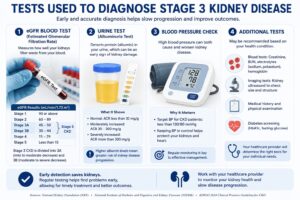
Stage 3 CKD cannot be diagnosed based on symptoms alone. Healthcare providers use several laboratory tests and medical evaluations to confirm the diagnosis and determine the severity of kidney damage.
Common tests include:
Estimated Glomerular Filtration Rate (eGFR)
The eGFR estimates how efficiently your kidneys filter waste from the blood and is the primary test used to determine the stage of CKD.
Urine Albumin-to-Creatinine Ratio (uACR)
This urine test measures the amount of albumin (a type of protein) leaking into the urine. Higher levels may indicate kidney damage.
Blood Tests
Blood tests may include:
- Serum creatinine
- Blood urea nitrogen (BUN)
- Electrolytes
- Potassium
- Phosphorus
- Hemoglobin
Blood Pressure Monitoring
Because high blood pressure is both a cause and a complication of CKD, routine blood pressure monitoring is an essential part of diagnosis and ongoing management.
Kidney Imaging
Some individuals may require an ultrasound or other imaging tests to evaluate kidney size, structure, or possible blockages.
Can Stage 3 Kidney Disease Symptoms Be Improved?
Although chronic kidney disease cannot usually be cured, many symptoms can improve with proper treatment and healthy lifestyle changes.
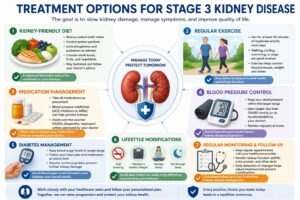
Treatment focuses on:
- Controlling blood pressure
- Managing diabetes
- Following a kidney-friendly diet
- Maintaining a healthy weight
- Exercising regularly
- Taking medications as prescribed
- Treating anemia when necessary
- Avoiding smoking
- Monitoring kidney function
The earlier treatment begins, the greater the opportunity to slow CKD progression and maintain quality of life.
When Should You See a Healthcare Provider?
Schedule an appointment with your healthcare provider if you notice:
- Persistent fatigue
- Swelling that does not improve
- Changes in urination
- Blood pressure that remains elevated
- Poor appetite lasting more than several days
- Frequent muscle cramps
- Difficulty sleeping
- Unexplained weight loss
Regular medical follow-up is important even if you feel well, as Stage 3 CKD often progresses silently.
Key Takeaways
✔ Many people with Stage 3 CKD have few or no symptoms during the early stages.
✔ Fatigue, swelling, and changes in urination are among the most common warning signs.
✔ High blood pressure and diabetes are major contributors to kidney disease progression.
✔ Regular blood and urine tests are the most reliable way to monitor kidney function.
✔ Early diagnosis and treatment may help slow CKD progression and reduce complications.
✔ Maintaining a healthy lifestyle plays an important role in protecting kidney health.
Frequently Asked Questions
What are the first symptoms of Stage 3 kidney disease?
The earliest symptoms often include fatigue, mild swelling, changes in urination, and high blood pressure. However, many people have no noticeable symptoms.
Does everyone with Stage 3 CKD have symptoms?
No. Many individuals feel completely normal and are diagnosed through routine blood and urine tests.
Is Stage 3 kidney disease painful?
Most people do not experience kidney pain. Symptoms are more commonly related to fatigue, swelling, or changes in urination.
Can Stage 3 kidney disease cause back pain?
Back pain is not a typical symptom of CKD. If you develop severe or persistent back pain, consult your healthcare provider to determine the cause.
Can Stage 3 CKD cause itchy skin?
Yes. Some people develop dry or itchy skin due to changes in mineral balance or reduced kidney function.
Why am I so tired with Stage 3 CKD?
Fatigue may be caused by anemia, waste buildup in the blood, poor sleep, or other complications of kidney disease.
Can symptoms improve with treatment?
Can symptoms improve with treatment? Yes. Many symptoms become more manageable when blood pressure, blood sugar, and other underlying conditions are well controlled. Adopting a kidney-friendly diet tailored to your needs also significantly reduces renal workload. Educational programs like The Kidney Disease Solution offer structured advice on step-by-step meal planning and lifestyle habits.
Is frequent urination a sign of Stage 3 CKD?
It can be. Some people notice increased urination, especially at night, while others experience little change.
How often should kidney function be checked?
The frequency depends on your individual health, but many people with Stage 3 CKD have regular follow-up appointments every three to six months.
Looking for More Kidney Health Tips?
Many people find it helpful to learn more about kidney-friendly nutrition, healthy daily habits, and lifestyle strategies that can complement the care provided by their healthcare team.
👉 Explore This Kidney Health Resource
Can Stage 3 CKD progress without symptoms?
Yes. Chronic kidney disease may worsen even when no symptoms are present, which is why routine testing is essential.
 Conclusion
Stage 3 kidney disease symptoms vary widely from person to person. While some individuals experience fatigue, swelling, muscle cramps, or changes in urination, others may have no symptoms at all. Understanding these early warning signs can help you seek medical care sooner and take steps to protect your kidney function.
Although Stage 3 CKD cannot usually be reversed, healthy lifestyle choices, regular monitoring, and appropriate medical treatment may help slow disease progression and improve quality of life. If you have risk factors such as diabetes or high blood pressure, routine kidney function testing remains one of the most effective ways to detect CKD early and reduce long-term complications.
Want More Practical Kidney Health Support?
Learning about Stage 3 kidney disease symptoms is an important first step, but many people also want practical guidance on kidney-friendly nutrition, daily habits, and lifestyle strategies that may help support long-term kidney health.
If you’re looking for additional educational resources designed to help you better understand chronic kidney disease and make informed lifestyle choices, you can explore the guide below.
👉 Learn More About Supporting Kidney Health
Disclosure: This page may contain affiliate links. If you choose to purchase through these links, we may earn a commission at no additional cost to you.
Exploring these topics can help you build a better understanding of chronic kidney disease and support your long-term kidney health.
Medical Disclaimer
This article is for educational purposes only and should not replace professional medical advice, diagnosis, or treatment. Always consult a qualified healthcare provider regarding any questions you have about your health or before making changes to your treatment plan.
Related Articles
To learn more about chronic kidney disease, you may also find these articles helpful:
- Kidney disease treatment options
- Stage 3 ckd diet menu
- List of food for ckd stage 3
- Kidney ckd treatment diet
- home remedies for ckd patients
Medical Disclaimer
This article is intended for educational purposes only and should not replace professional medical advice, diagnosis, or treatment. Always consult a qualified healthcare provider regarding any medical condition or before making changes to your treatment plan.
References
The information in this article is based on recommendations from leading kidney health organizations and evidence-based clinical guidelines.
- National Kidney Foundation. Chronic Kidney Disease (CKD).
https://www.kidney.org/kidney-topics/chronic-kidney-disease-ckd - National Institute of Diabetes and Digestive and Kidney Diseases (NIDDK). Chronic Kidney Disease.
https://www.niddk.nih.gov/health-information/kidney-disease/chronic-kidney-disease-ckd - Kidney Disease: Improving Global Outcomes (KDIGO). Clinical Practice Guideline for the Evaluation and Management of Chronic Kidney Disease.
https://kdigo.org/guidelines/ckd-evaluation-and-management/ - Centers for Disease Control and Prevention (CDC). Chronic Kidney Disease Initiative.
https://www.cdc.gov/kidney-disease/

CKD Online Editorial Team reviews all medical content to ensure accuracy, clarity, and alignment with current clinical guidelines. Articles are updated regularly to reflect the latest evidence-based recommendations.