
CKD Online Editorial Team
Last Updated: August 14, 2026 • Reading Time: 6 min
Introduction
Pain relief is a common concern for millions of people, especially those living with arthritis, back pain, headaches, injuries, or chronic health conditions. However, if you have kidney disease or are concerned about kidney health, choosing the right pain medication becomes especially important.
Many over-the-counter pain relievers can affect kidney function, and some may increase the risk of kidney damage when used regularly. This leads many people to ask: What is the safest pain reliever for kidneys?
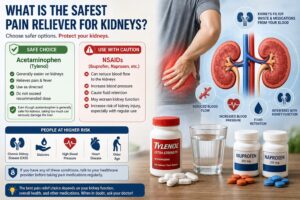
In general, acetaminophen (commonly sold as Tylenol) is often considered the safest over-the-counter pain reliever for many people with kidney disease when used as directed. However, the best choice depends on your overall health, kidney function, medical conditions, and other medications.
This guide explains the most common pain relievers, their effects on the kidneys, and how to choose safer options.
 Why Pain Relievers Matter for Kidney Health
The kidneys filter waste products and medications from the bloodstream.
Some pain medications can:
- Reduce blood flow to the kidneys
- Increase blood pressure
- Cause fluid retention
- Interfere with kidney function
People with:
- Chronic Kidney Disease (CKD)
- Diabetes
- High blood pressure
- Heart disease
- Older age
are often more vulnerable to medication-related kidney problems.
The Pain Reliever Often Considered Safest for Kidneys
Acetaminophen
Acetaminophen is commonly sold under brands such as Tylenol.
Many healthcare providers consider acetaminophen the preferred over-the-counter pain reliever for people with kidney disease because it does not significantly reduce kidney blood flow like NSAIDs do.
Potential uses include:
- Headaches
- Minor arthritis pain
- Muscle aches
- Fever
- General pain relief
Important Note
Even though acetaminophen is generally easier on the kidneys, it should still be used according to package directions or healthcare provider recommendations.
Taking excessive amounts can seriously damage the liver.
 Pain Relievers That May Be Harder on the Kidneys
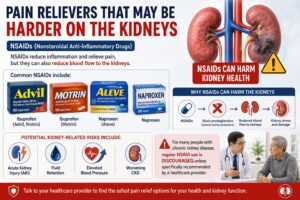
NSAIDs (Nonsteroidal Anti-Inflammatory Drugs)
Common NSAIDs include:
- Ibuprofen
- Advil
- Motrin
- Naproxen
- Aleve
NSAIDs work by reducing inflammation, but they can also reduce blood flow to the kidneys.
Potential kidney-related risks include:
- Acute Kidney Injury (AKI)
- Fluid retention
- Elevated blood pressure
- Worsening CKD
For many people with chronic kidney disease, regular NSAID use is discouraged unless specifically recommended by a healthcare provider.
Why NSAIDs Can Harm the Kidneys
The kidneys rely on substances called prostaglandins to help maintain healthy blood flow.
NSAIDs block prostaglandin production.
As a result:
- Kidney blood flow may decrease
- Filtration may decline
- Kidney stress may increase
This risk becomes greater when someone is:
- Dehydrated
- Elderly
- Taking blood pressure medications
- Living with CKD
Learn More About Kidney-Friendly Living
Protecting your kidneys involves more than choosing the right medication. Nutrition, hydration, and healthy daily habits can also support long-term kidney wellness.
👉 Explore The Kidney Disease Solution Program on ClickBank
This educational resource provides practical information about kidney-friendly nutrition, healthy lifestyle habits, renal recipes, and strategies that support overall kidney health alongside professional medical care.
 Prescription Pain Medications and Kidney Disease
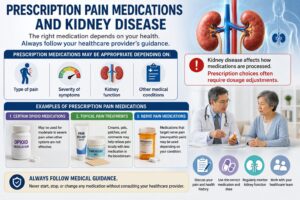
Some prescription medications may be appropriate depending on:
- Type of pain
- Severity of symptoms
- Kidney function
- Other medical conditions
Examples include:
- Certain opioid medications
- Topical pain treatments
- Nerve pain medications
Because kidney disease affects how medications are processed, prescription choices often require dosage adjustments.
Always follow medical guidance.
Topical Pain Relief Options
In some cases, topical products may reduce the need for oral pain medications by targeting pain directly without passing heavily through the kidneys. Examples include:
-
Pain-relief creams
-
Gels
-
Patches
Topical treatments often result in less medication entering the bloodstream, which may reduce kidney-related concerns. Using natural or topical alternatives like Voltaren Arthritis Pain Gel or Penetrex Joint & Muscle Therapy Cream (both available on Amazon) can provide targeted relief while avoiding oral NSAID risks.
 Non-Medication Pain Relief Strategies
Many people find relief through non-drug approaches.
Examples include:
Physical Therapy
May help improve:
- Mobility
- Strength
- Joint function
Exercise
Regular activity can help reduce chronic pain while supporting overall health.
Heat and Cold Therapy
May help with:
-
Muscle pain
-
Joint discomfort
-
Minor injuries
Recommended Product: Applying drug-free heating pads, such as the GENIANI XL Heating Pad for Back and Shoulder Pain (available on Amazon), helps soothe aching joints and stiff muscles without taking any pills.
Weight Management
Maintaining a healthy weight can reduce stress on joints and muscles.
Who Should Be Especially Careful?
People at higher risk of medication-related kidney problems include those with:
- Chronic Kidney Disease
- Diabetes
- High blood pressure
- Heart failure
- Older age
- Previous kidney injury
These individuals should discuss pain-relief options with their healthcare provider before taking medications regularly.
Explore Additional Kidney Health Resources
Learning how medications, diet, and hydration affect kidney function can help you make more informed choices.
-
Natural Digital Guide: For a step-by-step roadmap on protecting kidney function through holistic diets, explore the All Natural Kidney Health & Kidney Function Restoration Program (on ClickBank).
-
Targeted Supplement Support: If you are seeking a daily herbal supplement, high-rated options like NaturaNectar Kidney Support (available on Amazon) provide natural antioxidant support to protect renal cells from daily strain.
Frequently Asked Questions
What is the safest pain reliever for kidneys?
For many people, acetaminophen is often considered the safest over-the-counter pain reliever for kidney health when used as directed.
Is Tylenol safer than ibuprofen for kidneys?
In many cases, yes. Acetaminophen (Tylenol) generally poses less risk to kidney function than ibuprofen.
Can NSAIDs damage kidneys?
Yes. Long-term or excessive NSAID use may contribute to kidney injury and worsening kidney disease.
Can people with CKD take acetaminophen?
Many CKD patients can use acetaminophen under healthcare provider guidance, but individual recommendations vary.
What pain relievers should CKD patients avoid?
Many kidney specialists recommend limiting or avoiding regular NSAID use in people with CKD unless specifically instructed otherwise.
Take the Next Step Toward Better Kidney Health
Understanding how medications affect kidney function can help you make safer choices and protect your long-term health.
👉 Get Instant Access to The Complete Kidney Restoration Program on ClickBank
Many individuals use this educational resource to learn about kidney-friendly nutrition, hydration, natural anti-inflammatory alternatives, and practical wellness strategies that support long-term kidney health.
Conclusion
When asking about the safest pain reliever for kidneys, acetaminophen is often considered the preferred over-the-counter option for many people, particularly those with chronic kidney disease.
In contrast, NSAIDs such as ibuprofen and naproxen may increase the risk of kidney injury, especially when used frequently or by individuals with existing kidney problems.
The safest approach is always to discuss pain management with your healthcare provider, particularly if you have CKD, diabetes, high blood pressure, or other conditions that affect kidney health.
Choosing kidney-friendly medications, staying hydrated, and maintaining healthy lifestyle habits can help support both pain management and long-term kidney function.
Stage-3-kidney-disease-life-expectancy

CKD Online Editorial Team reviews all medical content to ensure accuracy, clarity, and alignment with current clinical guidelines. Articles are updated regularly to reflect the latest evidence-based recommendations.