CKD Online Editorial Team
Last Updated: August 1, 2026 • Reading Time: 7 min
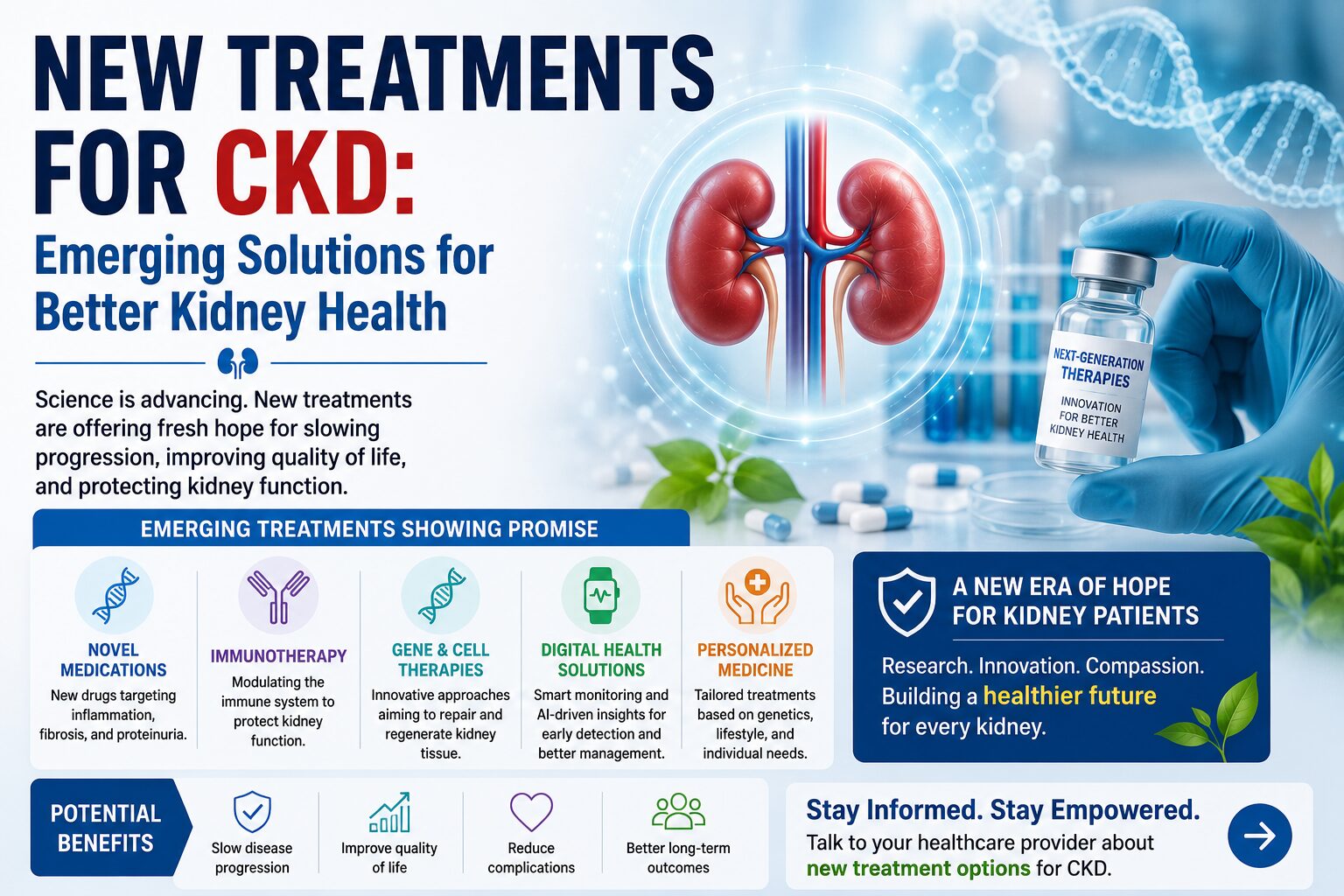
Chronic Kidney Disease (CKD) affects millions of people worldwide and remains one of the leading causes of serious health complications. As kidney function declines, the body struggles to remove waste products, regulate fluids, and maintain healthy blood pressure levels. While traditional therapies have helped many patients manage symptoms, researchers and healthcare professionals continue to explore new treatments for CKD that may improve outcomes and slow disease progression more effectively.
Today, advances in medicine, nutrition, technology, and natural wellness approaches are giving hope to people living with CKD. From innovative medications to personalized nutrition plans and supportive kidney health supplements, patients now have more options than ever before.
In this article, we will explore the latest developments in CKD treatment, lifestyle strategies that support kidney function, and how people can take proactive steps to improve their overall kidney health.
Understanding Chronic Kidney Disease
Chronic Kidney Disease occurs when the kidneys gradually lose their ability to function properly over time. Healthy kidneys filter toxins, excess fluids, and waste products from the blood. When kidney function declines, harmful substances may build up in the body.
CKD typically develops slowly and may progress through several stages. In advanced stages, kidney failure may occur, requiring dialysis or a kidney transplant.
Common causes of CKD include:
- Diabetes
- High blood pressure
- Obesity
- Heart disease
- Smoking
- Chronic infections
- Family history of kidney disease
Because CKD often progresses silently, early diagnosis and treatment are extremely important.
Why New Treatments for CKD Matter
Traditional CKD management often focuses on controlling symptoms and slowing disease progression. However, many patients continue to experience declining kidney function despite standard treatment.
This is why researchers are actively working on new treatments for CKD that may:
- Reduce kidney inflammation
- Improve filtration function
- Lower cardiovascular risk
- Delay dialysis
- Improve quality of life
- Slow kidney damage more effectively
Medical innovation is changing the way CKD is managed around the world.
Advanced Medications for CKD
One of the biggest breakthroughs in recent years involves newer medications designed to protect kidney function more effectively.
SGLT2 Inhibitors
Originally developed for diabetes management, SGLT2 inhibitors have shown promising benefits for kidney health.
Potential benefits include:
- Slowing CKD progression
- Reducing protein leakage in urine
- Lowering cardiovascular risk
- Improving blood sugar control
Many doctors now consider these medications an important advancement in CKD care.
Nonsteroidal Mineralocorticoid Receptor Antagonists
These newer medications may help reduce kidney inflammation and fibrosis.
Researchers believe they may:
- Lower proteinuria
- Reduce kidney scarring
- Protect heart health
Improved Blood Pressure Therapies
Controlling blood pressure remains one of the most important parts of CKD management. Newer blood pressure medications and personalized treatment strategies are helping many patients achieve better results.
Personalized Nutrition Plans
Nutrition continues to play a major role in CKD treatment. However, modern approaches are becoming more individualized based on each patient’s lab results, symptoms, and stage of kidney disease.
A personalized kidney-friendly diet may help:
- Reduce kidney stress
- Control sodium intake
- Balance potassium levels
- Manage phosphorus
- Improve energy levels
Many healthcare providers now recommend tailored meal planning rather than one universal CKD diet.
Plant-Based Diet Approaches
One of the emerging trends in kidney health is the increased use of plant-focused diets.
Some research suggests that carefully planned plant-based eating patterns may:
- Reduce inflammation
- Lower acid load on the kidneys
- Improve blood pressure
- Support heart health
- Reduce toxin buildup
Examples of kidney-friendly plant foods include:
- Blueberries
- Apples
- Cabbage
- Cauliflower
- Bell peppers
- Garlic
- Olive oil
However, CKD patients should always work with healthcare professionals to monitor potassium and protein intake carefully.
Technology and Remote Monitoring
Technology is also changing how CKD is managed.
Remote Patient Monitoring
Doctors can now track:
- Blood pressure
- Blood sugar
- Weight changes
- Kidney-related symptoms
This may allow earlier intervention before complications become severe.
Artificial Intelligence in CKD Care
AI-based systems are helping researchers predict CKD progression and personalize treatment recommendations more accurately.
Wearable Health Devices
Smart devices may help patients monitor activity levels, heart health, hydration, and sleep quality more effectively.
Improvements in Dialysis Treatment
For patients with advanced CKD, dialysis remains essential. However, modern dialysis technologies are becoming safer and more comfortable.
Newer dialysis approaches aim to:
- Improve toxin removal
- Reduce side effects
- Increase patient comfort
- Allow greater flexibility at home
Home dialysis options are also becoming more popular for eligible patients.
Advances in Kidney Transplant Research
Kidney transplantation remains one of the best long-term solutions for end-stage kidney disease. Researchers continue working on ways to improve transplant success rates.
Areas of research include:
- Reducing organ rejection
- Improving donor matching
- Developing artificial kidneys
- Regenerative medicine
Scientists are even exploring bioengineered kidney tissues that may one day transform CKD treatment completely.
Natural Support for Kidney Health
Alongside medical treatments, many people are also looking for natural ways to support kidney wellness.
Healthy lifestyle habits may help improve overall kidney function and quality of life.
Stay Hydrated
Proper hydration helps the kidneys remove toxins more effectively.
Exercise Regularly
Physical activity may help:
- Improve circulation
- Reduce blood pressure
- Maintain healthy weight
- Support heart health
Avoid Smoking
Smoking damages blood vessels and may accelerate kidney decline.
Get Enough Sleep
Poor sleep quality may negatively impact blood pressure and metabolic health.
The Growing Interest in Kidney Support Supplements
As awareness about kidney health increases, many individuals are exploring supplements designed to support kidney wellness naturally.
Some kidney support formulas contain:
- Herbal ingredients
- Antioxidants
- Vitamins
- Minerals
Users often seek supplements that may:
- Support healthy kidney function
- Promote hydration balance
- Increase energy levels
- Complement healthy lifestyle habits
Although supplements are not a cure for CKD, some people report positive experiences when using high-quality kidney support products alongside proper medical care.
It is always important to consult a healthcare professional before starting any new supplement program.
Lifestyle Changes Still Matter
Even with exciting new treatments for CKD, healthy daily habits remain essential.
Important lifestyle strategies include:
- Limiting sodium intake
- Monitoring blood pressure
- Managing diabetes carefully
- Avoiding processed foods
- Maintaining healthy weight
- Staying physically active
Long-term consistency often produces the best results.
Early Detection Is Critical
One of the biggest challenges with CKD is that many people do not realize they have kidney disease until significant damage has already occurred.
Regular medical testing may help detect:
- Protein in urine
- Elevated creatinine
- Reduced eGFR
- High blood pressure
Early diagnosis allows patients to begin treatment sooner and potentially slow progression more effectively.
The Future of CKD Treatment
Researchers continue exploring exciting new possibilities in kidney care.
Future innovations may include:
- Regenerative medicine
- Stem cell therapy
- Artificial kidneys
- Precision medicine
- Advanced anti-inflammatory drugs
While these treatments are still being studied, they offer hope for better CKD management in the years ahead.
How Patients Can Take Control of Their Kidney Health
Although medical advances are important, patients also play a major role in protecting kidney function.
Practical steps include:
- Following medical advice
- Eating a kidney-friendly diet
- Staying active
- Monitoring lab results
- Taking medications consistently
- Reducing stress
- Learning about CKD management
Education and proactive care can make a significant difference.
Final Thoughts
The development of new treatments for CKD is bringing hope to millions of people living with chronic kidney disease. Advances in medications, personalized nutrition, technology, dialysis, and transplant research are improving the future of kidney care.
At the same time, healthy lifestyle habits and supportive wellness strategies remain essential for maintaining kidney health and slowing disease progression.
If you are looking for additional natural support for kidney wellness, you can learn more about a popular kidney support formula here:
👉 Explore This Natural Kidney Support Solution
Always consult your healthcare provider before making major treatment decisions or starting any new supplement program.

CKD Online Editorial Team reviews all medical content to ensure accuracy, clarity, and alignment with current clinical guidelines. Articles are updated regularly to reflect the latest evidence-based recommendations.