CKD Online Editorial Team
Last Updated: October 11, 2026 • Reading Time: 9 min
Natural kidney support is an important topic for people who want to maintain healthy kidney function and improve their daily habits. Your kidneys filter waste from the blood, balance fluids and minerals, and help regulate blood pressure. Taking care of these vital organs involves more than choosing healthy foods. It also includes staying physically active, managing existing health conditions, and following appropriate medical advice.
If you are living with chronic kidney disease (CKD), natural approaches may help support your overall health. However, no particular food, supplement, or detox product can guarantee that damaged kidneys will recover.
In this guide, discover 10 practical ways to support kidney health naturally and learn how to choose helpful products without putting your health at risk.
 What Is Natural Kidney Support?
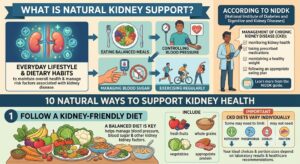
Natural kidney support refers to everyday lifestyle and dietary habits that help maintain overall health and manage risk factors associated with kidney disease.
These habits include eating balanced meals, controlling blood pressure, managing blood sugar, exercising regularly, and avoiding substances that may harm the kidneys.
According to the National Institute of Diabetes and Digestive and Kidney Diseases, managing chronic kidney disease involves monitoring kidney health, taking prescribed medications, maintaining a healthy weight, and following an appropriate eating plan.
You can learn more from the NIDDK guide to managing chronic kidney disease.
 10 Natural Ways to Support Kidney Health
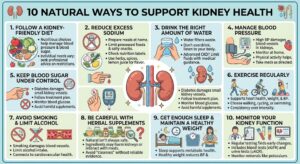
1. Follow a Kidney-Friendly Diet
A balanced diet is one of the most important parts of natural kidney support. Choosing nutritious foods can help manage blood pressure, blood sugar, and other factors that influence kidney health.
Depending on your individual needs, your diet may include fresh fruits, vegetables, whole grains, and appropriate portions of protein.
However, people with CKD do not all require the same diet. Some may need to limit potassium, phosphorus, sodium, or protein, while others may not need specific restrictions.
For example, apples, berries, cabbage, and cauliflower may fit into many kidney-friendly meal plans. Your ideal choices and portion sizes should depend on your laboratory results and healthcare professional’s recommendations.
2. Reduce Excess Sodium
Too much sodium can contribute to high blood pressure and fluid retention. Both concerns are important for people managing kidney disease.
To reduce sodium intake, consider these simple changes:
- Prepare more meals at home.
- Limit highly processed foods and salty snacks.
- Compare sodium levels on nutrition labels.
- Use garlic, lemon juice, herbs, and suitable spices instead of excessive salt.
- Be cautious with restaurant meals and packaged sauces.
Some salt substitutes contain potassium chloride, which may be unsuitable for people with elevated potassium levels. Ask your healthcare professional before using these products.
3. Drink the Right Amount of Water
Water helps the kidneys remove waste through urine. Staying adequately hydrated is important, but drinking excessive amounts of water does not automatically improve kidney function.
People with advanced CKD, heart problems, reduced urine output, or fluid retention may need to limit their fluid intake.
Rather than following a universal rule about how many glasses to drink, ask your healthcare professional how much fluid is appropriate for your condition.
4. Manage Blood Pressure
High blood pressure is both a cause and a consequence of kidney disease. Over time, uncontrolled blood pressure can damage the blood vessels that supply the kidneys.
Helpful habits include monitoring your blood pressure, reducing excess sodium, staying physically active, and taking prescribed medication as directed.
A home blood pressure monitor can make it easier to record measurements between medical appointments.
Helpful product: Home blood pressure monitor
Explore home blood pressure monitors on Amazon
Choose a validated device with an appropriate cuff size. Follow your healthcare professional’s advice about measurement frequency and target readings.
Affiliate note: Replace this Amazon search link with your Amazon Associates link to earn qualifying commissions.
 5. Keep Blood Sugar Under Control
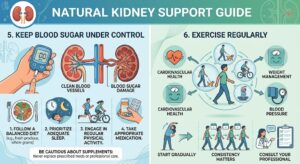
Diabetes is a major risk factor for chronic kidney disease. Persistently elevated blood sugar can damage small blood vessels throughout the body, including those in the kidneys.
If you have diabetes, follow your treatment plan, monitor blood glucose as recommended, and attend regular medical appointments.
A balanced diet, regular physical activity, adequate sleep, and appropriate medication can all contribute to better blood sugar management.
Be cautious about supplements marketed as natural blood sugar solutions. They should never replace prescribed diabetes medication or professional care.
6. Exercise Regularly
Physical activity supports cardiovascular health, weight management, and blood pressure control.
Depending on your ability and medical condition, suitable activities may include walking, cycling, swimming, or gentle stretching.
Start gradually if you are not accustomed to exercise. If you have advanced kidney disease or other medical conditions that limit physical activity, ask your healthcare professional which activities are safe.
Consistency matters more than pursuing an intense exercise routine.
7. Avoid Smoking and Limit Alcohol
Smoking can damage blood vessels and increase cardiovascular risk. Because kidney health is closely connected to cardiovascular health, stopping smoking is an important step toward better overall well-being.
If you drink alcohol, discuss appropriate limits with your healthcare professional, especially if you have high blood pressure, diabetes, or advanced kidney disease.
Avoid using tobacco or alcohol as a way to manage stress, and seek professional support if changing these habits is difficult.
8. Be Careful With Herbal Supplements
Many products are marketed for natural kidney support, including herbal capsules, detox teas, powders, and concentrated plant extracts.
However, natural does not always mean safe. Certain ingredients may interact with prescription medications, contain excessive potassium or phosphorus, or cause kidney injury.
The National Kidney Foundation advises people with kidney disease to be cautious about herbal supplements and avoid products marketed as kidney cleanses or detox treatments without reliable evidence of safety and effectiveness.
Before using a supplement, show its full ingredient list to your doctor or pharmacist. This is especially important if you have advanced CKD, receive dialysis, or have had a kidney transplant.
Read more in the National Kidney Foundation’s guide to herbal supplements and kidney disease.
9. Get Enough Sleep and Maintain a Healthy Weight
Sleep and weight management are often overlooked parts of kidney health.
Consistent sleep supports overall metabolic health, while maintaining an appropriate weight can help reduce the risk of high blood pressure and type 2 diabetes.
Try to establish a regular bedtime, maintain a relaxing evening routine, and follow a balanced eating plan that meets your nutritional needs.
If you have CKD, avoid extreme diets or rapid weight-loss programs without medical guidance. Getting enough calories and protein is important, particularly for people at risk of malnutrition.
10. Monitor Your Kidney Function
Kidney disease may progress without obvious symptoms, especially during its early stages. Regular testing can help identify changes before complications become severe.
Depending on your situation, your healthcare professional may recommend:
- A blood test measuring estimated glomerular filtration rate (eGFR).
- A urine albumin-to-creatinine ratio (uACR).
- Blood pressure monitoring.
- Blood tests for potassium and other important minerals.
- Medication reviews and follow-up appointments.
These tests help your healthcare team determine whether your current diet, medications, and lifestyle plan remain appropriate.
Helpful Products for a Natural Kidney Support Routine
Practical tools can make healthy habits easier to maintain. The following products are intended to support meal planning and daily organization, not to treat kidney disease.
Product 1: Kidney-Friendly Cookbook
A renal diet cookbook can provide recipe inspiration and help you plan meals with ingredients that fit your dietary needs.
Look for a book that discusses sodium, potassium, phosphorus, protein, and portion sizes. Ideally, it should explain that dietary restrictions differ between individuals and CKD stages.
Explore Renal Diet Cookbooks on Amazon
Affiliate placement: Add your Amazon Associates tracking link to this CTA.
Product 2: Meal-Planning Journal
A meal-planning journal can help you organize weekly meals, record ingredients, and prepare shopping lists. You can also use it to note questions for your renal dietitian.
Choose a simple journal that makes it easy to track meals and follow your personalized nutrition plan.
Find Meal-Planning Journals on Amazon
Affiliate placement: Replace the search URL with your approved Amazon affiliate link.
Product 3: Kidney Health Education Program
If you want additional guidance, you may consider an educational program that offers kidney-friendly recipes, general nutrition information, and practical lifestyle suggestions.
Before purchasing, review the program’s credentials, ingredients or dietary recommendations, refund policy, and evidence supporting its claims.
Explore a Kidney Health Education Program Here
ClickBank placement: Replace this placeholder with your actual ClickBank HopLink. Promote only a product you have reviewed and avoid claims that it cures CKD, regenerates kidneys, or guarantees that dialysis can be avoided.
Can Natural Kidney Support Reverse Chronic Kidney Disease?
This is a common question among people searching for natural ways to improve kidney health.
The answer depends on the underlying condition. Some temporary causes of reduced kidney function can improve when the underlying problem is treated. However, established chronic kidney damage is generally not reversible.
Healthy lifestyle changes and appropriate treatment may help slow disease progression, manage complications, and improve quality of life. They cannot guarantee that kidney function will return to normal.
Be particularly cautious about products that promise to cleanse the kidneys, remove all toxins, or reverse advanced kidney disease.
If you have CKD, continue your prescribed treatment and discuss any proposed diet, supplement, or alternative therapy with your healthcare team.
Final Thoughts on Natural Kidney Support
Natural kidney support begins with consistent, practical habits rather than expensive supplements or extreme detox programs.
Choose a kidney-friendly eating plan suited to your laboratory results, manage blood pressure and blood sugar, stay active, get enough sleep, and attend regular medical appointments.
Helpful products such as cookbooks, meal planners, and blood pressure monitors may support these routines. However, supplements and educational programs should never replace evidence-based medical care.
The best approach is an individualized plan developed with your healthcare professional. With appropriate monitoring and sustainable lifestyle changes, you can take meaningful steps toward protecting your overall health.
Medical disclaimer: This article is for educational purposes only and does not replace professional medical advice, diagnosis, or treatment. Consult a qualified healthcare professional before changing your diet, medication, fluid intake, or supplement routine.
Affiliate disclosure: This article may contain affiliate links. We may earn a commission from qualifying purchases at no additional cost to you.

CKD Online Editorial Team reviews all medical content to ensure accuracy, clarity, and alignment with current clinical guidelines. Articles are updated regularly to reflect the latest evidence-based recommendations.