CKD Online Editorial Team
Last Updated: July 17, 2026 • Reading Time: 7 min
Introduction
Receiving a diagnosis of kidney disease stage 4 can feel frightening and overwhelming. At this stage, kidney function has declined significantly, and many people begin experiencing more noticeable symptoms that affect daily life. However, understanding the condition early and taking the right steps may help slow progression, improve quality of life, and support overall kidney health.
Stage 4 chronic kidney disease (CKD) is considered an advanced stage of kidney damage, but it is not yet complete kidney failure. With proper medical care, healthy lifestyle changes, blood pressure management, and blood sugar control, many individuals continue living productive lives for years.
In this complete guide, you’ll learn everything you need to know about kidney disease stage 4, including symptoms, causes, treatment options, diet recommendations, and natural wellness support strategies.
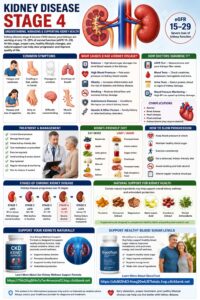 What Is Kidney Disease Stage 4?
Chronic kidney disease is divided into five stages based on kidney function. Doctors use a measurement called estimated glomerular filtration rate (eGFR) to determine how efficiently the kidneys are filtering waste from the bloodstream.
CKD Stages Overview
- Stage 1: Normal kidney function with mild damage
- Stage 2: Mild decline in kidney function
- Stage 3: Moderate kidney impairment
- Stage 4: Severe kidney damage
- Stage 5: Kidney failure
People diagnosed with kidney disease stage 4 usually have an eGFR between 15 and 29. This means the kidneys are functioning at a severely reduced capacity and may struggle to remove toxins, balance fluids, and regulate minerals properly.
At this stage, close medical monitoring becomes extremely important.
What Happens During Stage 4 Kidney Disease?
As kidney function declines, waste products and excess fluids begin accumulating inside the body. This buildup can affect multiple organs and systems.
The kidneys also become less effective at:
- Balancing electrolytes
- Regulating blood pressure
- Supporting red blood cell production
- Maintaining healthy bone mineral balance
- Removing excess water
Because the kidneys influence so many body functions, advanced kidney disease may lead to a wide variety of symptoms and complications.
Common Symptoms of Kidney Disease Stage 4
Symptoms often become more noticeable during stage 4 CKD.
Fatigue and Weakness
Many patients experience persistent tiredness due to toxin buildup and anemia, which is common in advanced kidney disease.
Swelling
Fluid retention may cause swelling in:
- Feet
- Ankles
- Legs
- Hands
- Face
Changes in Urination
You may notice:
- Foamy urine
- Dark urine
- Frequent urination
- Reduced urine output
- Nighttime urination
Shortness of Breath
Fluid accumulation and anemia may contribute to breathing difficulties.
Nausea and Loss of Appetite
Waste buildup can affect digestion and appetite.
Difficulty Concentrating
Some individuals experience memory problems, brain fog, or poor concentration.
Muscle Cramps
Electrolyte imbalances can contribute to painful cramps.
Itchy Skin
Mineral imbalance and toxin accumulation may lead to persistent itching.
What Causes Kidney Disease Stage 4?
Several conditions can damage the kidneys over time.
Diabetes
Diabetes remains the leading cause of chronic kidney disease worldwide. Elevated blood sugar damages the tiny blood vessels inside the kidneys.
People with diabetes should carefully monitor blood sugar levels to protect kidney function.
Many individuals also explore natural blood sugar support supplements alongside healthy habits. Some people interested in supporting healthy glucose balance choose to learn more about GlucoTrust here
👉High Blood Pressure
Long-term hypertension places stress on kidney blood vessels and accelerates kidney decline.
Obesity
Excess body weight increases inflammation and raises the risk of diabetes and cardiovascular disease.
Autoimmune Diseases
Conditions such as lupus may directly damage kidney tissue.
Genetic Kidney Disorders
Inherited conditions like polycystic kidney disease may increase CKD risk.
Smoking
Smoking reduces circulation and may worsen kidney damage.
How Is Kidney Disease Stage 4 Diagnosed?
Doctors use multiple tests to evaluate kidney function and monitor disease progression.
eGFR Test
The estimated glomerular filtration rate measures how effectively the kidneys are filtering waste.
Blood Tests
Blood tests may evaluate:
- Creatinine
- Potassium
- Sodium
- Phosphorus
- Blood sugar
- Hemoglobin
Urine Tests
Urine testing helps detect:
- Protein leakage
- Blood in urine
- Signs of kidney damage
Blood Pressure Monitoring
Blood pressure plays a major role in CKD progression and must be closely controlled.
Complications of Stage 4 CKD
Without proper management, stage 4 kidney disease may lead to serious complications.
Anemia
Reduced kidney function lowers production of erythropoietin, a hormone involved in red blood cell production.
Bone Disease
Imbalances in calcium and phosphorus can weaken bones.
Heart Disease
People with CKD have an increased risk of cardiovascular complications.
Fluid Overload
Excess fluid may affect the lungs and heart.
Kidney Failure
Stage 4 CKD may eventually progress to stage 5 kidney failure.
Can Kidney Disease Stage 4 Be Reversed?
In most cases, kidney disease stage 4 cannot be fully reversed because the kidney damage is usually permanent.
However, progression may often be slowed significantly with proper care.
Many people remain stable for years through:
- Blood pressure control
- Blood sugar management
- Healthy nutrition
- Medication adherence
- Weight management
- Regular exercise
- Smoking cessation
Early intervention can make a major difference.
Treatment Options for Kidney Disease Stage 4
Treatment focuses on preserving remaining kidney function and reducing complications.
Blood Pressure Control
Healthy blood pressure helps reduce stress on the kidneys.
Doctors often prescribe medications such as:
- ACE inhibitors
- ARBs
Blood Sugar Management
For people with diabetes, controlling glucose levels is essential.
Healthy blood sugar may help:
- Protect blood vessels
- Reduce inflammation
- Slow kidney decline
Kidney-Friendly Diet
A renal-friendly diet often includes:
- Lower sodium intake
- Reduced processed foods
- Controlled protein intake
- Limited phosphorus
- Reduced potassium when necessary
- More fresh vegetables
Exercise
Regular physical activity supports circulation, metabolism, and cardiovascular health.
Dialysis Preparation
Some patients begin discussing dialysis options during stage 4 CKD in case kidney function declines further.
Natural Wellness Support for Kidney Health
Many individuals explore natural wellness strategies to support kidney health alongside medical treatment.
Certain ingredients commonly used in kidney wellness formulas include:
- Turmeric
- Magnesium
- Cinnamon extract
- Alpha lipoic acid
- Herbal antioxidants
- Cranberry extract
These supplements are intended to complement healthy habits and professional medical care.
If you want to explore a natural kidney wellness support formula designed for individuals concerned about kidney health, you can learn more here
👉
This kidney wellness support option is designed to support daily wellness, antioxidant protection, and overall kidney function support.
Foods That May Support Kidney Health
Nutrition plays a huge role in managing chronic kidney disease.
Helpful Foods
Some kidney-friendly foods include:
- Blueberries
- Apples
- Garlic
- Olive oil
- Cauliflower
- Leafy greens
- Salmon
Foods to Limit
People with stage 4 CKD may need to reduce:
- Processed foods
- Fried foods
- Excess sodium
- Sugary drinks
- Processed meats
- High-phosphorus foods
Always follow individualized dietary recommendations from your healthcare provider.
How to Slow the Progression of Stage 4 CKD
While kidney disease stage 4 is serious, there are several important ways to help slow progression.
Monitor Blood Pressure
Maintaining healthy blood pressure is one of the most effective protective strategies.
Stay Hydrated
Proper hydration helps support kidney filtration.
Follow Medication Instructions
Never stop medications without medical guidance.
Exercise Consistently
Regular activity supports heart and metabolic health.
Avoid Smoking and Excess Alcohol
These habits may worsen kidney damage.
Attend Regular Checkups
Routine testing allows doctors to monitor changes early.
Frequently Asked Questions
Is Kidney Disease Stage 4 Serious?
Yes. Stage 4 CKD is considered severe kidney damage and requires close medical supervision.
Can You Live a Normal Life With Stage 4 Kidney Disease?
Many people continue working, traveling, and enjoying life while carefully managing stage 4 CKD.
Does Stage 4 CKD Always Lead to Dialysis?
Not always. Some individuals maintain stable kidney function for years with proper management.
What Is Life Expectancy With Stage 4 CKD?
Life expectancy varies based on age, overall health, diabetes, blood pressure control, and treatment adherence.
Can Supplements Cure Kidney Disease?
No. Supplements are intended to support overall wellness and should never replace professional medical treatment.
Final Thoughts
Understanding kidney disease stage 4 is essential for protecting long-term health and improving quality of life. Although stage 4 CKD represents severe kidney damage, many people successfully slow disease progression through healthy lifestyle changes, medical treatment, blood pressure control, and blood sugar management.
Taking action early is one of the best ways to support kidney health and reduce complications.
If you’re interested in exploring natural wellness support designed to help maintain kidney health, learn more here
And for individuals looking to support healthy blood sugar balance alongside kidney wellness, you can also explore GlucoTrust here
👉Remember: supplements should complement healthy habits and professional medical care, not replace them. Chronic kidney disease stage 4

CKD Online Editorial Team reviews all medical content to ensure accuracy, clarity, and alignment with current clinical guidelines. Articles are updated regularly to reflect the latest evidence-based recommendations.