CKD Online Editorial Team
Last Updated: August 6, 2026 • Reading Time: 7 min
 Understanding Chronic Kidney Disease Stage 4
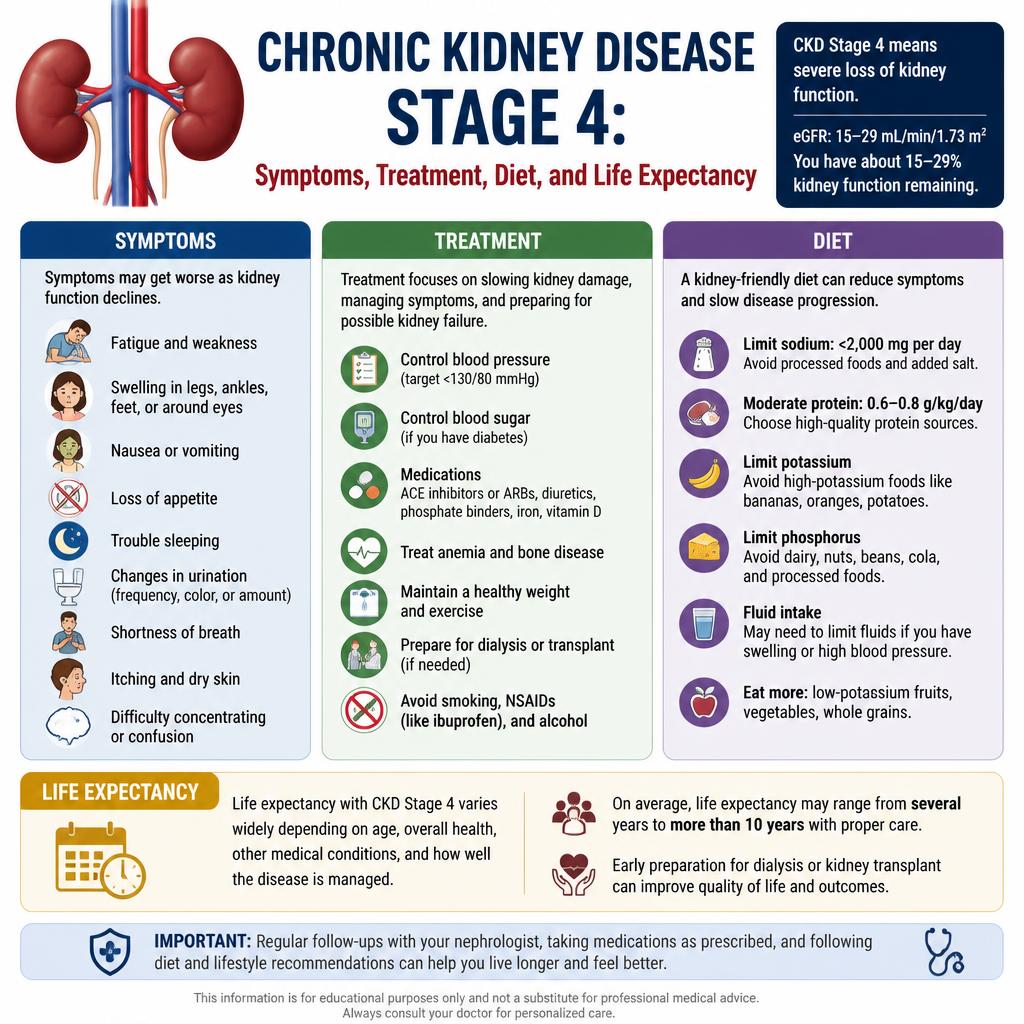
Chronic kidney disease stage 4 (CKD Stage 4) is an advanced stage of kidney disease characterized by severe loss of kidney function. At this stage, the kidneys are significantly damaged and can no longer filter waste products and excess fluids as efficiently as they should.
A diagnosis of Stage 4 CKD can feel overwhelming, but it is important to remember that many patients successfully manage the condition for years through proper medical treatment, healthy lifestyle choices, and regular monitoring.
Understanding chronic kidney disease stage 4 can help patients and their families prepare for the future while taking steps to preserve remaining kidney function.
Recommended Kidney Wellness Resource: Many people with Stage 4 CKD also explore educational programs focused on kidney-friendly nutrition, hydration, and healthy lifestyle habits to complement their medical care. 👉 Learn More Here
 What Is Chronic Kidney Disease Stage 4?
Chronic kidney disease is classified into five stages based on the estimated glomerular filtration rate (eGFR), a measurement that estimates how effectively the kidneys filter blood.
The CKD stages include:
- Stage 1: eGFR 90 or higher
- Stage 2: eGFR 60–89
- Stage 3A: eGFR 45–59
- Stage 3B: eGFR 30–44
- Stage 4: eGFR 15–29
- Stage 5: eGFR below 15
At Stage 4, kidney function is severely reduced. Waste products begin accumulating in the bloodstream, increasing the risk of complications and symptoms.
Although Stage 4 is close to kidney failure, progression can often be slowed with early intervention and proper care.
Helpful Guide: Looking for practical tips on kidney-friendly eating and daily habits? Explore this comprehensive kidney wellness program designed to support people living with CKD. Learn More →
Common Symptoms of Chronic Kidney Disease Stage 4
Many patients experience noticeable symptoms as kidney function declines.
Severe Fatigue and Weakness
Fatigue is one of the most common symptoms.
Damaged kidneys may produce less erythropoietin, a hormone that helps create red blood cells. This can result in anemia and cause:
- Persistent tiredness
- Weakness
- Reduced stamina
- Difficulty performing daily activities
Swelling and Fluid Retention
The kidneys help regulate fluid balance.
As kidney function declines, fluid may accumulate in the body, causing:
- Swollen ankles
- Puffy feet
- Leg swelling
- Hand swelling
- Unexplained weight gain
Changes in Urination
Many patients notice changes such as:
- Frequent urination
- Increased nighttime urination
- Reduced urine output
- Foamy urine
- Dark urine
- Blood in urine
High Blood Pressure
Hypertension often accompanies Stage 4 CKD.
Poor blood pressure control may accelerate kidney damage and increase cardiovascular risk.
Recommended Home Monitor: Regular blood pressure monitoring at home can help you stay on track and share accurate readings with your healthcare provider. Check Today’s Price on Amazon →
 Nausea and Loss of Appetite
The buildup of waste products in the bloodstream may lead to:
- Nausea
- Vomiting
- Poor appetite
- Weight loss
- Metallic taste in the mouth
Muscle Cramps
Electrolyte imbalances frequently cause:
- Muscle cramps
- Muscle weakness
- Restless legs
Dry and Itchy Skin
Many patients experience:
- Persistent itching
- Dry skin
- Skin irritation
Shortness of Breath
Fluid retention and anemia may contribute to breathing difficulties.
Difficulty Concentrating
Waste accumulation can affect cognitive function, resulting in:
- Brain fog
- Memory problems
- Reduced concentration
- Mental fatigue
What Causes Stage 4 CKD?
Several underlying conditions contribute to advanced kidney disease.
Diabetes
Diabetes is the leading cause of CKD worldwide.
High blood sugar damages the kidneys’ filtering structures over time.
Helpful Diabetes Tool: Monitoring your blood sugar regularly may support better diabetes management as part of your overall kidney care plan. View on Amazon →
High Blood Pressure
Long-term hypertension damages kidney blood vessels and reduces kidney function.
Heart Disease
Cardiovascular disease and kidney disease often occur together.
Autoimmune Disorders
Conditions such as lupus may directly damage kidney tissue.
Genetic Disorders
Inherited diseases like polycystic kidney disease can increase the risk of CKD progression.
 Complications of Chronic Kidney Disease Stage 4
Stage 4 CKD increases the risk of several serious complications.
Anemia
Reduced red blood cell production can worsen fatigue and cardiovascular strain.
Bone and Mineral Disorders
The kidneys help regulate calcium and phosphorus levels. Dysfunction may weaken bones and increase fracture risk.
Cardiovascular Disease
People with CKD are at greater risk for:
- Heart attack
- Stroke
- Heart failure
Electrolyte Imbalances
Abnormal potassium levels can affect heart rhythm and muscle function.
Progression to Kidney Failure
Without proper treatment, Stage 4 CKD may progress to Stage 5 kidney disease, also known as kidney failure.
How Is Stage 4 CKD Diagnosed?
Healthcare providers use several tests to assess kidney health.
eGFR Testing
The estimated glomerular filtration rate measures kidney filtering ability.
Blood Tests
Common blood tests include:
- Creatinine
- Blood urea nitrogen (BUN)
- Potassium
- Hemoglobin
Urine Testing
Urine analysis can identify:
- Protein leakage
- Blood in urine
- Signs of kidney damage
Imaging Studies
Kidney ultrasounds help identify structural abnormalities.
Treatment Options for Stage 4 CKD
Although chronic kidney disease stage 4 cannot usually be reversed, treatment can help slow progression and manage symptoms.
Blood Pressure Control
Managing blood pressure remains one of the most effective ways to protect kidney function.
Blood Sugar Management
For patients with diabetes, maintaining healthy glucose levels is essential.
Cholesterol Management
Reducing cholesterol may lower cardiovascular risk.
Anemia Treatment
Treatment may include:
- Iron supplementation
- Erythropoiesis-stimulating agents
- Nutritional support
Preparing for Kidney Replacement Therapy
Because Stage 4 CKD is close to kidney failure, healthcare providers may begin discussing:
- Dialysis options
- Kidney transplant evaluation
- Long-term treatment planning
Diet for Chronic Kidney Disease Stage 4
Nutrition plays a critical role in managing advanced kidney disease.
Kidney-Friendly Recipes: Discover practical meal plans and recipes that can help you follow a kidney-friendly eating pattern more easily. View on Amazon →
Reduce Sodium
Limiting sodium helps:
- Lower blood pressure
- Reduce swelling
- Minimize fluid retention
Moderate Protein Intake
Excessive protein may place additional strain on damaged kidneys.
Monitor Potassium
Some patients need to limit potassium-rich foods based on blood test results.
Control Phosphorus
Managing phosphorus intake can help protect bone health.
Avoid Processed Foods
Processed foods often contain excessive sodium and phosphorus additives.
Lifestyle Changes That Support Kidney Health
Exercise Regularly
Physical activity may improve:
- Heart health
- Energy levels
- Weight management
- Blood pressure control
Stop Smoking
Smoking accelerates kidney damage and increases cardiovascular risk.
Maintain a Healthy Weight
Healthy weight management supports both kidney and cardiovascular health.
Track Your Progress: Staying active and monitoring your daily activity can help support long-term health goals. View on Amazon →
Attend Regular Medical Appointments
Routine monitoring allows healthcare providers to detect complications early.
Helpful Daily Health Tool: A weekly pill organizer can make it easier to stay consistent with prescribed medications and supplements. See on Amazon →
Supporting Kidney Health Naturally
Many individuals with chronic kidney disease stage 4 seek additional educational resources to complement their treatment plan.
Some patients choose kidney wellness programs that focus on nutrition, healthy habits, and kidney-support strategies. Learn more through the Complete Chronic Kidney Disease Support Program Here.
Because diabetes remains one of the leading causes of kidney disease progression, maintaining healthy blood sugar levels is equally important. Individuals interested in nutritional glucose support may explore the Natural Blood Sugar Support Formula Available Here.
These resources are designed to complement professional medical care and should not replace advice from a qualified healthcare provider.
Life Expectancy With Stage 4 CKD
Life expectancy varies significantly depending on:
- Age
- Overall health
- Diabetes control
- Blood pressure management
- Cardiovascular health
- Lifestyle habits
Many individuals live for years with Stage 4 CKD, especially when they actively manage their condition and follow medical recommendations.
Additional Resource: Healthy eating remains one of the most important parts of managing CKD. Explore kidney-friendly recipes and meal planning ideas. View on Amazon →
When Should You Seek Immediate Medical Attention?
Seek prompt medical care if you experience:
- Severe shortness of breath
- Chest pain
- Significant swelling
- Confusion
- Extremely high blood pressure
- Sudden reduction in urine output
These symptoms may indicate serious complications requiring urgent treatment.
Conclusion
Chronic kidney disease stage 4 is a serious condition characterized by severe kidney damage and increased risk of kidney failure. However, with proper treatment, dietary management, lifestyle modifications, and ongoing medical care, many patients successfully slow disease progression and maintain a good quality of life.
Understanding the symptoms, causes, complications, and treatment options available can help patients take an active role in protecting their kidney health and preparing for the future.

CKD Online Editorial Team reviews all medical content to ensure accuracy, clarity, and alignment with current clinical guidelines. Articles are updated regularly to reflect the latest evidence-based recommendations.
1 thought on “Chronic Kidney Disease Stage 4: Symptoms, Treatment, Diet, and Life Expectancy”