CKD Online Editorial Team
Last Updated: July 31, 2026 • Reading Time: 15 min
Introduction
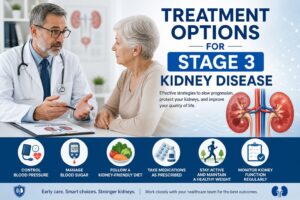
Being diagnosed with Stage 3 chronic kidney disease (CKD) can feel overwhelming, but it is important to remember that many people continue to live healthy, active lives for years with the right treatment plan. Although kidney function has declined at this stage, there are many effective strategies that can help slow disease progression, reduce complications, and improve overall quality of life.
Stage 3 CKD is considered a moderate reduction in kidney function. The kidneys are still able to perform many of their essential tasks, such as filtering waste products and balancing fluids, but they are no longer working at full capacity. Without proper intervention, kidney damage may continue to worsen over time.
Fortunately, modern medical care has made it possible for many individuals to successfully manage Stage 3 CKD through a combination of medication, healthy lifestyle changes, proper nutrition, and regular monitoring. For those looking for a comprehensive step-by-step approach to managing this condition, using proven educational resources like the CKD Breakthrough Guide can provide valuable daily support alongside your medical treatment.
Understanding the available treatment options for stage 3 kidney disease allows patients and their families to make informed decisions, work more effectively with healthcare providers, and take an active role in protecting their remaining kidney function.
In this comprehensive guide, you’ll learn about the most effective medical treatments, kidney-friendly dietary recommendations, lifestyle modifications, and long-term management strategies recommended by kidney health experts.
Quick Answer
 What Are the Best Treatment Options for Stage 3 Kidney Disease?
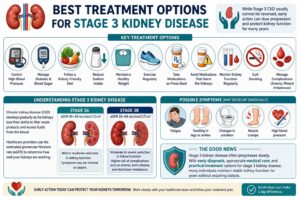
The most effective treatment options for stage 3 kidney disease focus on slowing kidney damage rather than curing the disease. These treatments typically include:
-
Controlling high blood pressure
-
Managing diabetes and blood sugar
-
Following a kidney-friendly diet
-
Reducing sodium intake
-
Maintaining a healthy weight
-
Exercising regularly
-
Taking prescribed medications correctly
-
Avoiding medications that may harm the kidneys
-
Monitoring kidney function through regular laboratory tests
-
Quitting smoking
-
Managing complications such as anemia or mineral imbalances
While Stage 3 CKD usually cannot be reversed, early implementation of these treatment options for stage 3 kidney disease can often help preserve kidney function for many years and reduce the risk of progressing to advanced kidney disease.
Table of Contents
 Understanding Stage 3 Kidney Disease
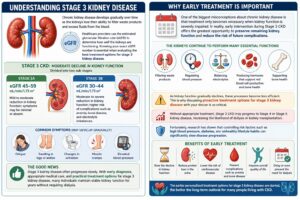
Chronic kidney disease develops gradually over time as the kidneys lose their ability to filter waste products and excess fluids from the blood. Healthcare providers use the estimated glomerular filtration rate (eGFR) to determine how well the kidneys are functioning. When evaluating the best treatment options for stage 3 kidney disease, knowing your exact eGFR number is essential.
Stage 3 CKD represents a moderate decline in kidney function and is divided into two sub-stages:
-
Stage 3A: eGFR 45–59 mL/min/1.73 m² (Mild to moderate reduction in kidney function; symptoms may be minimal or absent).
-
Stage 3B: eGFR 30–44 mL/min/1.73 m² (Moderate to severe reduction in kidney function; higher risk of developing complications such as anemia, bone disease, and electrolyte imbalances).
Many people are unaware they have Stage 3 CKD because symptoms often develop gradually. Others may begin noticing fatigue, swelling in the legs or ankles, changes in urination, muscle cramps, or elevated blood pressure.
The good news is that Stage 3 kidney disease often progresses slowly. With early diagnosis, appropriate medical care, and practical treatment options for stage 3 kidney disease, many individuals maintain stable kidney function for years without requiring dialysis.
 Why Early Treatment Is Important
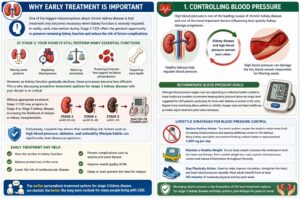
One of the biggest misconceptions about chronic kidney disease is that treatment only becomes necessary when kidney function is severely impaired. In reality, early intervention during Stage 3 CKD offers the greatest opportunity to preserve remaining kidney function and reduce the risk of future complications.
At this stage, the kidneys continue to perform many essential functions, including filtering waste products, regulating blood pressure, balancing electrolytes, and producing hormones that support red blood cell production and bone health. However, as kidney function gradually declines, these processes become less efficient. This is why discussing proactive treatment options for stage 3 kidney disease with your doctor is so critical.
Without appropriate treatment, Stage 3 CKD may progress to Stage 4 or Stage 5 kidney disease, increasing the likelihood of dialysis or kidney transplantation. Fortunately, research has shown that controlling risk factors such as high blood pressure, diabetes, and unhealthy lifestyle habits can significantly slow disease progression.
Early treatment may help:
-
Slow the decline in kidney function
-
Reduce protein loss in the urine
-
Lower the risk of cardiovascular disease
-
Prevent complications such as anemia and bone disease
-
Improve overall quality of life
-
Delay or even prevent the need for dialysis
The earlier personalized treatment options for stage 3 kidney disease are started, the better the long-term outlook for many people living with CKD.
1. Controlling Blood Pressure
High blood pressure is one of the leading causes of chronic kidney disease and one of the most important factors influencing how quickly kidney damage progresses.
Healthy kidneys help regulate blood pressure, while high blood pressure can damage the tiny blood vessels responsible for filtering waste. This creates a cycle in which kidney disease and hypertension worsen each other over time. For many people, blood pressure management is the foundational core of all recommended treatment options for stage 3 kidney disease.
Recommended Blood Pressure Goals
Although blood pressure targets may vary depending on individual health conditions, many healthcare providers recommend keeping blood pressure below the target level suggested for CKD patients, particularly for those with diabetes or protein in the urine. Regular home monitoring allows patients to identify changes early and helps healthcare providers adjust treatment plans when necessary.
Lifestyle Strategies for Blood Pressure Control
Several healthy habits can make a meaningful difference in blood pressure management:
-
Reduce Sodium Intake: Too much sodium causes the body to retain extra fluid, increasing blood pressure and placing additional strain on the kidneys. Many kidney specialists recommend limiting sodium intake to approximately 2,300 mg per day.
-
Maintain a Healthy Weight: Excess body weight increases the workload on both the heart and kidneys. Even modest weight loss may improve blood pressure control and reduce inflammation throughout the body.
-
Stay Physically Active: Exercise helps improve circulation, strengthen the heart, and lower blood pressure naturally. Most adults benefit from at least 150 minutes of moderate physical activity each week.
Blood Pressure Medications
Lifestyle changes alone may not always be enough. Many medical treatment options for stage 3 kidney disease require prescription drugs to maintain healthy blood pressure levels.
Commonly prescribed medications include:
-
ACE inhibitors
-
Angiotensin II receptor blockers (ARBs)
-
Calcium channel blockers
-
Diuretics
-
Beta blockers
ACE inhibitors and ARBs are often preferred because they may also reduce protein leakage into the urine, providing additional protection for kidney function.
2. Managing Blood Sugar Levels
Diabetes remains one of the most common causes of chronic kidney disease worldwide. High blood sugar damages the tiny filtering units inside the kidneys over time, making effective diabetes management essential for slowing CKD progression. People living with both diabetes and Stage 3 CKD should focus on blood glucose control as one of their primary treatment options for stage 3 kidney disease.
-
Healthy Eating Habits: A balanced diet rich in vegetables, whole grains, healthy fats, and lean protein can help support blood sugar control while reducing stress on the kidneys.
-
Regular Physical Activity: Exercise improves insulin sensitivity, allowing the body to use glucose more efficiently.
-
Medication Adherence: Diabetes medications should always be taken exactly as prescribed. Some medications may require dosage adjustments as kidney function declines.
-
Regular Blood Sugar Monitoring: Monitoring blood glucose helps identify patterns, evaluate treatment effectiveness, and reduce the risk of complications.
💡 Kidney Health Tip: If you want a structured roadmap that covers blood sugar control, blood pressure optimization, and tailored meal plans specifically designed for kidney protection, you can check out the Complete CKD Management Guide.
3. Medication Management
Reduced kidney function affects how the body processes many medications. As a result, people with Stage 3 CKD should review all prescription medications, over-the-counter drugs, vitamins, and herbal supplements with their healthcare provider. Managing your prescriptions safely is just as important as other lifestyle-based treatment options for stage 3 kidney disease.
To learn more about how general medical therapies protect kidney function beyond lifestyle adjustments, read our comprehensive overview on kidney disease treatment options.
Medications That May Need Special Attention
-
Certain pain relievers, particularly long-term use of nonsteroidal anti-inflammatory drugs (NSAIDs)
-
Some antibiotics
-
Certain diabetes medications
-
Contrast dyes used for imaging procedures
-
Herbal supplements that have not been proven safe for people with kidney disease
Never stop or change a prescribed medication without first consulting your healthcare provider. Regular medication reviews help ensure that treatments remain both safe and effective as kidney function changes over time.
4. Following a Kidney-Friendly Diet
Diet is widely recognized as one of the most effective lifestyle treatment options for stage 3 kidney disease. While medication plays an important role in managing CKD, daily food choices can significantly affect kidney health, blood pressure, blood sugar, and overall well-being.
A kidney-friendly diet is designed to reduce the workload placed on the kidneys while ensuring the body receives the nutrients it needs. The primary goals of a kidney-friendly diet include:
-
Supporting healthy kidney function
-
Managing blood pressure
-
Controlling blood sugar levels
-
Reducing waste buildup in the blood
-
Preventing complications such as high potassium or phosphorus
Reduce Sodium Intake
Too much sodium causes the body to retain excess fluid, forcing the kidneys to work harder. Choose fresh fruits and vegetables instead of canned products, avoid processed meats, and season foods with herbs, garlic, or lemon juice instead of salt.
Eat the Right Amount of Protein
Digesting protein produces waste products that must be filtered by the kidneys. For people with Stage 3 CKD, eating excessive amounts of protein may increase the kidneys’ workload. Healthcare providers often recommend consuming moderate amounts of high-quality protein, including skinless chicken, turkey, fish, eggs, and tofu.
Monitor Potassium Intake
Healthy kidneys maintain normal potassium levels in the blood. As kidney function declines, potassium may begin to accumulate, potentially leading to dangerous heart rhythm problems.
-
Foods High in Potassium: Bananas, oranges, potatoes, tomatoes, avocados, spinach.
-
Lower-Potassium Alternatives: Apples, blueberries, grapes, strawberries, cauliflower, green beans.
Watch Phosphorus Intake
Phosphorus is another mineral that can build up in the blood when kidney function declines. High phosphorus levels may weaken bones and increase the risk of cardiovascular disease. Try to limit processed cheese, dark-colored soft drinks, organ meats, and packaged snacks containing phosphate additives.
Choose Heart-Healthy Fats & Stay Hydrated
Good sources of healthy fats include olive oil, avocados (in moderation), nuts, seeds, and fatty fish rich in omega-3. Fluid recommendations vary depending on kidney function, but drinking adequate water helps support normal body functions and prevents dehydration.
5. Maintaining a Healthy Weight
Maintaining a healthy body weight is an important part of managing Stage 3 chronic kidney disease. Excess body weight increases the workload on the kidneys and may contribute to high blood pressure, diabetes, and heart disease—three major factors that can accelerate kidney damage. Therefore, weight management should always be included in comprehensive treatment options for stage 3 kidney disease.
Losing even a modest amount of weight, when appropriate, may provide meaningful health benefits. Healthy weight management combines balanced nutrition with regular physical activity rather than restrictive dieting.
6. Staying Physically Active
Regular exercise offers numerous benefits for people living with Stage 3 kidney disease. Physical activity helps improve circulation, strengthen the heart, support healthy blood pressure, and promote overall well-being.
Most adults with Stage 3 CKD can safely participate in moderate physical activity, including walking, swimming, cycling, yoga, and light resistance training. Aim for approximately 150 minutes of moderate-intensity exercise each week, as physical fitness is a great natural addition to your overall treatment options for stage 3 kidney disease.
7. Avoid Smoking and Limit Alcohol
Smoking damages blood vessels throughout the body, including those that supply blood to the kidneys. For individuals with chronic kidney disease, smoking may accelerate kidney function decline, increase blood pressure, and worsen protein leakage into the urine. Quitting smoking is one of the most beneficial lifestyle changes you can make.
What About Alcohol?
Alcohol should be consumed only in moderation, if at all. Excessive alcohol intake may raise blood pressure, increase dehydration, affect blood sugar control, and interfere with certain medications.
8. Managing Common Complications of Stage 3 CKD
As kidney function declines, some people develop complications that require additional medical attention. Identifying and managing these issues early is a crucial part of long-term treatment options for stage 3 kidney disease.
Anemia
Healthy kidneys produce a hormone called erythropoietin (EPO), which helps the body make red blood cells. When kidney function decreases, EPO production may decline, leading to anemia. Symptoms include persistent fatigue, weakness, pale skin, and shortness of breath. Depending on the cause, treatment may include iron supplements or vitamin supplementation.
Bone and Mineral Disorders
The kidneys play an important role in regulating calcium, phosphorus, and vitamin D. Reduced kidney function may disrupt this balance, increasing the risk of weakened bones and fractures. Healthcare providers may recommend monitoring phosphorus levels and using vitamin D supplementation when appropriate.
Fluid Retention & Cardiovascular Disease
Some individuals develop fluid buildup in the body (swollen ankles, feet, or hands). Because the heart and kidneys work closely together, protecting cardiovascular health through controlling blood pressure, managing cholesterol, and staying active is a vital component of all successful treatment options for stage 3 kidney disease.
9. Monitoring Kidney Function Regularly
Routine medical follow-up is essential for managing Stage 3 kidney disease. Regular testing allows healthcare providers to evaluate kidney function, detect complications early, and adjust your personalized treatment options for stage 3 kidney disease as needed.
Common tests include eGFR, serum creatinine, urine albumin-to-creatinine ratio (ACR), potassium, phosphorus, calcium, and hemoglobin testing. Keeping scheduled appointments and following your treatment plan can make a significant difference in preserving kidney function over time.
Frequently Asked Questions (FAQ)
Can Stage 3 Kidney Disease Be Reversed?
In most cases, Stage 3 chronic kidney disease cannot be completely reversed because the damage to the kidneys is generally permanent. However, early diagnosis and proper medical care can often slow or even stabilize the progression of the disease.
Is Dialysis Needed for Stage 3 Kidney Disease?
No. Most people with Stage 3 CKD do not require dialysis. Dialysis is typically considered only when kidney function declines to Stage 5 CKD. The primary goal of Stage 3 care is to delay or prevent the need for advanced methods like dialysis for kidney failure by utilizing proper treatment options for stage 3 kidney disease.
What Is the Best Diet for Stage 3 Kidney Disease?
There is no single diet that works for everyone. A kidney-friendly diet generally focuses on limiting sodium intake, eating moderate amounts of protein, choosing heart-healthy foods, and monitoring potassium and phosphorus when necessary.
Can Exercise Improve Kidney Health?
Regular physical activity cannot cure CKD, but it offers many important health benefits. Exercise helps lower blood pressure, improves blood sugar control, supports weight management, and enhances overall quality of life.
Conclusion
A diagnosis of Stage 3 chronic kidney disease can be concerning, but it also provides an opportunity to take meaningful action before kidney function declines further. The most effective treatment options for stage 3 kidney disease focus on slowing disease progression, preventing complications, and maintaining the highest possible quality of life.
Controlling blood pressure, managing diabetes, following a kidney-friendly diet, staying physically active, maintaining a healthy weight, avoiding smoking, and attending regular medical appointments all play essential roles in protecting kidney health.
Although CKD usually cannot be cured, many individuals continue to live active, productive lives for many years by following a comprehensive treatment for chronic kidney disease and working closely with their healthcare team to prevent the progression toward treatment for kidney failure.
Want More Practical Kidney Health Support?
Managing Stage 3 chronic kidney disease involves more than taking medication. Many people also look for practical guidance on kidney-friendly nutrition, healthy daily habits, meal planning, and lifestyle strategies that can complement the care provided by their healthcare team.
If you’re interested in learning more about supporting kidney health through evidence-informed educational resources, you can explore the guide below.
👉 Learn More About Supporting Kidney Health & Managing CKD Successfully
Disclosure: This page may contain affiliate links. If you purchase through these links, we may earn a small commission at no additional cost to you. This helps support the maintenance of our website and allows us to continue creating free educational content.
Related Articles
Continue learning about chronic kidney disease with these helpful guides:
-
(Sau khi bạn xuất bản thêm bài mới, hãy bổ sung: Stage 3 Kidney Disease Diet, Foods to Eat with Stage 3 CKD, Foods to Avoid with CKD, Can Stage 3 Kidney Disease Be Reversed?)
Medical Disclaimer
Medical Disclaimer: This article is intended for educational purposes only and should not be considered medical advice, diagnosis, or treatment. Chronic kidney disease is a complex medical condition that requires individualized care. Always consult a qualified physician or nephrologist before making changes to your diet, medications, exercise routine, or treatment plan. Never delay or disregard professional medical advice because of information you have read on this website.
References
-
National Kidney Foundation (NKF). Chronic Kidney Disease (CKD) – https://www.kidney.org/kidney-topics/chronic-kidney-disease-ckd
-
National Institute of Diabetes and Digestive and Kidney Diseases (NIDDK). Chronic Kidney Disease – https://www.niddk.nih.gov/health-information/kidney-disease/chronic-kidney-disease-ckd
-
Kidney Disease: Improving Global Outcomes (KDIGO). Clinical Practice Guideline for the Evaluation and Management of Chronic Kidney Disease – https://kdigo.org/guidelines/ckd-evaluation-and-management/
-
Centers for Disease Control and Prevention (CDC). Chronic Kidney Disease Initiative – https://www.cdc.gov/kidney-disease/
Suggested Image ALT Text
-
Treatment options for stage 3 kidney disease infographic
-
Healthy kidney compared with Stage 3 chronic kidney disease
-
Blood pressure management for chronic kidney disease
-
Kidney-friendly diet for Stage 3 CKD
-
Doctor explaining treatment options for stage 3 kidney disease
-
Healthy lifestyle habits for chronic kidney disease

CKD Online Editorial Team reviews all medical content to ensure accuracy, clarity, and alignment with current clinical guidelines. Articles are updated regularly to reflect the latest evidence-based recommendations.