
CKD Online Editorial Team
Last Updated: September 22, 2026 • Reading Time: 7 min
Managing your blood sugar is one of the most important steps you can take to protect your kidneys and overall health. The connection between blood sugar and kidney disease is stronger than many people realize. Over time, consistently high blood sugar levels can damage the delicate filtering system inside the kidneys, leading to serious complications and even chronic kidney disease (CKD).
For millions of people living with diabetes or prediabetes, understanding how blood sugar affects kidney function is essential for long-term wellness. In this guide, we’ll explain the relationship between blood sugar and kidney disease, common warning signs, lifestyle changes that may help support kidney health, and natural ways to maintain healthy glucose levels.
What Is the Connection Between Blood Sugar and Kidney Disease?
Your kidneys contain millions of tiny blood vessels called nephrons that filter waste and excess fluids from your blood. When blood sugar levels remain high for long periods, these small blood vessels can become damaged.
- Reduced kidney filtering ability
- Protein leakage in urine
- High blood pressure
- Fluid retention
- Increased risk of chronic kidney disease
In fact, diabetes is one of the leading causes of Chronic Kidney Disease worldwide.
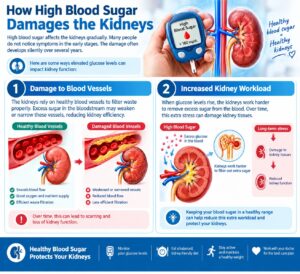 How High Blood Sugar Damages the Kidneys
High blood sugar affects the kidneys gradually. Many people do not notice symptoms in the early stages. The damage often develops silently over several years.
Here are some ways elevated glucose levels can impact kidney function:
1. Damage to Blood Vessels
The kidneys rely on healthy blood vessels to filter waste properly. Excess sugar in the bloodstream may weaken or narrow these vessels, reducing kidney efficiency.
2. Increased Kidney Workload
When glucose levels rise, the kidneys work harder to remove excess sugar from the blood. Over time, this extra stress can damage kidney tissues.
3. Protein Leakage
Healthy kidneys prevent protein from leaking into urine. Kidney damage caused by diabetes may allow protein such as albumin to pass into urine, which is often an early warning sign of CKD.
4. Inflammation and Oxidative Stress
High blood sugar may increase inflammation and oxidative stress inside the body. These factors can contribute to kidney tissue damage over time.
 Warning Signs of Kidney Problems Related to Blood Sugar
Early kidney disease often causes few noticeable symptoms. However, as damage progresses, some people may experience:
- Swelling in feet or ankles
- Frequent urination
- Fatigue
- Difficulty concentrating
- Foamy urine
- High blood pressure
- Trouble sleeping
- Loss of appetite
- Muscle cramps
People with diabetes should regularly monitor kidney function through medical checkups and lab tests.
Why Blood Sugar Control Matters for Kidney Health
Keeping blood sugar within a healthy range may help reduce stress on the kidneys and support overall metabolic health.
Benefits of balanced blood sugar may include:
- Improved circulation
- Better energy levels
- Reduced inflammation
- Healthier blood vessels
- Better kidney support
- Lower risk of complications
Lifestyle habits play a major role in long-term kidney wellness. (blood sugar and kidney disease)
 Best Lifestyle Habits for Supporting Healthy Blood Sugar and Kidneys
Follow a Balanced Diet
A kidney-friendly diet often includes:
- Fresh vegetables
- Low-sugar fruits
- Lean proteins
- Healthy fats
- High-fiber foods
- Reduced sodium intake
Limiting processed foods and sugary beverages may also support metabolic health.
Stay Hydrated
Drinking enough water helps the kidneys filter waste efficiently. However, people with advanced kidney disease should follow their doctor’s hydration recommendations.(blood sugar and kidney disease)
Exercise Regularly
Exercise Regularly Physical activity may help support:
-
Healthy blood sugar levels
-
Weight management
-
Better circulation
-
Reduced inflammation
Recommended Monitoring Tool: Tracking your glucose response before and after exercise is crucial. Devices like the Contour NEXT EZ Diabetes Testing Kit (available on Amazon) provide quick and reliable blood sugar readings to help you adjust your activity and meals safely.
Improve Sleep Quality
Poor sleep may negatively affect blood sugar balance and hormone regulation. Developing healthy nighttime habits may support overall wellness.
Reduce Stress
Chronic stress may influence blood sugar levels and inflammation. Relaxation techniques such as meditation, breathing exercises, and light physical activity can help support emotional and physical health.
 Natural Support for Blood Sugar and Kidney Wellness
Many people explore natural supplements and wellness products to support healthy blood sugar levels as part of a balanced lifestyle.
-
High-Converting Glucose Support: A widely popular option is GlucoTrust (top ClickBank supplement), formulated to promote healthy glucose metabolism, support deep sleep, and reduce sugar cravings.
-
Kidney & Meal Planning Guide: To learn how to structure meals that protect renal blood vessels while balancing sugar, explore The Kidney Disease Solution (digital guide on ClickBank).
-
Physical Amazon Supplement: For daily botanical support, NutraFlourish Blood Sugar Support (available on Amazon) offers a blend of cinnamon, chromium, and berberine for metabolic health.
Can Blood Sugar Improvement Help the Kidneys?
Maintaining healthy glucose levels may help reduce additional strain on the kidneys. While lifestyle changes cannot reverse all kidney damage, they may help support healthier kidney function and slow further complications.(blood sugar and kidney disease)
Healthy habits can also support:
- Better blood pressure balance
- Reduced fluid retention
- Improved circulation
- Lower inflammation levels
The earlier blood sugar management begins, the better the long-term outlook may be.
Foods That May Support Healthy Blood Sugar and Kidney Function
Some foods commonly associated with metabolic and kidney wellness include:
Leafy Greens
Spinach, kale, and cabbage provide antioxidants and nutrients while remaining relatively low in calories.
Berries
Blueberries and strawberries contain antioxidants that may help support overall wellness.
Cinnamon
Cinnamon Often discussed in blood sugar support diets, cinnamon is a popular ingredient in many wellness supplements. Using organic pantry staples like Ceylon Cinnamon Powder by Simply Organic (available on Amazon) lets you flavor oats and smoothies without added sugar or synthetic additives.
Garlic Garlic may support circulation and heart health.
Oats
High-fiber foods like oats may help support healthy glucose balance.
Fatty Fish
Fish rich in omega-3 fatty acids may help support heart and metabolic health. (blood sugar and kidney disease)
Kidney-Friendly Tips for People With Diabetes
If you are concerned about kidney health and blood sugar levels, consider these practical tips:
- Monitor blood glucose consistently
- Stay physically active
- Reduce sugary foods
- Limit excess sodium
- Maintain a healthy weight
- Get regular kidney function tests
- Discuss supplements with your healthcare provider
- Prioritize sleep and stress management
Small daily habits can make a meaningful difference over time.
Common Questions About Blood Sugar and Kidney Disease
Can diabetes cause kidney disease?
Yes. Long-term high blood sugar levels may damage the kidneys over time and increase the risk of chronic kidney disease.
Are kidney problems reversible?
Some early kidney issues may improve with proper medical care and lifestyle adjustments, but advanced kidney damage is often permanent.
What is the best diet for kidney and blood sugar support?
A balanced diet focused on whole foods, reduced sugar, controlled sodium, and healthy protein sources is commonly recommended.
Are supplements helpful?
Some people use wellness supplements as part of a healthy lifestyle. Products like GlucoTrust are marketed for blood sugar support, but supplements should not replace professional medical advice or treatment.
Final Thoughts
The relationship between blood sugar and kidney disease is an important health topic that deserves attention. High blood sugar levels may place significant stress on the kidneys over time, increasing the risk of chronic kidney complications.
Fortunately, healthy lifestyle habits such as balanced nutrition, regular exercise, quality sleep, and proper glucose management may help support both kidney and metabolic health.
For individuals seeking additional wellness support, supplements like GlucoTrust are often explored as part of a broader health strategy focused on maintaining healthy blood sugar levels and overall well-being.
👉 Click Here to Discover GlucoTrust for Natural Blood Sugar Support on ClickBank
By taking proactive steps today, you may help support healthier kidneys and better long-term wellness for years to come.
How Do Electrolytes Relate to Kidney Function? The kidneys play a critical role in balancing key electrolytes in the blood, including sodium, potassium, calcium, and phosphorus. When blood sugar damage or CKD impairs kidney function, the kidneys struggle to excrete excess electrolytes or retain necessary ones. This can lead to complications such as hyperkalemia (dangerously high potassium affecting heart rhythm) or fluid overload from excess sodium. Monitoring electrolyte levels through routine blood panels is essential for anyone managing kidney health.

CKD Online Editorial Team reviews all medical content to ensure accuracy, clarity, and alignment with current clinical guidelines. Articles are updated regularly to reflect the latest evidence-based recommendations.