CKD Online Editorial Team
Last Updated: June 21, 2026 • Reading Time: 6 min
Introduction
If you or a loved one has recently been diagnosed with chronic kidney disease, you may be asking: What is Stage 3B CKD?
Stage 3B Chronic Kidney Disease (CKD) is a moderate-to-severe reduction in kidney function. While the kidneys are still working, they are no longer filtering waste and excess fluids as efficiently as they should.
A diagnosis of Stage 3B CKD can feel overwhelming, but understanding the condition is the first step toward managing it effectively. Many people live for years with Stage 3B CKD by following proper medical advice, making healthy lifestyle changes, and monitoring their kidney health regularly.
In this guide, we’ll explain what Stage 3B CKD means, common symptoms, causes, treatment options, and practical strategies that may help slow disease progression.
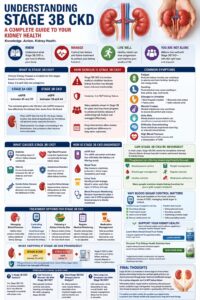 What Is Stage 3B CKD?
Chronic Kidney Disease is divided into five stages based on kidney function.
Stage 3 is split into two categories:
Stage 3A CKD
- eGFR between 45 and 59
Stage 3B CKD
- eGFR between 30 and 44
The estimated glomerular filtration rate (eGFR) measures how effectively the kidneys filter waste from the blood.
When eGFR falls into the 30–44 range, kidney function has declined significantly, but the kidneys still perform many important functions.
At this stage, waste products may begin accumulating in the bloodstream, and symptoms often become more noticeable.
How Serious Is Stage 3B CKD?
Stage 3B CKD is considered a serious medical condition because kidney function has already been reduced substantially.
However, it is important to understand that Stage 3B CKD is not kidney failure.
Many patients remain in Stage 3B for years and may never progress to advanced kidney disease if underlying risk factors are managed effectively.
Early intervention often makes a significant difference in long-term outcomes.
Common Symptoms of Stage 3B CKD
Some individuals experience few symptoms, while others notice several changes.
Common Stage 3B CKD symptoms include:
Fatigue
Reduced kidney function can contribute to anemia and toxin buildup, leading to low energy levels.
Swelling
Fluid retention may cause swelling in:
- Feet
- Ankles
- Legs
- Hands
Changes in Urination
Patients may notice:
- More frequent urination
- Reduced urine output
- Foamy urine
- Dark-colored urine
Muscle Cramps
Mineral imbalances may contribute to muscle discomfort and cramps.
Itchy Skin
Waste product accumulation can sometimes cause persistent itching.
Difficulty Concentrating
Some individuals experience brain fog or reduced concentration.
High Blood Pressure
Hypertension is both a cause and a complication of CKD.
What Causes Stage 3B CKD?
Several conditions can damage the kidneys over time.
Diabetes
Diabetes is the leading cause of chronic kidney disease worldwide.
High blood sugar damages the small blood vessels that help the kidneys filter waste.
High Blood Pressure
Long-term hypertension can gradually damage kidney tissue.
Obesity
Excess body weight increases the risk of diabetes and cardiovascular disease.
Autoimmune Disorders
Conditions such as lupus may directly affect kidney function.
Genetic Kidney Diseases
Certain inherited disorders can increase the likelihood of CKD.
Long-Term Kidney Damage
Repeated kidney infections, kidney stones, or other kidney conditions may contribute to chronic damage.
How Is Stage 3B CKD Diagnosed?
Doctors use several tests to evaluate kidney function.
eGFR Test
The eGFR calculation estimates how efficiently the kidneys are filtering waste.
Blood Tests
Blood tests may measure:
- Creatinine
- Potassium
- Blood sugar
- Cholesterol
Urine Tests
Urine testing helps identify:
- Protein leakage
- Blood in urine
- Signs of kidney damage
Blood Pressure Monitoring
Because hypertension plays a major role in CKD progression, blood pressure is closely monitored.
Can Stage 3B CKD Be Reversed?
In most cases, Stage 3B CKD cannot be completely reversed.
Chronic kidney disease typically involves permanent damage to kidney tissue.
However, progression can often be slowed significantly through:
- Blood pressure control
- Blood sugar management
- Healthy nutrition
- Weight management
- Regular exercise
- Medication adherence
Many people maintain stable kidney function for years with proper treatment.
Treatment Options for Stage 3B CKD
Treatment focuses on protecting remaining kidney function and reducing complications.
Managing Blood Pressure
Healthy blood pressure levels help reduce additional kidney damage.
Controlling Diabetes
Good blood sugar control is one of the most important ways to protect the kidneys.
Following a Kidney-Friendly Diet
Many healthcare providers recommend:
- Reducing sodium intake
- Limiting processed foods
- Choosing lean proteins
- Eating more fresh foods
Regular Medical Monitoring
Routine testing helps identify changes in kidney function and allows treatment plans to be adjusted.
Why Blood Sugar Control Matters
Because diabetes remains the most common cause of CKD, managing blood sugar is critical.
Healthy blood sugar management may help:
- Slow kidney damage
- Protect blood vessels
- Improve overall health
- Reduce cardiovascular risk
Helpful habits include:
- Eating balanced meals
- Exercising regularly
- Maintaining a healthy weight
- Following medical advice
Learn More About GlucoTrust Today
Many individuals interested in supporting healthy blood sugar levels explore natural wellness supplements alongside healthy lifestyle habits.
Learn More About GlucoTrust Today
Supplements should complement, not replace, professional medical care.
Additional Kidney Health Support
Managing Stage 3B CKD often involves a combination of medical treatment, proper nutrition, and healthy lifestyle habits.
Some individuals also explore kidney-focused nutritional resources as part of their wellness routine.
Discover This Kidney Health Solution Here
If you’re interested in learning more about kidney wellness support, Discover This Kidney Health Solution Here.
Always consult your healthcare provider before starting any supplement, particularly if you have chronic kidney disease.
What Happens If Stage 3B CKD Progresses?
Without proper management, Stage 3B CKD may progress to:
Stage 4 CKD
eGFR between 15 and 29.
Stage 5 CKD
eGFR below 15.
Stage 5 CKD is often referred to as kidney failure and may require dialysis or kidney transplantation.
The good news is that many people never reach these stages when risk factors are managed effectively.
Frequently Asked Questions
Is Stage 3B CKD Serious?
Yes, Stage 3B CKD is a serious condition, but it can often be managed successfully with proper care.
Can You Live a Normal Life With Stage 3B CKD?
Many people continue working, exercising, traveling, and enjoying life while managing Stage 3B CKD.
Does Stage 3B CKD Always Lead to Dialysis?
No. Many patients never require dialysis, especially when treatment begins early and risk factors are controlled.
How Long Can Someone Live With Stage 3B CKD?
Life expectancy varies depending on age, overall health, and disease management. Many individuals live for years or decades after diagnosis.
Final Thoughts
So, what is Stage 3B CKD? It is a moderate-to-severe stage of chronic kidney disease where kidney function has declined significantly but can often be preserved through proper treatment and lifestyle changes.
While Stage 3B CKD is a serious diagnosis, it is not kidney failure. With healthy habits, regular medical monitoring, blood pressure control, and blood sugar management, many people successfully slow disease progression and maintain a good quality of life for years.
The earlier you take action, the greater your opportunity to protect your kidney health and support your long-term well-being.
what is chronic kidney disease stage 3b

CKD Online Editorial Team reviews all medical content to ensure accuracy, clarity, and alignment with current clinical guidelines. Articles are updated regularly to reflect the latest evidence-based recommendations.