CKD Online Editorial Team
Last Updated: May 25, 2026 • Reading Time: 6 min
Chronic kidney disease (CKD) affects millions of people worldwide, and many patients first become concerned when they hear the diagnosis “stage 3B kidney disease.” If you or a loved one recently received this diagnosis, you may be asking: what does stage 3B kidney disease mean, and how serious is it?
Stage 3B kidney disease means your kidneys are functioning at a significantly reduced level, but they are still working well enough that dialysis is usually not required. At this stage, medical treatment, healthy lifestyle changes, and early intervention can help slow disease progression and improve quality of life.
According to the National Kidney Foundation, stage 3B CKD occurs when the estimated glomerular filtration rate (eGFR) falls between 30 and 44 for at least three months.
Understanding Stage 3B Kidney Disease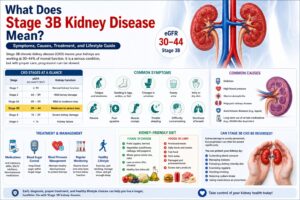
Kidney disease is divided into five stages based on kidney function. The lower your eGFR number, the less effectively your kidneys filter waste and excess fluid from the blood.
The stages include:
- Stage 1: Normal kidney function with mild damage
- Stage 2: Mild loss of kidney function
- Stage 3A: Mild to moderate kidney damage
- Stage 3B: Moderate to severe kidney damage
- Stage 4: Severe kidney damage
- Stage 5: Kidney failure
For stage 3B kidney disease:
30 ≤ eGFR ≤ 44
At this stage, kidney function is significantly reduced, and waste products can begin building up in the body.
Is Stage 3B Kidney Disease Serious?
Yes, stage 3B CKD is considered serious because the kidneys are no longer functioning efficiently. However, it does not automatically mean kidney failure is imminent.
Many people remain stable in stage 3B for years by managing underlying conditions such as diabetes and high blood pressure while following a kidney-friendly lifestyle.
Community experiences shared online also show that progression varies widely between individuals. Some patients maintain stable kidney function for 10 years or longer through diet changes, medication, hydration, and regular monitoring.
The key is early treatment and consistency.
Common Symptoms of Stage 3B Kidney Disease
Symptoms often become more noticeable during stage 3B CKD because toxins and fluids start accumulating in the body.
Common symptoms include:
- Fatigue and weakness
- Swelling in the legs, feet, ankles, or hands
- Changes in urination
- Foamy urine
- Muscle cramps
- Dry or itchy skin
- Poor appetite
- Nausea
- Difficulty concentrating
- Trouble sleeping
- Shortness of breath
Some patients also develop complications such as:
- High blood pressure
- Anemia
- Bone disorders
- Electrolyte imbalances
The National Kidney Foundation notes that symptoms may become more apparent during stage 3B due to worsening filtration problems.
What Causes Stage 3B Kidney Disease?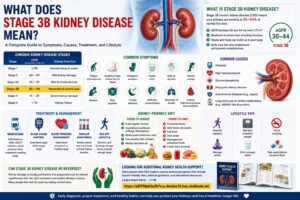
Several medical conditions can gradually damage the kidneys over time.
Diabetes
Diabetes is one of the leading causes of CKD. High blood sugar damages the small blood vessels inside the kidneys.
High Blood Pressure
Uncontrolled hypertension places extra stress on kidney tissues and accelerates kidney damage.
Glomerulonephritis
This condition causes inflammation in the filtering units of the kidneys.
Polycystic Kidney Disease
A genetic condition that causes cysts to grow inside the kidneys.
Autoimmune Diseases
Diseases such as lupus may attack kidney tissue and impair kidney function.
Long-Term NSAID Use
Frequent use of pain relievers such as ibuprofen or naproxen may contribute to kidney damage over time.
How Doctors Diagnose Stage 3B CKD
Doctors use several tests to diagnose kidney disease and determine its stage.
Blood Tests
Blood tests measure creatinine levels and estimate eGFR.
Urine Tests
Urine testing helps detect protein leakage, which is often a sign of kidney damage.
Imaging Tests
Ultrasounds or CT scans may reveal structural abnormalities.
Blood Pressure Monitoring
High blood pressure is closely linked to CKD progression.
Kidney Biopsy
In some cases, doctors may remove a small tissue sample to identify the underlying cause of kidney damage.
Can Stage 3B Kidney Disease Be Reversed?
One of the most common questions patients ask is whether stage 3B kidney disease can be reversed.
Unfortunately, chronic kidney damage is usually permanent. However, progression can often be slowed dramatically through medical treatment and lifestyle changes.
Many patients maintain stable kidney function for years by:
- Controlling blood pressure
- Managing blood sugar
- Following a kidney-friendly diet
- Exercising regularly
- Avoiding smoking
- Reducing sodium intake
- Staying hydrated
Proper management may reduce the risk of progressing to stage 4 or stage 5 kidney disease.
Treatment for Stage 3B Kidney Disease
Treatment focuses on slowing disease progression and preventing complications.
Blood Pressure Medications
Doctors commonly prescribe:
- ACE inhibitors
- ARBs
- SGLT2 inhibitors
These medications may help protect remaining kidney function.
Blood Sugar Control
Managing diabetes is essential for slowing CKD progression.
Cholesterol Management
Patients with CKD often have a higher risk of cardiovascular disease, so cholesterol-lowering medications may also be recommended.
Routine Monitoring
Regular blood and urine testing help doctors monitor kidney function and adjust treatment plans.
Best Diet for Stage 3B Kidney Disease
Diet plays a major role in kidney health.
Many kidney specialists recommend:
- Reducing sodium intake
- Limiting processed foods
- Managing protein intake
- Monitoring potassium levels
- Limiting phosphorus-rich foods
- Drinking appropriate amounts of fluids
Foods Often Recommended
- Apples
- Berries
- Cauliflower
- Olive oil
- White rice
- Fish
- Lean chicken
- Fresh vegetables
Foods Often Limited
- Processed meats
- Fast food
- Salty snacks
- Dark sodas
- Packaged foods
- Excess dairy products
Working with a renal dietitian can help create a personalized nutrition plan.
Lifestyle Changes That Can Help
Healthy lifestyle habits may improve overall kidney health and reduce complications.
Exercise Regularly
Moderate physical activity helps maintain healthy blood pressure and body weight.
Quit Smoking
Smoking accelerates kidney damage and increases heart disease risk.
Maintain a Healthy Weight
Obesity increases the risk of diabetes and hypertension.
Avoid Harmful Medications
NSAID pain relievers can worsen kidney function and should be used cautiously.
Manage Stress
Stress management and quality sleep are important for long-term health.
Life Expectancy With Stage 3B Kidney Disease
Life expectancy varies depending on several factors:
- Age
- Blood pressure control
- Diabetes management
- Diet
- Smoking status
- Overall health
- Access to treatment
Many people with stage 3B kidney disease continue living active and productive lives for years after diagnosis.
Research and patient experiences show that some individuals remain stable for a decade or more when they actively manage the condition.
When Should You See a Kidney Specialist?
You should consult a nephrologist if you experience:
- Persistent swelling
- High blood pressure
- Abnormal blood or urine tests
- Family history of kidney disease
- Fatigue or weakness
- Changes in urination
Early intervention can significantly improve long-term outcomes.
Natural Kidney Support Options
Many people with CKD also explore natural wellness programs alongside professional medical treatment.
One popular kidney health program is:
👉 https://e3f798p63u7k7vcu-8ebijxs15.hop.clickbank.net
This program focuses on kidney-friendly nutrition, healthy lifestyle habits, and natural support strategies designed to complement medical care.
While natural programs should never replace professional treatment, many CKD patients use them as part of a broader kidney health plan.
Final Thoughts
So, what does stage 3B kidney disease mean?
It means your kidneys have moderate to severe damage and are functioning at a reduced level. While the condition is serious, it does not necessarily mean immediate kidney failure or dialysis.
With proper medical care, healthy lifestyle choices, blood pressure control, diabetes management, and kidney-friendly nutrition, many people can slow disease progression and maintain a good quality of life for years.
Understanding your condition is one of the most important steps toward protecting your long-term kidney health.

CKD Online Editorial Team reviews all medical content to ensure accuracy, clarity, and alignment with current clinical guidelines. Articles are updated regularly to reflect the latest evidence-based recommendations.