
CKD Online Editorial Team
Last Updated: October 11, 2026 • Reading Time: 6 min
Introduction
Chronic kidney disease (CKD) is a long-term condition that affects how well the kidneys filter waste and excess fluids from the body. According to health experts, millions of people worldwide are living with some form of CKD, often without realizing it during the early stages.
One of the most common questions patients ask after diagnosis is: What are the treatment options for chronic kidney disease (CKD)?
While CKD cannot usually be cured, there are many effective treatments that can help slow disease progression, manage symptoms, reduce complications, and improve quality of life. The earlier treatment begins, the better the chances of preserving kidney function.
This guide explores the most common treatment options for CKD and explains how patients can take an active role in managing their kidney health.
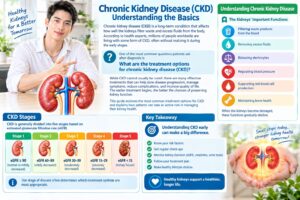 Understanding Chronic Kidney Disease
The kidneys perform several important functions, including:
- Filtering waste products from the blood
- Removing excess fluids
- Balancing electrolytes
- Regulating blood pressure
- Supporting red blood cell production
- Maintaining bone health
When the kidneys become damaged, these functions gradually decline.
CKD is generally divided into five stages based on estimated glomerular filtration rate (eGFR).
The stage of disease often determines which treatment options are most appropriate.
Goals of CKD Treatment
The primary goals of chronic kidney disease treatment include:
- Slowing kidney damage
- Preserving remaining kidney function
- Managing symptoms
- Treating underlying conditions
- Preventing complications
- Improving overall health and quality of life
Treatment plans are typically individualized based on the patient’s health status and disease stage.
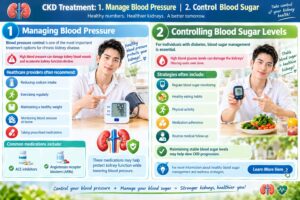 1. Managing Blood Pressure
Blood pressure control is one of the most important treatment options for chronic kidney disease.
High blood pressure can damage kidney blood vessels and accelerate kidney function decline.
Healthcare providers often recommend:
- Reducing sodium intake
- Exercising regularly
- Maintaining a healthy weight
- Monitoring blood pressure at home
- Taking prescribed medications
Common medications include:
- ACE inhibitors
- Angiotensin receptor blockers (ARBs)
These medications may help protect kidney function while lowering blood pressure.
2. Controlling Blood Sugar Levels
For individuals with diabetes, blood sugar management is essential.
High blood glucose levels can damage the kidneys’ filtering units over time.
Strategies often include:
- Regular blood sugar monitoring
- Healthy eating habits
- Physical activity
- Medication adherence
- Routine medical follow-up
Maintaining stable blood sugar levels may help slow CKD progression.
For more information about healthy blood sugar management and wellness strategies, [Learn More Here].
 3. Following a Kidney-Friendly Diet
Dietary changes are among the most effective treatment options for CKD.
A kidney-friendly diet helps reduce stress on the kidneys while supporting overall health.
Reduce Sodium
Limiting sodium may help:
- Lower blood pressure
- Reduce swelling
- Minimize fluid retention
Moderate Protein Intake
Excessive protein intake can increase kidney workload.
Healthcare providers often recommend individualized protein goals.
Monitor Potassium
Some CKD patients may need to limit potassium-rich foods depending on kidney function.
Control Phosphorus
High phosphorus levels may contribute to:
- Bone problems
- Heart complications
- Mineral imbalances
A registered dietitian can help create a personalized meal plan.
To explore additional resources related to kidney-friendly nutrition, [Discover More].
4. Maintaining a Healthy Weight
Weight management can play a significant role in CKD treatment.
Benefits may include:
- Improved blood pressure control
- Better insulin sensitivity
- Reduced inflammation
- Lower cardiovascular risk
Even modest weight loss can positively affect kidney health.
 5. Staying Physically Active
Regular exercise provides numerous benefits for people with CKD.
Potential advantages include:
- Better circulation
- Improved cardiovascular health
- Increased energy
- Weight management
- Enhanced mental well-being
Examples of suitable activities include:
- Walking
- Swimming
- Cycling
- Yoga
- Stretching exercises
Patients should discuss exercise plans with their healthcare provider.
6. Medication Therapy
Various medications may be used to manage CKD and its complications.
Blood Pressure Medications
Used to protect kidney function and reduce cardiovascular risk.
Cholesterol Medications
May help reduce the risk of heart disease.
Diuretics
Can help manage swelling and excess fluid retention.
Blood Sugar Medications
Important for patients with diabetes.
Medication plans should always be guided by healthcare professionals.
7. Treating Anemia
Anemia is a common complication of chronic kidney disease.
Symptoms may include:
- Fatigue
- Weakness
- Dizziness
- Shortness of breath
Treatment options may involve:
- Iron supplements
- Dietary adjustments
- Prescription therapies
Managing anemia can improve energy levels and quality of life.
8. Managing Bone and Mineral Disorders
Kidney disease can affect calcium, phosphorus, and vitamin D balance.
Potential complications include:
- Bone weakness
- Fractures
- Mineral imbalances
Treatment may include:
- Nutritional changes
- Vitamin D supplementation
- Prescribed medications
Regular monitoring helps reduce long-term risks.
9. Avoiding Kidney-Damaging Habits
Protecting kidney function involves avoiding factors that may worsen kidney damage.
These include:
- Smoking
- Excessive alcohol consumption
- Certain over-the-counter pain medications
- Unapproved supplements
Patients should consult healthcare providers before taking new medications or supplements.
10. Routine Monitoring and Follow-Up Care
Regular medical monitoring helps healthcare providers evaluate kidney health and adjust treatment plans as needed.
Important assessments include:
- eGFR testing
- Creatinine levels
- Urine protein testing
- Blood pressure monitoring
- Blood sugar monitoring
Ongoing medical care plays a vital role in managing CKD successfully.
Individuals interested in additional kidney health education and wellness resources can [Click Here to Learn More].
Advanced Treatment Options for CKD
As chronic kidney disease progresses, additional treatments may become necessary.
Dialysis
Dialysis helps remove waste products and excess fluids when the kidneys can no longer function effectively.
The two primary types include:
- Hemodialysis
- Peritoneal dialysis
Kidney Transplant
For eligible patients with advanced kidney failure, kidney transplantation may provide the best long-term solution.
Benefits may include:
- Improved quality of life
- Greater independence
- Freedom from routine dialysis treatments
Can CKD Progression Be Slowed?
Although most forms of chronic kidney disease cannot be completely cured, progression can often be slowed significantly.
Successful management typically includes:
- Blood pressure control
- Blood sugar management
- Healthy eating habits
- Physical activity
- Medication adherence
- Regular medical monitoring
Early intervention remains one of the most effective ways to preserve kidney function.
Frequently Asked Questions
What is the most important treatment for CKD?
Managing blood pressure and controlling underlying conditions such as diabetes are among the most important treatment strategies.
Can CKD be reversed?
Most chronic kidney disease cannot be completely reversed, but progression can often be slowed.
Does everyone with CKD need dialysis?
No. Many individuals with early or moderate CKD never require dialysis if their condition is managed effectively.
Can diet improve kidney health?
A kidney-friendly diet can help support kidney function and reduce complications.
Stage 3 kidney disease elderly
Conclusion
So, what are the treatment options for chronic kidney disease (CKD)? Effective treatment usually involves a combination of medical management, dietary improvements, lifestyle changes, and ongoing monitoring. By controlling blood pressure, managing blood sugar, maintaining a healthy weight, and working closely with healthcare providers, many individuals can slow disease progression and maintain a good quality of life.
The key to successful CKD management is early action, consistent care, and informed decision-making. With the right treatment plan, patients can take meaningful steps toward protecting their kidney function and supporting their long-term health.
If you would like to continue learning about kidney health, nutrition, and wellness strategies, [Find Out More Here].

CKD Online Editorial Team reviews all medical content to ensure accuracy, clarity, and alignment with current clinical guidelines. Articles are updated regularly to reflect the latest evidence-based recommendations.