CKD Online Editorial Team
Last Updated: September 1, 2026 • Reading Time: 4 min
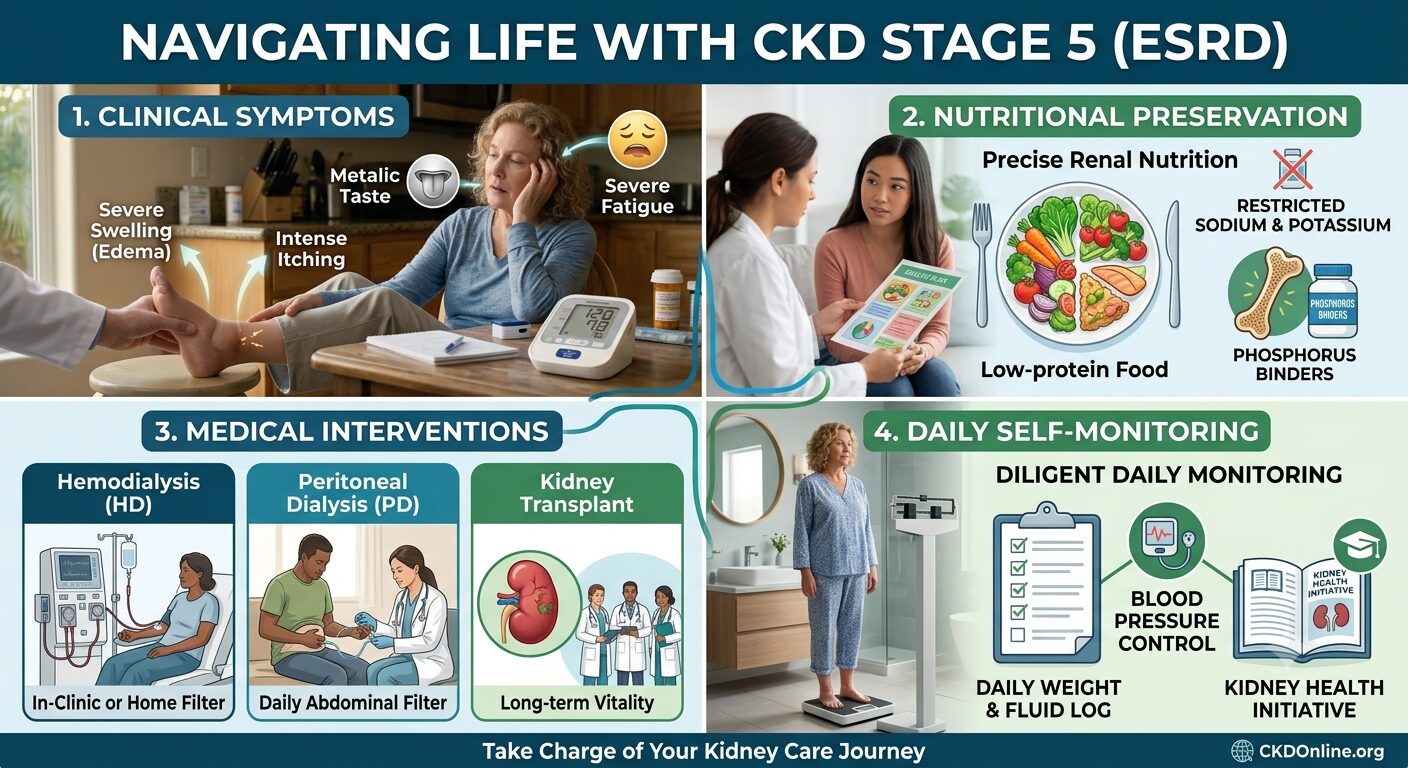
A diagnosis of ckd stage 5 represents End-Stage Renal Disease (ESRD), the final phase of Chronic Kidney Disease. At this advanced level, your estimated Glomerular Filtration Rate (eGFR) drops below 15 mL/min, indicating that your kidneys have lost nearly all their filtering capability. While facing ckd stage 5 requires significant medical adaptation, active clinical intervention, structured nutrition, and holistic care pathways can help maintain your comfort, preserve vitality, and guide you through renal replacement therapies.
Navigating life with ckd stage 5 involves understanding your medical choices, managing systemic complications, and making well-informed decisions for your daily wellness.
 1. Recognizing Clinical Symptoms of CKD Stage 5
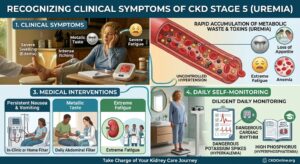
Because kidney function is severely reduced in ckd stage 5, metabolic waste products, toxins, and excess water accumulate rapidly in the bloodstream (uremia). Common signs include:
-
Severe Uremic Symptoms: Persistent nausea, vomiting, metallic taste in the mouth, loss of appetite, and intense skin itching (pruritus).
-
Fluid Overload (Edema): Pronounced swelling in the feet, ankles, legs, face, or abdomen, often leading to shortness of breath due to fluid accumulation in the lungs.
-
Extreme Fatigue and Anemia: Lower erythropoietin (EPO) synthesis causes significant reductions in red blood cells.
-
Electrolyte & Blood Pressure Anomalies: Dangerous spikes in serum potassium (hyperkalemia) and phosphorus, alongside difficult-to-control hypertension.
Identifying these signs immediately allows your nephrology team to tailor active medical therapies and dialysis schedules.
 2. Dietary Modifications and Nutritional Preservation
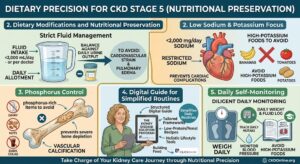
Dietary precision remains essential during ckd stage 5 to minimize toxic waste buildup and keep mineral levels within safe limits:
-
Strict Fluid Management: Fluid intake must be carefully balanced against daily urine output to avoid cardiovascular strain and pulmonary edema.
-
Low Sodium & Potassium Focus: Restricting sodium (<2,000 mg/day) and avoiding high-potassium foods (bananas, tomatoes, potatoes) prevents cardiac complications.
-
Phosphorus Control: Avoiding phosphorus-rich items (dairy, nuts, dark colas) helps prevent severe bone depletion and vascular calcification.
Navigating complex nutritional guidelines can be overwhelming for patients and caregivers. To simplify daily routines, many patients utilize structured digital guides like The Kidney Disease Solution Program (ClickBank). This digital protocol provides tailored meal frameworks, low-protein/renal recipes, and holistic lifestyle management tools designed to support body strength alongside standard clinical treatments.
3. Medical Interventions and Renal Replacement Options
Managing ckd stage 5 focuses directly on replacing lost kidney function or delivering conservative symptom relief:
-
Hemodialysis (HD): Uses a machine to filter blood outside the body, typically performed three times a week at a clinic or home after an AV fistula matures.
-
Peritoneal Dialysis (PD): Uses the lining of your abdomen (peritoneum) to filter blood daily at home via a surgically placed catheter.
-
Kidney Transplantation: A surgical placement of a healthy donor kidney, providing the highest quality of life and long-term outcomes when suitable.
-
Targeted Botanical Support: Some patients under non-dialysis or conservative protocols incorporate specialized supplements. Natural formulas like NutraKidney Herbal Wellness Formula (ClickBank) offer botanical nutrients focused on urinary tract comfort and general vitality under physician oversight.
4. Daily Home Self-Monitoring and Conservative Care
For patients evaluating active renal replacement or pursuing non-dialysis conservative management, consistent daily tracking is indispensable:
-
Daily Weight and Fluid Tracking: Catch sudden fluid buildup early by weighing yourself every morning.
-
Blood Pressure Control: Keep arterial pressure strictly monitored to lower cardiovascular risk.
-
Holistic Education: Gaining clarity through educational resources—such as The Kidney Health Initiative eBook (ClickBank)—helps patients navigate symptom management, palliative options, and emotional well-being.
Take Charge of Your Kidney Care Journey
Living with ckd stage 5 requires close collaboration with your nephrologist and healthcare team. By combining clinical treatments, precise renal nutrition, diligent daily monitoring, and evidence-based supportive guides, you can take active control of your comfort and health journey.
For more medical articles, diet plans, and patient resources, explore our library at CKDOnline.org.

CKD Online Editorial Team reviews all medical content to ensure accuracy, clarity, and alignment with current clinical guidelines. Articles are updated regularly to reflect the latest evidence-based recommendations.