
CKD Online Editorial Team
Last Updated: August 19, 2026 • Reading Time: 4 min
Receiving a Stage 3 Chronic Kidney Disease (CKD) diagnosis is a pivotal moment in a patient’s health journey. At Stage 3, your estimated Glomerular Filtration Rate (eGFR) falls between 30 and 59 mL/min, meaning your kidneys have mild to moderate damage. While this stage indicates significant impairment, it is also the most critical window of opportunity to prevent disease progression.
Understanding your treatment options for stage 3 kidney disease empowers you to slow down kidney damage, manage symptoms, and avoid reaching end-stage renal disease (ESRD). This guide explores evidence-based medical treatments, dietary shifts, and essential lifestyle modifications tailored for Stage 3 CKD.
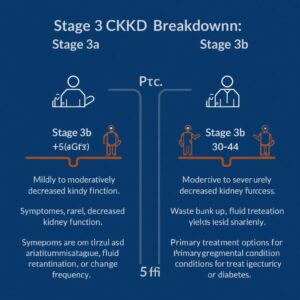 1. Stage 3 CKD Breakdown: Stage 3a vs. Stage 3b
Medical professionals divide Stage 3 into two sub-stages to tailor treatment plans more accurately:
-
Stage 3a (eGFR 45–59): Mildly to moderately decreased kidney function. Symptoms are rare, but early treatment yields high success.
-
Stage 3b (eGFR 30–44): Moderately to severely decreased kidney function. Waste build-up may trigger mild fatigue, fluid retention, or changes in urine frequency.
Regardless of whether you are in Stage 3a or 3b, primary treatment options for stage 3 kidney disease aim to treat underlying conditions like hypertension or diabetes.
2. Dietary Modifications: The Core Foundation
Nutrition is arguably the single most impactful lever in managing Stage 3 CKD. Adjusting your diet reduces the workload on your nephrons (filtering units).
-
Sodium and Fluid Control: Keeping daily sodium intake under 2,000 mg helps prevent hypertension and fluid retention.
-
Protein Management: Moderate protein intake prevents excess urea build-up in the bloodstream.
-
Potassium & Phosphorus Monitoring: Depending on lab results, restricting high-potassium foods (bananas, tomatoes) and high-phosphorus foods (dairy, processed meats) protects heart and bone health.
To simplify daily meal preparation and ensure dietary compliance, many patients use structured cooking guides such as the Renal Diet Cookbook for Beginners on Amazon. For those looking for a complete natural lifestyle protocol, digital programs like The Kidney Disease Solution Program (ClickBank) offer comprehensive holistic guidance alongside standard medical advice.
 3. Pharmacotherapy: Medical Options for Stage 3 CKD
Prescription medications form the medical backbone of treatment options for stage 3 kidney disease. Nephrologists frequently prescribe:
-
ACE Inhibitors and ARBs: Medications such as lisinopril or losartan lower blood pressure and protect kidney micro-vessels from pressure damage.
-
SGLT2 Inhibitors: Modern clinical guidelines strongly recommend SGLT2 inhibitors (e.g., empagliflozin) to delay CKD progression in both diabetic and non-diabetic patients.
-
Phosphate Binders & Vitamin D Analogs: Prescribed if blood tests reveal elevated phosphorus or vitamin D deficiencies.
In addition to prescription drugs, targeted over-the-counter support can help meet specific nutritional gaps. Doctors often approve specialized Renal-Friendly Multivitamin Supplements on Amazon (formulated without dangerous levels of potassium or phosphorus) or organic support formulas like NutraKidney Herbal Wellness Formula (ClickBank) to foster overall urinary health.
4. Home Monitoring & Daily Lifestyle Habits
Active self-monitoring allows patients to catch warning signs before complications escalate. Implementing regular home measurements is key to evaluating whether your treatment options for stage 3 kidney disease are effective.
-
Blood Pressure Control: Target blood pressure should remain below 130/80 mmHg.
-
Fluid and Weight Management: Sudden weight gain often signals fluid retention (edema).
-
Exercise and Smoking Cessation: Moderate physical activity improves cardiovascular health, while quitting smoking stops arterial hardening.
Having reliable diagnostic tools at home makes this monitoring effortless. Equipping yourself with an Omron Upper Arm Blood Pressure Monitor on Amazon and a precision Digital Medical Weight Scale on Amazon ensures accurate daily tracking for your physician reviews.
5. Partnering with Your Nephrologist
Managing Stage 3 CKD requires ongoing medical oversight. You should meet with a nephrologist every 3 to 6 months for routine blood tests (eGFR, serum creatinine, BUN) and urine tests (albumin-to-creatinine ratio).
By combining professional medical care, strict dietary adjustments, and proven home health tools, many Stage 3 patients successfully stabilize their condition for decades without ever progressing to dialysis.
For more patient guides, scientific updates, and lifestyle advice, explore our health library at CKDOnline.org.

CKD Online Editorial Team reviews all medical content to ensure accuracy, clarity, and alignment with current clinical guidelines. Articles are updated regularly to reflect the latest evidence-based recommendations.