CKD Online Editorial Team
Last Updated: August 4, 2026 • Reading Time: 7 min
Stage 4 kidney disease prognosis is a topic that concerns millions of people worldwide who are living with chronic kidney disease (CKD). Receiving a diagnosis of stage 4 kidney disease can feel overwhelming because it means the kidneys are severely damaged and functioning at a much lower capacity than normal. However, understanding the prognosis, treatment options, and lifestyle strategies can help patients make informed decisions and improve their quality of life.
In this article, we will explore everything you need to know about stage 4 kidney disease prognosis, including symptoms, life expectancy, treatment approaches, dietary recommendations, and natural support solutions that may help support kidney health.
 What Is Stage 4 Kidney Disease?
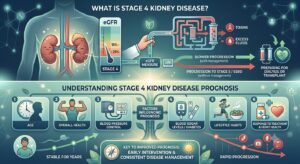
Stage 4 kidney disease is an advanced stage of chronic kidney disease where the kidneys operate at only 15% to 29% of their normal function. Doctors determine this stage based on the estimated glomerular filtration rate (eGFR), which measures how effectively the kidneys filter waste from the blood.
At stage 4, the kidneys can no longer efficiently remove toxins and excess fluids from the body. Without proper management, the condition may progress to stage 5 kidney failure, also known as end-stage renal disease (ESRD).
Many people diagnosed with stage 4 kidney disease begin preparing for possible dialysis or kidney transplantation while also working to slow further kidney damage.
 Understanding Stage 4 Kidney Disease Prognosis
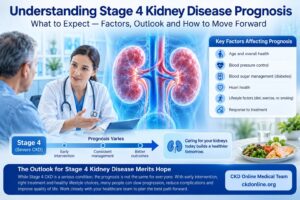
The prognosis for stage 4 kidney disease varies greatly from person to person. Several factors influence how quickly the disease progresses, including:
- Age
- Overall health
- Blood pressure control
- Blood sugar levels
- Lifestyle habits
- Presence of diabetes
- Heart health
- Response to treatment
Some individuals may remain stable in stage 4 for several years, while others may progress more rapidly to kidney failure.
The key to improving stage 4 kidney disease prognosis is early intervention and consistent disease management.
Common Symptoms of Stage 4 Kidney Disease
As kidney function declines, symptoms often become more noticeable. Common symptoms include:
- Chronic fatigue
- Swelling in the legs and ankles
- Nausea and vomiting
- Loss of appetite
- Difficulty concentrating
- Shortness of breath
- High blood pressure
- Changes in urination
- Muscle cramps
- Sleep disturbances
- Persistent itching
These symptoms occur because waste products and excess fluid build up in the bloodstream when the kidneys cannot function properly.
 Life Expectancy with Stage 4 Kidney Disease
One of the most common questions patients ask is about life expectancy. Unfortunately, there is no single answer because every case is different.
Many people with stage 4 kidney disease live for years with proper treatment and lifestyle adjustments. Some patients stabilize their kidney function and delay dialysis for a long time.
Factors that may improve life expectancy include:
- Strict blood pressure control
- Managing diabetes effectively
- Maintaining a healthy weight
- Following a kidney-friendly diet
- Avoiding smoking
- Staying physically active
- Regular medical monitoring
Patients who actively manage their condition often experience a better prognosis than those who ignore symptoms or delay treatment.
 Main Causes of Stage 4 Kidney Disease
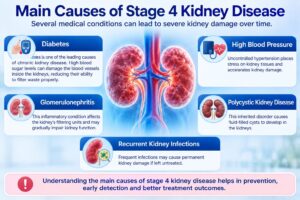
Several medical conditions can lead to severe kidney damage over time.
Diabetes
Diabetes is one of the leading causes of chronic kidney disease. High blood sugar levels can damage the blood vessels inside the kidneys, reducing their ability to filter waste properly.
High Blood Pressure
Uncontrolled hypertension places stress on kidney tissues and accelerates kidney damage.
Glomerulonephritis
This inflammatory condition affects the kidney’s filtering units and may gradually impair kidney function.
Polycystic Kidney Disease
This inherited disorder causes fluid-filled cysts to develop in the kidneys.
Recurrent Kidney Infections
Frequent infections may cause permanent kidney damage if left untreated.
Treatment Options for Stage 4 Kidney Disease
Although there is no complete cure for advanced chronic kidney disease, several treatments may help slow progression and improve quality of life.
Blood Pressure Management Controlling blood pressure is one of the most important aspects of treatment. Doctors often prescribe medications such as ACE inhibitors or ARBs to help protect kidney function. Additionally, many patients explore natural daily protocols to support healthy blood pressure levels alongside their treatment.
Diabetes Control
People with diabetes must carefully monitor blood sugar levels to reduce further kidney damage.
Dietary Modifications
A kidney-friendly diet can reduce stress on the kidneys. Doctors often recommend:
- Lower sodium intake
- Controlled protein consumption
- Limiting phosphorus-rich foods
- Monitoring potassium intake
- Avoiding processed foods
Medications
Patients may receive medications for:
- Anemia
- Bone health
- Swelling
- High cholesterol
- Electrolyte imbalances
Dialysis Planning
Stage 4 kidney disease often involves preparing for dialysis in case kidney function continues to decline.
The Role of Blood Sugar in Kidney Disease Prognosis
Blood sugar management plays a major role in stage 4 kidney disease prognosis, especially for diabetic patients. Elevated glucose levels can worsen kidney damage and increase the risk of cardiovascular complications.
In addition to medical care and dietary changes, some individuals explore natural blood sugar support supplements to complement their wellness routines.
One supplement that has gained attention is GlucoTrust, a natural formula designed to support healthy blood sugar levels, reduce sugar cravings, and improve sleep quality. Its formula includes ingredients such as Gymnema Sylvestre, cinnamon, chromium, and biotin, which are commonly associated with metabolic support.
👉 Click Here to Learn More on the GlucoTrust Official Website
Natural Support for Kidney Health
Many people living with stage 4 kidney disease seek additional educational resources and natural wellness strategies that may help support kidney health alongside medical treatment.
One popular resource is The Kidney Disease Solution, a comprehensive program focused on nutrition, kidney-friendly meal planning, lifestyle adjustments, and natural wellness strategies for individuals dealing with chronic kidney problems.
👉 Explore The Kidney Disease Solution Program Here
The program provides information about:
- Kidney-friendly foods
- Detox strategies
- Lifestyle recommendations
- Nutritional guidance
- Daily wellness habits
Many users find these educational resources helpful for improving their understanding of kidney health management.
You can explore The Kidney Disease Solution here:
The Kidney Disease Solution Program
Foods to Avoid with Stage 4 Kidney Disease
Diet is one of the most important factors influencing stage 4 kidney disease prognosis.
Patients are often advised to limit or avoid:
- Fast food
- Salty snacks
- Processed meats
- Sugary beverages
- Excess dairy products
- High-potassium foods
- High-phosphorus foods
Instead, healthcare providers may recommend fresh vegetables, low-sodium meals, healthy fats, and moderate portions of high-quality protein stage 4 kidney disease prognosis.
Emotional and Mental Health Challenges
Living with stage 4 kidney disease can affect mental and emotional well-being. Many patients experience anxiety, stress, or depression after diagnosis.
Support groups, counseling, and family support can help patients cope with emotional challenges. Staying informed and actively participating in treatment decisions may also improve emotional resilience.
Can Stage 4 Kidney Disease Be Reversed?
In most cases, severe kidney damage cannot be fully reversed. However, progression can sometimes be slowed significantly through proper medical care and lifestyle management.
Some patients maintain stable kidney function for years by:
- Following medical advice
- Eating a kidney-friendly diet
- Controlling diabetes and blood pressure
- Staying physically active
- Avoiding harmful habits like smoking
The earlier treatment begins, the better the chances of slowing disease progression stage 4 kidney disease prognosis.
Warning Signs That Require Immediate Medical Attention
Patients with stage 4 kidney disease should seek medical care immediately if they experience:
- Severe shortness of breath
- Chest pain
- Confusion
- Sudden swelling
- Severe fatigue
- Extremely high blood pressure
- Decreased urination
Prompt medical attention may help prevent life-threatening complications.
Tips to Improve Stage 4 Kidney Disease Prognosis
While every patient’s situation is unique, several healthy habits may support long-term kidney health:
Stay Hydrated
Proper hydration supports kidney function, although fluid intake recommendations should follow a doctor’s guidance stage 4 kidney disease prognosis.
Exercise Regularly
Moderate physical activity can improve heart health and circulation.
Avoid Smoking
Smoking accelerates blood vessel damage and increases kidney disease progression risk.
Monitor Blood Pressure
Consistent monitoring helps reduce strain on the kidneys.
Reduce Stress
Chronic stress can negatively affect overall health and blood pressure.
How is Stage 3 kidney failure treated?
Final Thoughts
Stage 4 kidney disease prognosis depends on many factors, including overall health, medical treatment, lifestyle habits, and disease management. Although stage 4 kidney disease is serious, many people successfully manage their condition and maintain a good quality of life for years.
Controlling blood pressure, balancing blood sugar, following a kidney-friendly diet, and maintaining healthy daily habits are essential steps in protecting remaining kidney function.
Some individuals also explore supportive wellness resources like The Kidney Disease Solution and metabolic health supplements such as GlucoTrust as part of their broader wellness strategy.
To learn more, visit:

CKD Online Editorial Team reviews all medical content to ensure accuracy, clarity, and alignment with current clinical guidelines. Articles are updated regularly to reflect the latest evidence-based recommendations.