CKD Online Editorial Team
Last Updated: August 6, 2026 • Reading Time: 8 min
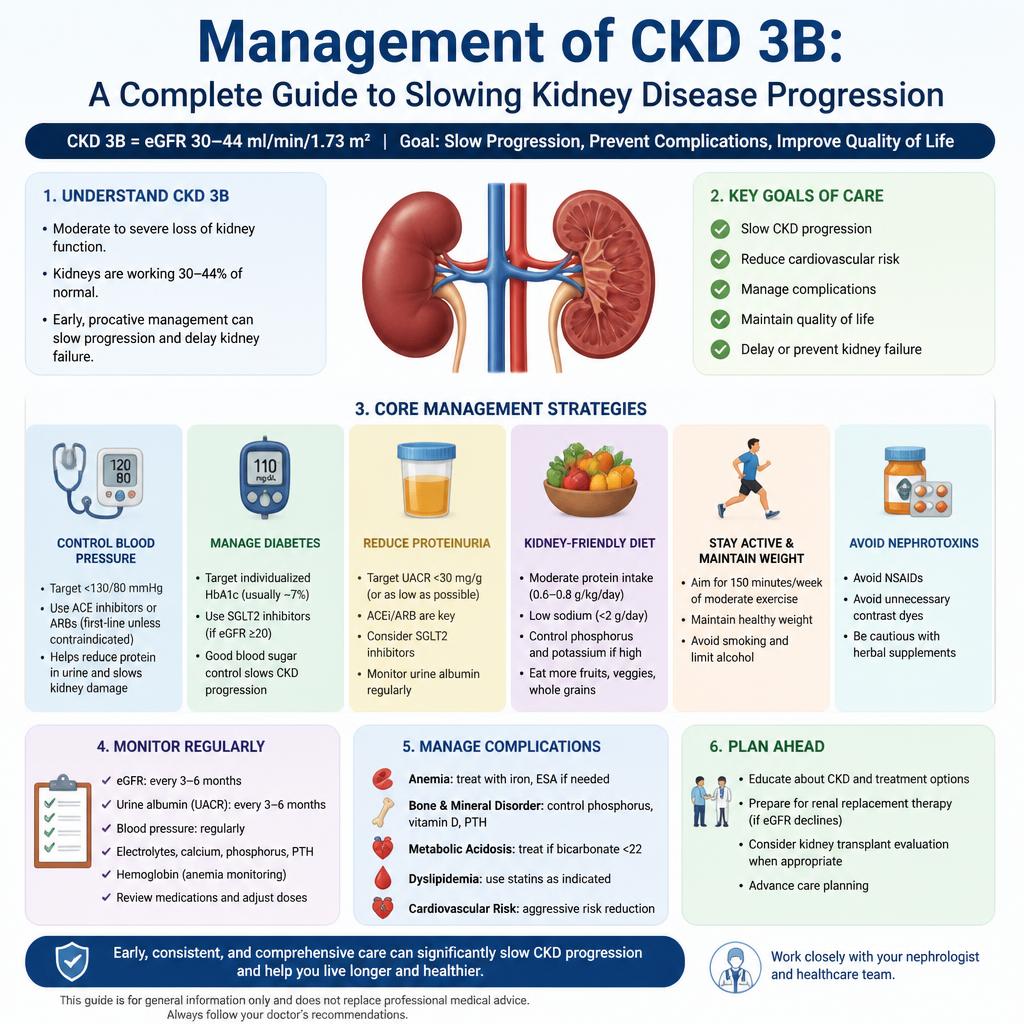
Chronic kidney disease (CKD) is a serious health condition that affects millions of people worldwide. Among the different stages of kidney disease, Stage 3B CKD is considered a critical turning point because kidney function has declined significantly and requires close management to prevent further damage.
Understanding the proper management of CKD 3B can help patients maintain kidney function, improve quality of life, and reduce the risk of complications such as heart disease, anemia, and high blood pressure.
Recommended Resource: Many people with CKD also explore structured kidney wellness programs that focus on kidney-friendly nutrition, hydration, and healthy lifestyle habits alongside medical care. Learn More Here →
 What Is CKD 3B?
CKD Stage 3B occurs when the estimated glomerular filtration rate (eGFR) falls between 30 and 44 mL/min/1.73m². At this stage, the kidneys are moderately to severely damaged and can no longer filter waste products efficiently.
Many people with CKD 3B may not realize how serious their condition is because symptoms can still be mild. However, without proper treatment and lifestyle adjustments, kidney function may continue to decline toward kidney failure.
Common symptoms of CKD 3B include:
- Fatigue and weakness
- Swelling in the legs or ankles
- High blood pressure
- Changes in urination
- Muscle cramps
- Trouble concentrating
- Nausea or loss of appetite
- Sleep problems
Early intervention and proper management of CKD 3B are essential for slowing disease progression.
Goals of Management of CKD 3B
The primary goals in managing CKD Stage 3B include:
- Slowing kidney damage progression
- Managing underlying conditions
- Preventing complications
- Improving quality of life
- Reducing cardiovascular risk
- Delaying or avoiding dialysis
A comprehensive treatment plan usually combines medication, nutrition, exercise, and lifestyle modifications.
Additional Kidney Health Guide: If you’re interested in learning more about kidney-friendly nutrition and daily lifestyle strategies, this comprehensive kidney wellness program may be helpful. Learn More →
Blood Pressure Control
One of the most important aspects of management of CKD 3B is controlling blood pressure. High blood pressure can damage the kidneys further and accelerate disease progression.
Doctors often recommend maintaining blood pressure below 130/80 mmHg.
Common medications include:
- ACE inhibitors
- ARBs (angiotensin receptor blockers)
- Diuretics
These medications not only lower blood pressure but may also protect kidney function.
Patients should monitor blood pressure regularly and reduce sodium intake to help maintain healthy levels.
Recommended Home Health Tool: Regular blood pressure monitoring at home can help you track your progress between doctor visits. Check Today’s Price on Amazon →
 Diabetes Management
Diabetes is one of the leading causes of chronic kidney disease. Poor blood sugar control can worsen kidney damage over time.
For patients with diabetic CKD 3B, proper glucose management is critical. This may involve:
- Monitoring blood sugar levels daily
- Taking prescribed medications
- Following a kidney-friendly diabetic diet
- Exercising regularly
Newer medications such as SGLT2 inhibitors have shown promising results in slowing CKD progression in diabetic patients.
Helpful Diabetes Tool: Monitoring blood sugar regularly may help support better diabetes management alongside your prescribed treatment plan. View on Amazon →
Kidney-Friendly Diet for CKD 3B
Nutrition plays a major role in the management of CKD 3B. A proper diet can reduce stress on the kidneys and help control complications.
Reduce Sodium Intake
Excess sodium causes fluid retention and high blood pressure. Most CKD patients should limit sodium intake to less than 2,300 mg per day.
Avoid:
- Processed foods
- Fast food
- Canned soups
- Salty snacks
Monitor Protein Intake
Too much protein may increase kidney workload. However, protein should not be eliminated completely.
Good protein sources include:
- Fish
- Eggs
- Skinless chicken
- Plant-based proteins in moderation
A renal dietitian can help determine the appropriate protein amount.
Kidney-Friendly Recipes: Meal planning can make following a kidney-friendly diet much easier. Explore this highly rated cookbook for practical recipes. View on Amazon →
 Limit Potassium and Phosphorus
As kidney function declines, potassium and phosphorus levels may rise.
High-potassium foods to limit:
- Bananas
- Potatoes
- Tomatoes
- Oranges
High-phosphorus foods to avoid:
- Soda
- Processed cheese
- Packaged snacks
- Organ meats
Stay Hydrated
Fluid needs vary depending on individual conditions. Some patients may need fluid restrictions if swelling or fluid retention occurs.
Always consult a healthcare provider before making major dietary changes.
Stay Hydrated: A reusable insulated water bottle can make it easier to maintain healthy hydration throughout the day. See on Amazon →
Exercise and Physical Activity
Regular exercise supports overall health and can help slow CKD progression.
Benefits include:
- Better blood pressure control
- Improved circulation
- Weight management
- Reduced stress
- Better blood sugar control
Recommended activities:
- Walking
- Swimming
- Cycling
- Light strength training
- Yoga
Most experts recommend at least 150 minutes of moderate activity per week.
Track Your Activity: Monitoring your daily steps and exercise can help you stay consistent with healthy lifestyle goals. View on Amazon →
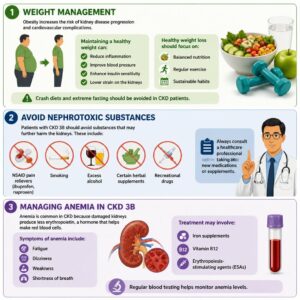 Weight Management
Obesity increases the risk of kidney disease progression and cardiovascular complications.
Maintaining a healthy weight can:
- Reduce inflammation
- Improve blood pressure
- Enhance insulin sensitivity
- Lower strain on the kidneys
Healthy weight loss should focus on:
- Balanced nutrition
- Regular exercise
- Sustainable habits
Crash diets and extreme fasting should be avoided in CKD patients.
Avoid Nephrotoxic Substances
Patients with CKD 3B should avoid substances that may further harm the kidneys.
These include:
- NSAID pain relievers (ibuprofen, naproxen)
- Smoking
- Excess alcohol
- Certain herbal supplements
- Recreational drugs
Always consult a healthcare professional before taking new medications or supplements.(management of ckd 3b)
Managing Anemia in CKD 3B
Anemia is common in CKD because damaged kidneys produce less erythropoietin, a hormone that helps make red blood cells.
Symptoms of anemia include:
- Fatigue
- Dizziness
- Weakness
- Shortness of breath
Treatment may involve:
- Iron supplements
- Vitamin B12
- Erythropoiesis-stimulating agents (ESAs)
Regular blood testing helps monitor anemia levels.
Bone and Mineral Management
CKD can affect calcium and phosphorus balance, increasing the risk of bone disease.
Doctors may recommend:
- Vitamin D supplements
- Phosphate binders
- Dietary phosphorus restriction
Monitoring mineral levels is an important part of management of CKD 3B.
Stress Reduction and Sleep
Chronic stress may negatively affect blood pressure and overall kidney health.
Helpful stress management techniques include:
- Meditation
- Deep breathing exercises
- Journaling
- Prayer
- Spending time outdoors
Quality sleep is also essential. Adults should aim for 7–9 hours of sleep per night.
Regular Monitoring and Medical Care
Patients with CKD 3B require ongoing medical supervision.
Routine monitoring often includes:
- eGFR testing
- Urine protein tests
- Blood pressure checks
- Electrolyte testing
- Blood sugar monitoring
Seeing a nephrologist regularly can help detect complications early and adjust treatment plans when necessary (management of ckd 3b)
Helpful Daily Health Tools: Organizing medications and tracking blood pressure may support better long-term kidney care. View on Amazon →
Natural Support for Kidney Health
Many people with CKD also explore natural approaches to support kidney function alongside medical treatment.
Lifestyle-based kidney support programs often focus on:
- Anti-inflammatory nutrition
- Hydration strategies
- Blood sugar balance
- Blood pressure support
- Detoxification habits
- Kidney-friendly meal planning
One popular resource many kidney patients use is The Kidney Disease Solution program, which provides detailed guidance on natural kidney support, nutrition strategies, and lifestyle recommendations designed specifically for people with chronic kidney disease.
Explore Natural Kidney Support: Learn more about kidney-friendly nutrition, hydration, and healthy lifestyle habits designed to complement professional medical care. Learn More Here →
Can CKD 3B Be Reversed?
In most cases, CKD 3B cannot be completely reversed because kidney damage is usually permanent. However, proper management of CKD 3B can significantly slow progression and help preserve remaining kidney function for many years.
Some patients stabilize their kidney function successfully through:
- Better blood pressure control
- Improved diabetes management
- Dietary changes
- Weight loss
- Smoking cessation
- Exercise
- Medication adherence
Early intervention is the key to better outcomes.
When Is Dialysis Needed?
Not all CKD 3B patients will require dialysis. Many individuals remain stable for years with proper treatment.
Dialysis usually becomes necessary when kidney function drops below 15% (Stage 5 CKD) and symptoms become severe.
Signs dialysis may be approaching include:
- Severe fluid retention
- Persistent nausea
- Dangerous electrolyte imbalances
- Extreme fatigue
- Difficulty breathing
The goal of treatment at Stage 3B is to delay or prevent this progression whenever possible.
Additional Resource: Healthy eating is an important part of long-term kidney care. Explore practical meal plans and recipes designed for kidney-friendly living. View on Amazon →
Final Thoughts
The management of CKD 3B requires a comprehensive and proactive approach. While chronic kidney disease is serious, many people can maintain a good quality of life and slow disease progression through proper medical care, nutrition, exercise, and healthy lifestyle habits.(management of ckd 3b)
Key strategies include:
- Controlling blood pressure
- Managing diabetes
- Following a kidney-friendly diet
- Staying active
- Avoiding kidney-damaging substances
- Monitoring kidney function regularly
In addition to standard medical care, many people also explore natural kidney support programs to complement their treatment plan.
If you’re looking for additional guidance on supporting kidney health naturally, you can learn more about The Kidney Disease Solution here
Taking action early can make a meaningful difference in protecting your kidney function and improving your long-term health.
Natural kidney support supplements

CKD Online Editorial Team reviews all medical content to ensure accuracy, clarity, and alignment with current clinical guidelines. Articles are updated regularly to reflect the latest evidence-based recommendations.