CKD Online Editorial Team
Last Updated: July 31, 2026 • Reading Time: 6 min
Introduction
Receiving a diagnosis of Kidney Failure 3B, often referred to as Stage 3B Chronic Kidney Disease (CKD), can be overwhelming. Many people immediately worry about dialysis, kidney failure, and what the future may hold.
While Stage 3B CKD is a serious condition, it does not mean that your kidneys have completely stopped working. In fact, many individuals with Stage 3B kidney disease maintain stable kidney function for years with proper medical care, lifestyle adjustments, and healthy habits.
In this guide, we’ll explore the symptoms, causes, treatment options, dietary recommendations, and practical strategies that may help slow the progression of kidney disease and improve overall quality of life.
If you’d like to explore additional kidney wellness resources and educational materials, Click Here to Learn More.
 What Is Kidney Failure 3B?
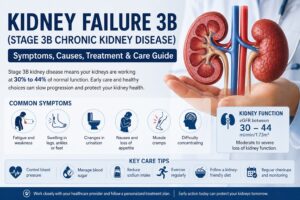
Kidney Failure 3B generally refers to Stage 3B Chronic Kidney Disease, a condition in which the kidneys are functioning at approximately 30% to 44% of normal capacity.
Doctors typically measure kidney function using a test called the estimated glomerular filtration rate (eGFR).
Stage 3B CKD is defined as:
- eGFR between 30 and 44
- Moderate to severe loss of kidney function
- Increased risk of complications
- Greater need for medical monitoring
Although the kidneys are no longer working at full capacity, there is often still significant function remaining.
Common Symptoms of Kidney Failure 3B
Many people do not notice symptoms during the early stages of CKD. As kidney function declines, symptoms become more noticeable.
Fatigue and Low Energy
Damaged kidneys may contribute to anemia, reducing oxygen delivery throughout the body and causing persistent tiredness.
 Swelling in the Legs and Feet
Reduced kidney function can cause fluid retention, leading to swelling in:
- Ankles
- Feet
- Legs
- Hands
Changes in Urination
You may notice:
- More frequent urination
- Reduced urine output
- Foamy urine
- Dark-colored urine
Nausea and Loss of Appetite
Waste products that build up in the bloodstream can lead to digestive discomfort.
Muscle Cramps
Electrolyte imbalances often contribute to:
- Muscle cramps
- Weakness
- Restless legs
Difficulty Concentrating
Some individuals experience memory issues, brain fog, and difficulty focusing.
What Causes Stage 3B Kidney Disease?
Several conditions can damage the kidneys over time.
Diabetes
High blood sugar levels can damage the small blood vessels inside the kidneys.
High Blood Pressure
Uncontrolled hypertension is one of the leading causes of CKD progression.
Glomerulonephritis
Inflammation of the kidney’s filtering units can reduce kidney function.
Polycystic Kidney Disease
This inherited condition causes fluid-filled cysts to develop in the kidneys.
Long-Term Use of Certain Medications
Excessive use of NSAID pain relievers may contribute to kidney damage in some individuals.
 Complications of Kidney Failure 3B
Without proper management, Stage 3B CKD may lead to:
Anemia
The kidneys produce hormones that help create red blood cells. Reduced production can lead to anemia.
Bone and Mineral Disorders
Imbalances involving calcium, phosphorus, and vitamin D can affect bone health.
High Blood Pressure
Kidney disease and hypertension often worsen one another.
Cardiovascular Disease
People with CKD face a higher risk of heart attack, stroke, and heart failure.
How Is Kidney Failure 3B Diagnosed?
Doctors may use several tests, including:
eGFR Blood Test
Measures overall kidney function.
Urine Albumin Test
Checks for protein leakage in the urine.
Blood Tests
May evaluate:
- Creatinine
- Potassium
- Sodium
- Hemoglobin
Imaging Studies
Ultrasound scans can help identify structural kidney abnormalities.
Treatment Options for Kidney Failure 3B
Although Stage 3B CKD cannot usually be reversed, treatment can help slow disease progression.
Control Blood Pressure
Maintaining healthy blood pressure levels is critical.
Manage Blood Sugar
For people with diabetes, blood sugar control is essential.
Follow Prescribed Medications
Your healthcare provider may recommend medications designed to help protect kidney function and reduce complications.
Regular Monitoring
Routine laboratory testing allows doctors to track disease progression and make timely adjustments to treatment plans.
 Kidney-Friendly Diet for Stage 3B CKD
Diet plays a major role in kidney health.
Reduce Sodium Intake
Limiting salt can help reduce fluid retention and blood pressure.
Choose Quality Protein Sources
Examples include:
- Fish
- Eggs
- Skinless poultry
- Plant-based proteins
Monitor Potassium
Some individuals may need to limit high-potassium foods depending on blood test results.
Watch Phosphorus Intake
Processed foods often contain phosphorus additives that can be harmful for CKD patients.
Stay Hydrated
Fluid recommendations vary from person to person. Follow your healthcare provider’s guidance.
Lifestyle Tips to Support Kidney Health
Exercise Regularly
Aim for at least 150 minutes of moderate activity per week.
Stop Smoking
Smoking can accelerate kidney damage and increase cardiovascular risk.
Maintain a Healthy Weight
Weight management supports better blood pressure and blood sugar control.
Manage Stress
Meditation, walking, yoga, and quality sleep may help reduce stress levels.
Additional Kidney Health Resources
Managing chronic kidney disease often requires a combination of medical care, healthy nutrition, and informed lifestyle choices.
If you’d like to explore additional kidney wellness resources and educational materials, Click Here to Learn More.
Always consult your healthcare provider before making changes to your diet, medications, or treatment plan.
Frequently Asked Questions
Is Stage 3B Kidney Disease the Same as Kidney Failure?
No. Stage 3B CKD indicates significant loss of kidney function, but it is not the same as complete kidney failure.
Will I Need Dialysis?
Many individuals with Stage 3B CKD never require dialysis, especially when the condition is managed effectively.
Can Stage 3B CKD Be Reversed?
In most cases, chronic kidney disease cannot be fully reversed. However, progression can often be slowed.
How Serious Is Stage 3B CKD?
It is considered a serious stage of kidney disease that requires ongoing medical monitoring and lifestyle adjustments.
Conclusion
Kidney Failure 3B, also known as Stage 3B Chronic Kidney Disease, is a condition that requires attention but does not necessarily mean complete kidney failure. By working closely with healthcare providers, maintaining a kidney-friendly diet, managing blood pressure and blood sugar, and making healthy lifestyle choices, many people can preserve kidney function and maintain a good quality of life.
Taking action early can make a meaningful difference. Educate yourself, follow your treatment plan, and stay proactive about your kidney health.
stage 4 kidney disease and fatigue

CKD Online Editorial Team reviews all medical content to ensure accuracy, clarity, and alignment with current clinical guidelines. Articles are updated regularly to reflect the latest evidence-based recommendations.
1 thought on “Kidney Failure 3B: Symptoms, Treatment Options, and Ways to Protect Kidney Function”