CKD Online Editorial Team
Last Updated: August 4, 2026 • Reading Time: 6 min
Introduction
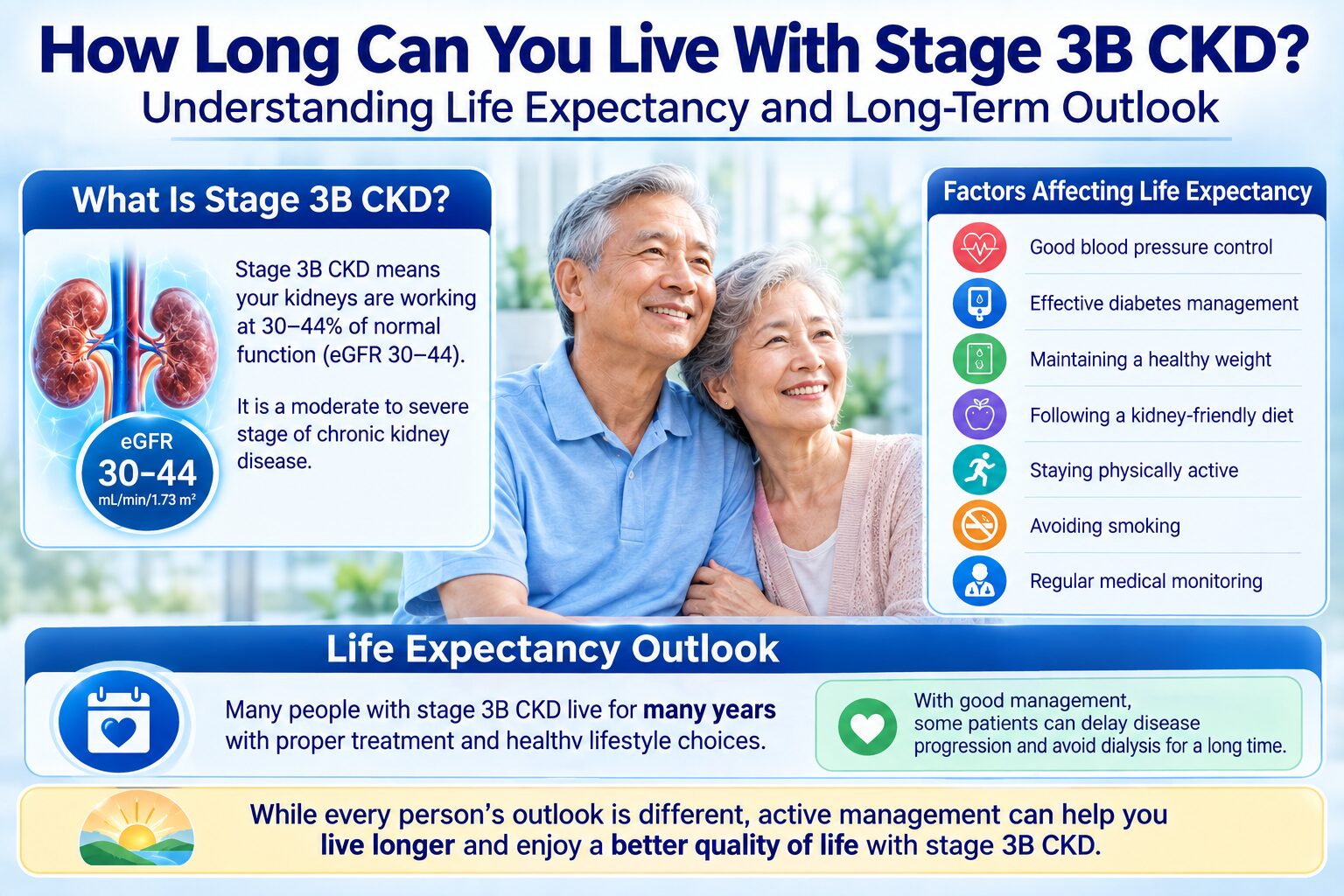
Being diagnosed with chronic kidney disease often leads to one important question: How long can you live with Stage 3B CKD?
It’s a question that many patients and family members ask after learning that kidney function has declined significantly. While the diagnosis is serious, the answer is often more encouraging than people expect.
Many individuals with Stage 3B Chronic Kidney Disease (CKD) live for years or even decades after diagnosis, especially when the condition is detected early and managed properly. Advances in medical care, improved understanding of kidney disease, and healthier lifestyle habits have helped many patients maintain a good quality of life.
In this article, we’ll discuss life expectancy with Stage 3B CKD, the factors that influence prognosis, and practical steps that may help preserve kidney function and support long-term health.
 What Is Stage 3B CKD?
Stage 3B Chronic Kidney Disease occurs when the kidneys are functioning at approximately 30% to 44% of their normal capacity.
Doctors typically diagnose Stage 3B CKD when the estimated glomerular filtration rate (eGFR) falls between 30 and 44.
At this stage:
- Kidney function is significantly reduced.
- Waste products begin accumulating more easily.
- Symptoms may become more noticeable.
- Regular monitoring becomes increasingly important.
Common symptoms include:
- Fatigue
- Swelling in the feet and ankles
- Changes in urination
- High blood pressure
- Muscle cramps
- Itchy skin
- Difficulty concentrating
Although kidney function has declined, the kidneys still perform many essential functions.
Learn More About GlucoTrust Today
 How Long Can You Live With Stage 3B CKD?
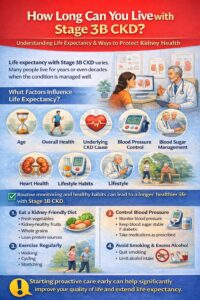
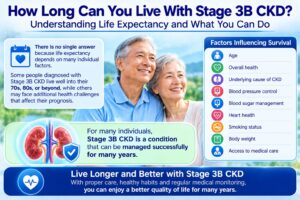
There is no single answer because life expectancy depends on many individual factors.
Some people diagnosed with Stage 3B CKD live well into their 70s, 80s, or beyond, while others may face additional health challenges that affect their prognosis.
Several factors influence survival, including:
- Age
- Overall health
- Underlying cause of CKD
- Blood pressure control
- Blood sugar management
- Heart health
- Smoking status
- Body weight
- Access to medical care
For many individuals, Stage 3B CKD is a condition that can be managed successfully for many years.
Why Life Expectancy Varies
Age at Diagnosis
A younger individual diagnosed with Stage 3B CKD may have a very different outlook compared to an older adult with multiple health conditions.
Cardiovascular Health
Heart disease is one of the most important factors affecting life expectancy in people with CKD.
Maintaining cardiovascular health can significantly improve long-term outcomes.
 Diabetes Management
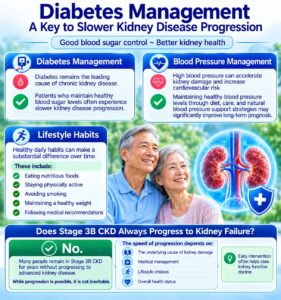
Diabetes remains the leading cause of chronic kidney disease.
Patients who maintain healthy blood sugar levels often experience slower kidney disease progression.
Blood Pressure Management High blood pressure can accelerate kidney damage and increase cardiovascular risk. Maintaining healthy blood pressure levels through diet, care, and natural blood pressure support strategies may significantly improve long-term prognosis.
Lifestyle Habits
Healthy daily habits can make a substantial difference over time.
These include:
- Eating nutritious foods
- Staying physically active
- Avoiding smoking
- Maintaining a healthy weight
- Following medical recommendations
Does Stage 3B CKD Always Progress to Kidney Failure?
No.
Many people remain in Stage 3B CKD for years without progressing to advanced kidney disease.
While progression is possible, it is not inevitable.
The speed of progression depends on:
- The underlying cause of kidney damage
- Medical management
- Lifestyle choices
- Overall health status
Early intervention often helps slow kidney function decline.
Signs That Kidney Disease May Be Worsening
Patients should be aware of potential warning signs that may indicate disease progression.
These include:
Increasing Fatigue
Persistent tiredness may become more noticeable as kidney function declines.
Worsening Swelling
Fluid retention may affect:
- Feet
- Ankles
- Legs
- Hands
Changes in Urination
Potential changes include:
- Reduced urine output
- Frequent urination
- Foamy urine
- Blood in urine
Loss of Appetite
Waste buildup may affect digestion and appetite.
Shortness of Breath
Fluid retention and anemia can contribute to breathing difficulties.
Regular medical monitoring can often detect progression before severe symptoms develop. how long can you live with stage 3b CKD.
How to Improve Your Long-Term Outlook
Follow a Kidney-Friendly Diet
Nutrition plays a major role in preserving kidney function.
Many healthcare providers recommend:
- Fresh vegetables
- Kidney-friendly fruits
- Whole grains
- Lean protein sources
- Healthy fats
Limiting processed foods and excess sodium may also be beneficial.
Exercise Regularly
Physical activity may help:
- Improve blood pressure
- Support healthy blood sugar levels
- Promote cardiovascular health
- Maintain a healthy weight
Manage Stress
Chronic stress may negatively affect blood pressure and overall health.
Helpful stress-management strategies include:
- Meditation
- Walking
- Deep breathing exercises
- Yoga
- Spending time outdoors
Attend Regular Medical Appointments
Routine testing allows healthcare providers to:
- Monitor kidney function
- Identify complications
- Adjust treatment plans
- Optimize overall care
The Importance of Blood Sugar Control
For patients with diabetes, blood sugar management is one of the most important factors affecting kidney health and long-term survival.
Healthy blood sugar levels may help:
- Reduce further kidney damage
- Protect blood vessels
- Improve overall health
- Lower cardiovascular risk
Helpful habits include:
- Eating balanced meals
- Limiting added sugars
- Exercising regularly
- Maintaining a healthy body weight
Learn More About GlucoTrust Today
Many people interested in supporting healthy blood sugar balance choose to explore natural wellness supplements as part of a healthy lifestyle.
👉 Click Here to Learn More About GlucoTrust Today
Note: Supplements should always complement professional medical care and healthy lifestyle practices
Additional Kidney Health Support
Managing Stage 3B CKD often requires a comprehensive approach that includes nutrition, exercise, medication adherence, and regular monitoring.
Many individuals also seek kidney-focused nutritional resources to support their wellness journey.
Discover This Kidney Health Solution Here
If you’re interested in learning more about natural kidney wellness support, meal planning, and daily protocols, Discover The Kidney Disease Solution Program Here.
Always consult your healthcare provider before starting any program or supplement, especially if you have kidney disease or take prescription medications how long can you live with stage 3b CKD.
Frequently Asked Questions
Is Stage 3B CKD a Death Sentence?
No. Many people live long and active lives after being diagnosed with Stage 3B CKD.
Can You Live 20 Years With Stage 3B CKD?
Some individuals do live 20 years or more with Stage 3B CKD, particularly when risk factors are well controlled and overall health is maintained.
Is Dialysis Needed at Stage 3B?
Most patients with Stage 3B CKD do not require dialysis. Treatment focuses on preserving kidney function and slowing progression.
What Is the Biggest Factor Affecting Survival?
Blood pressure control, diabetes management, cardiovascular health, and lifestyle habits are among the most important factors influencing long-term outcomes how long can you live with stage 3b CKD.
Final Thoughts
So, how long can you live with Stage 3B CKD? The answer depends on many factors, but many people live for years or even decades after diagnosis.
While Stage 3B CKD is a serious condition, it does not automatically lead to kidney failure or dramatically shortened life expectancy. By managing blood pressure, controlling blood sugar, following a kidney-friendly diet, staying active, and working closely with healthcare providers, many individuals successfully protect their kidney function and enjoy a good quality of life.
The earlier you begin taking proactive steps, the greater your opportunity to support your long-term kidney health and overall well-being.
📚 Recommended Wellness Resources:
-
🌿 The Kidney Disease Solution – A comprehensive guide on renal diets, natural protocols, and kidney health.
-
🩸 GlucoTrust Official Site – Natural support for maintaining healthy blood sugar balance.

CKD Online Editorial Team reviews all medical content to ensure accuracy, clarity, and alignment with current clinical guidelines. Articles are updated regularly to reflect the latest evidence-based recommendations.