CKD Online Editorial Team
Last Updated: September 29, 2026 • Reading Time: 7 min
Introduction
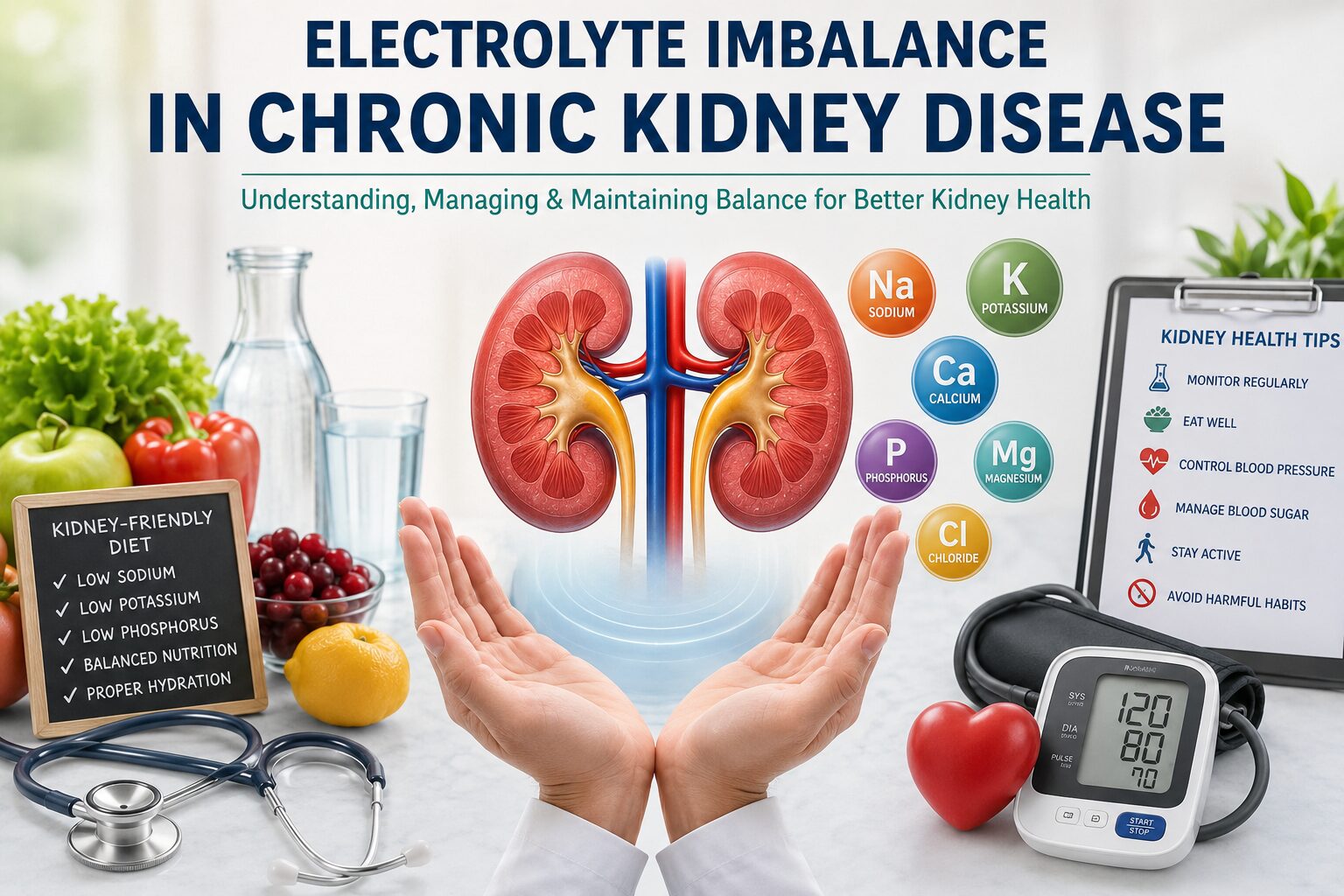
Electrolytes are essential minerals that help the body perform critical functions every single day. They regulate heartbeat, maintain fluid balance, support nerve signals, and keep muscles working properly. For people living with chronic kidney disease (CKD), maintaining healthy electrolyte levels becomes increasingly difficult as kidney function declines.
Electrolyte imbalance in chronic kidney disease is one of the most common and serious complications associated with CKD. When electrolyte levels move outside their normal range, patients may experience symptoms ranging from fatigue and muscle cramps to dangerous heart rhythm problems.
Fortunately, understanding how electrolyte balance works—and learning how to manage it through proper nutrition and healthy lifestyle habits—can help reduce complications and improve quality of life.
At CKD Online, we provide educational resources and kidney-friendly health information to help individuals better manage chronic kidney disease naturally and safely. (electrolyte imbalance in chronic kidney disease)
 What Is Electrolyte Imbalance?
Electrolytes are minerals that carry an electrical charge when dissolved in body fluids. These minerals are essential for many vital processes, including:
- Maintaining fluid balance
- Supporting nerve and muscle function
- Regulating blood pressure
- Stabilizing pH levels
- Helping the heart beat normally
The most important electrolytes include:
- Sodium
- Potassium
- Calcium
- Phosphorus
- Magnesium
- Chloride
Healthy kidneys constantly filter excess electrolytes from the bloodstream while maintaining proper balance. However, when kidney function declines, the body may struggle to regulate these minerals effectively. This condition is known as electrolyte imbalance.
Even small electrolyte changes can affect how the body functions, especially in people with chronic kidney disease.
GlucoTrust Kidney & Metabolic Support
 Why Chronic Kidney Disease Causes Electrolyte Problems
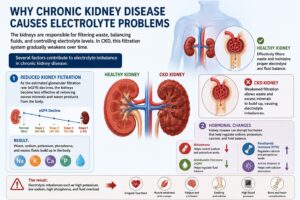
The kidneys are responsible for filtering waste, balancing fluids, and controlling electrolyte levels. In CKD, this filtration system gradually weakens over time.
Several factors contribute to electrolyte imbalance in chronic kidney disease: (electrolyte imbalance in chronic kidney disease)
Reduced Kidney Filtration
As the estimated glomerular filtration rate (eGFR) declines, the kidneys become less effective at removing excess minerals and waste products from the body.
Hormonal Changes
Kidney disease can disrupt hormones that help regulate sodium, potassium, calcium, and fluid balance.
Poor Dietary Choices
Many common foods contain high amounts of sodium, potassium, or phosphorus. Without proper guidance, CKD patients may unknowingly consume dangerous levels. (electrolyte imbalance in chronic kidney disease)
Medications
Certain medications commonly used in CKD treatment may alter electrolyte levels. These include:
- Diuretics
- Blood pressure medications
- ACE inhibitors
- Phosphate binders
Dialysis
In advanced kidney disease, dialysis treatments may also influence electrolyte fluctuations between sessions.
As CKD progresses, even minor dietary mistakes can sometimes trigger severe complications. (electrolyte imbalance in chronic kidney disease)
Common Electrolyte Imbalances in CKD
Hyperkalemia (High Potassium)
Hyperkalemia (High Potassium) Hyperkalemia occurs when potassium levels become too high in the bloodstream. Since potassium directly affects heart function, this condition can become life-threatening if untreated.
Symptoms may include muscle weakness, tingling sensations, numbness, fatigue, and irregular heartbeat.
Recommended At-Home Support: Because potassium fluctuations can directly impact heart rhythm, keeping an easy-to-use ECG/EKG monitor like the KardiaMobile Personal EKG Monitor (available on Amazon) allows you to track heart rhythm stability at home and share real-time data with your cardiologist.
Hyponatremia (Low Sodium)
Low sodium levels are often caused by fluid imbalance or excessive water retention.
Common symptoms include:
- Headaches
- Confusion
- Nausea
- Weakness
- Seizures in severe cases
 High Phosphorus and Low Calcium
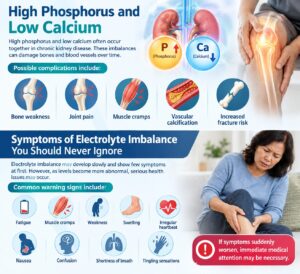
High phosphorus and low calcium often occur together in chronic kidney disease. These imbalances can damage bones and blood vessels over time. (electrolyte imbalance in chronic kidney disease)
Possible complications include:
- Bone weakness
- Joint pain
- Muscle cramps
- Vascular calcification
- Increased fracture risk
Symptoms of Electrolyte Imbalance You Should Never Ignore
Electrolyte imbalance may develop slowly and show few symptoms at first. However, as levels become more abnormal, serious health issues may occur. (electrolyte imbalance in chronic kidney disease)
Common warning signs include:
- Fatigue
- Muscle cramps
- Weakness
- Swelling
- Irregular heartbeat
- Nausea
- Confusion
- Shortness of breath
- Tingling sensations
If symptoms suddenly worsen, immediate medical attention may be necessary.
Why Diet Is the MOST Important Factor
When it comes to managing electrolyte imbalance in chronic kidney disease, diet plays a central role.
The foods you eat directly affect electrolyte levels every day. CKD patients often need to carefully manage:
- Potassium intake
- Sodium intake
- Phosphorus intake
- Fluid consumption
Unfortunately, many people are unsure which foods are safe and which foods may worsen kidney problems.
That’s why structured kidney-friendly nutrition plans can be extremely helpful. (electrolyte imbalance in chronic kidney disease)
A complete renal nutrition guide can help patients:
- Avoid foods that trigger electrolyte imbalance
- Reduce stress on the kidneys
- Plan meals more confidently
- Improve long-term kidney health
Maintaining stable blood sugar is critical because metabolic stress directly aggravates electrolyte regulation in the kidneys.
-
Metabolic & Blood Sugar Support: For specialized nutritional support that helps maintain healthy blood glucose levels and metabolic balance, explore GlucoTrust Official Supplement on ClickBank.
-
Comprehensive Renal Nutrition Protocol: To access a complete step-by-step guide featuring low-potassium and low-phosphorus recipes, check out The Kidney Disease Solution Program on ClickBank.
Foods That May Affect Electrolyte Balance
High-Potassium Foods
Some CKD patients may need to limit foods such as:
- Bananas
- Potatoes
- Tomatoes
- Oranges
- Spinach
- Avocados
 High-Sodium Foods
Excess sodium may increase blood pressure and fluid retention. Common sources include fast food, packaged snacks, processed meats, canned soups, and frozen meals.
Healthy Salt Alternatives: Swapping regular table salt with zero-sodium, potassium-free organic herb blends such as Benson’s Table Tasty Salt Free Seasoning (available on Amazon) helps protect your fluid balance without sacrificing flavor or adding unwanted potassium.
High-Phosphorus Foods
Too much phosphorus can weaken bones and damage blood vessels.
Foods high in phosphorus include:
- Cola drinks
- Processed foods
- Dairy products
- Organ meats
Every CKD patient has different nutritional needs, so individualized medical guidance is important.
Medical Treatments for Electrolyte Imbalance
Doctors may recommend different treatments depending on the specific imbalance and CKD stage.
Treatment options may include:
- Diuretics
- Phosphate binders
- Potassium-lowering medications
- Calcium supplements
- Vitamin D therapy
- Dialysis in advanced kidney disease
Even with medication, maintaining a healthy diet remains one of the most important long-term strategies.
Prevention Tips for CKD Patients
Although electrolyte imbalance is common in chronic kidney disease, several healthy habits may help reduce risks.
Monitor Kidney Function Regularly
Routine lab testing allows doctors to detect electrolyte changes early before severe symptoms develop.
Control Blood Pressure and Blood Sugar
High blood pressure and diabetes are major causes of kidney disease progression.
Follow a Kidney-Friendly Diet
Consistent nutrition habits help maintain healthier electrolyte balance.
Avoid Harmful Medications & Stay Organized Some over-the-counter pain relievers and supplements may worsen kidney damage. Staying consistent with prescribed binder medications and daily supplements is key.
-
Medication & Binder Organizer: Using a moisture-proof, large-capacity pill planner like the AUVON Weekly Pill Organizer 7 Day 2 Times a Day (available on Amazon) helps ensure you take phosphate binders at exact meal times.
-
Complete Lifestyle & Meal Roadmap: To get a fully structured meal planning system that takes the guesswork out of daily nutrition, explore the All Natural Kidney Health & Kidney Function Restoration Program (on ClickBank).
Lifestyle Habits That Support Kidney Health
In addition to diet, several lifestyle factors can help support overall kidney wellness:
- Regular physical activity
- Better sleep habits
- Stress reduction
- Maintaining a healthy weight
- Drinking fluids according to medical guidance
- Avoiding smoking
Small daily improvements may help reduce stress on the kidneys over time.
Conclusion
Electrolyte imbalance in chronic kidney disease is a serious condition that requires ongoing attention. Because the kidneys regulate essential minerals and fluid balance, declining kidney function can affect nearly every part of the body.
The good news is that proper nutrition, healthy daily habits, routine monitoring, and early medical care can significantly improve outcomes for people living with CKD.
The biggest difference often comes from what you do consistently every day—especially the foods you choose and how you manage blood sugar and hydration.
👉 Get Access to GlucoTrust Metabolic Support on ClickBank
👉 Explore The Complete Kidney Disease Solution Program on ClickBank
For more educational resources and advanced renal care information, explore our dedicated guides on managing stage 4 kidney disease naturally.
Meta Description
Learn how to manage electrolyte imbalance in chronic kidney disease with kidney-friendly nutrition, healthy lifestyle habits, and practical strategies to support electrolyte balance and kidney health.

CKD Online Editorial Team reviews all medical content to ensure accuracy, clarity, and alignment with current clinical guidelines. Articles are updated regularly to reflect the latest evidence-based recommendations.