CKD Online Editorial Team
Last Updated: August 24, 2026 • Reading Time: 7 min
Introduction
Kidney failure is a serious medical condition that occurs when the kidneys lose most of their ability to remove waste products, excess fluids, and toxins from the body. When kidney function drops to a critical level, dialysis for kidney failure often becomes a life-sustaining treatment option.
For many individuals living with advanced chronic kidney disease (CKD), understanding dialysis can reduce anxiety and help them make informed healthcare decisions. While dialysis is not a cure for kidney failure, it can perform many of the essential functions normally carried out by healthy kidneys.
This guide explains how dialysis works, the different types available, potential benefits and risks, and what patients can expect during treatment.
 What Is Kidney Failure?
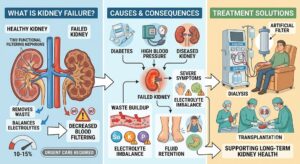
Kidney failure, also known as end-stage kidney disease (ESKD), occurs when the kidneys can no longer effectively filter blood.
Healthy kidneys help:
- Remove waste products
- Balance electrolytes
- Control blood pressure
- Regulate fluid levels
- Support red blood cell production
When kidney function declines to approximately 10–15% of normal capacity, dialysis or kidney transplantation may become necessary.
Common causes of kidney failure include:
- Diabetes
- High blood pressure
- Chronic kidney disease
- Polycystic kidney disease
- Autoimmune disorders
- Recurrent kidney infections
What Is Dialysis?
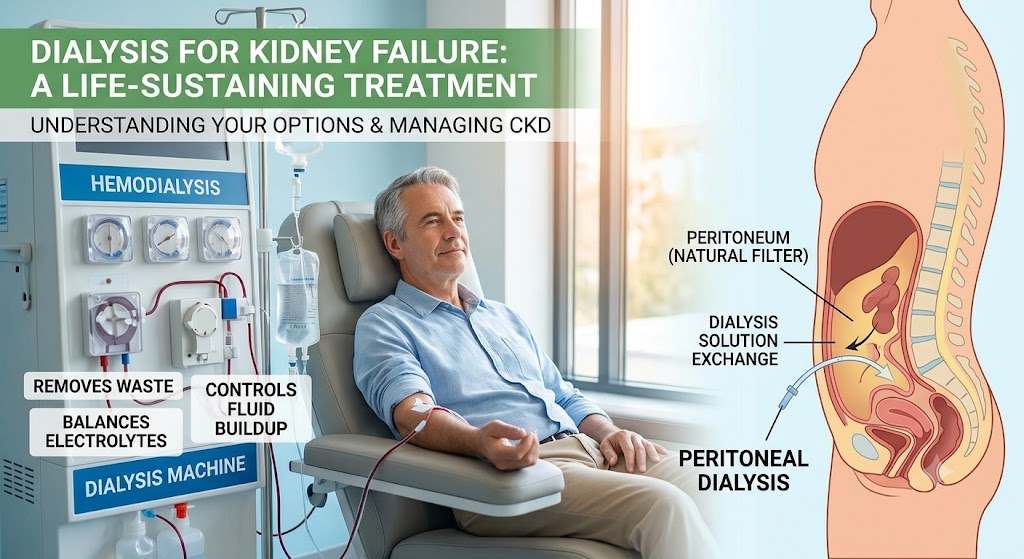
Dialysis is a medical treatment that removes waste products, excess fluids, and toxins from the blood when the kidneys are no longer able to perform these tasks adequately.
Dialysis helps:
- Remove harmful waste
- Maintain electrolyte balance
- Control fluid buildup
- Reduce symptoms of kidney failure
- Improve overall quality of life
Although dialysis cannot fully replace all kidney functions, it can significantly extend life and improve daily functioning for many patients.
 When Is Dialysis Needed?
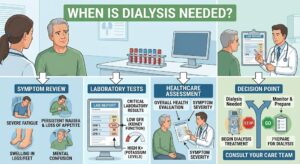
Healthcare providers typically consider dialysis when kidney function reaches very low levels and symptoms become difficult to manage.
Signs that dialysis may be needed include:
- Severe fatigue
- Persistent nausea
- Loss of appetite
- Swelling in the legs and feet
- Difficulty breathing
- High potassium levels
- Fluid overload
- Mental confusion
The decision to begin dialysis is based on laboratory results, symptoms, and overall health status.
Types of Dialysis for Kidney Failure
There are two primary types of dialysis treatment.
Hemodialysis
Hemodialysis is the most common form of dialysis.
During treatment:
- Blood is removed from the body.
- A dialysis machine filters waste and excess fluid.
- Cleaned blood is returned to the body.
Most patients receive hemodialysis:
- Three times per week
- Approximately 3–5 hours per session
Hemodialysis may be performed:
- At a dialysis center
- At home with proper training
Benefits of Hemodialysis
Benefits may include:
- Effective waste removal
- Professional monitoring
- Structured treatment schedule
- Widespread availability
Challenges of Hemodialysis
Potential challenges include:
- Frequent clinic visits
- Time commitment
- Fatigue after treatment
- Dietary restrictions
 Peritoneal Dialysis
Peritoneal dialysis uses the lining of the abdomen (peritoneum) as a natural filter.
A special dialysis solution is introduced into the abdominal cavity through a catheter.
The solution absorbs waste products and excess fluids before being drained and replaced.
Benefits of Peritoneal Dialysis
Advantages may include:
- Greater flexibility
- Home-based treatment
- Fewer travel requirements
- More consistent waste removal
Challenges of Peritoneal Dialysis
Possible drawbacks include:
- Risk of infection
- Daily treatment requirements
- Need for proper training
- Storage space for supplies
Patients should discuss both options with their healthcare team to determine which approach best fits their lifestyle and medical needs.
Preparing for Dialysis
Preparation often begins before dialysis is actually needed.
For hemodialysis, a surgeon may create:
Arteriovenous (AV) Fistula
An AV fistula connects an artery and vein, creating a durable access point for treatment.
AV Graft
When a fistula is not possible, a synthetic tube may be used.
For peritoneal dialysis, a catheter is placed in the abdomen to allow dialysis fluid exchange.
Proper preparation can help ensure smoother treatment experiences.
Lifestyle Changes During Dialysis
Many individuals continue working, traveling, and participating in daily activities while receiving dialysis.
However, lifestyle adjustments are often necessary.
Nutrition
Dietary recommendations may include:
- Limiting sodium
- Monitoring potassium
- Managing phosphorus intake
- Controlling fluid consumption
A renal dietitian can provide personalized guidance. Managing strict sodium, potassium, and phosphorus limits at home is much easier with the right daily tools. Using a high-precision tool like the [Etekcity Smart Digital Food Scale (Amazon)] allows you to weigh portion sizes accurately to avoid nutrient overloads. For easy, tailored meal ideas, you can also explore recipes in [The Renal Diet Cookbook for Beginners (Amazon)]. To explore comprehensive educational resources about kidney-friendly nutrition and healthy lifestyle habits, [Learn More Here – ClickBank Offer].
Physical Activity
Regular movement may help:
- Improve energy levels
- Support cardiovascular health
- Maintain muscle strength
- Enhance overall well-being
Walking, stretching, and low-impact exercises are often recommended.
Common Side Effects of Dialysis
Although dialysis is generally safe, some patients experience side effects.
Possible side effects include:
- Low blood pressure
- Muscle cramps
- Fatigue
- Headaches
- Nausea
- Itching
Healthcare providers can often adjust treatment plans to help manage these symptoms.
Emotional Impact of Dialysis
Starting dialysis can be emotionally challenging.
Patients may experience:
- Anxiety
- Depression
- Stress
- Uncertainty about the future
Support from family members, healthcare professionals, and patient communities can make a significant difference. Learning more about kidney health, holistic self-management strategies, and stress-reduction techniques can help patients feel more confident in their treatment journey. Step-by-step digital programs like [The Kidney Disease Solution (ClickBank)] offer valuable insights into supporting kidney wellness alongside your medical care. [Discover More – ClickBank Program]
Can Dialysis Cure Kidney Failure?
Dialysis is not considered a cure for kidney failure.
Instead, it serves as a replacement therapy that performs some of the functions of healthy kidneys.
For some individuals, a kidney transplant may provide a long-term alternative to dialysis.
Others may remain on dialysis for many years while maintaining a good quality of life.
Kidney Transplant vs. Dialysis
Both treatment options have benefits and considerations.
Dialysis
Benefits:
- Widely available
- No major transplant surgery required
- Suitable for many patients
Kidney Transplant
Benefits:
- Improved quality of life for many patients
- Greater dietary flexibility
- Freedom from routine dialysis treatments
The best option depends on individual health circumstances and medical eligibility.
Supporting Long-Term Kidney Health
Even after starting dialysis, maintaining healthy habits remains important.
Helpful strategies include:
- Following treatment schedules
- Taking medications as prescribed
- Attending regular medical appointments
- Following dietary recommendations
- Staying physically active when possible
Educational resources and wellness programs can also help patients better understand kidney disease management.
Frequently Asked Questions
How long can someone live on dialysis?
Many individuals live for years or even decades while receiving dialysis. Outcomes vary depending on age, overall health, and underlying medical conditions.
Is dialysis painful?
Most patients do not experience significant pain during dialysis itself, although needle insertion for hemodialysis may cause temporary discomfort.
Can dialysis improve symptoms?
Yes. Many patients experience improvements in fatigue, appetite, fluid retention, and overall well-being after beginning treatment.
can-cranberry-juice-help-kidneys
Can I travel while on dialysis?
Yes. Many dialysis centers coordinate treatments for traveling patients, and home dialysis options may provide additional flexibility.
Conclusion
Dialysis for kidney failure is a life-sustaining treatment that helps replace many of the functions performed by healthy kidneys. While the adjustment can be challenging, modern dialysis techniques allow many individuals to continue leading active and meaningful lives.
Understanding treatment options, maintaining healthy habits, and working closely with healthcare providers can help patients achieve the best possible outcomes. Whether considering hemodialysis or peritoneal dialysis, informed decisions and ongoing support play an important role in successful kidney disease management.
If you would like to learn more about kidney health education and supportive lifestyle strategies, [Find Out More Here].

CKD Online Editorial Team reviews all medical content to ensure accuracy, clarity, and alignment with current clinical guidelines. Articles are updated regularly to reflect the latest evidence-based recommendations.