
CKD Online Editorial Team
Last Updated: October 4, 2026 • Reading Time: 7 min
Navigating Chronic Kidney Disease (CKD) Stage 4 requires a deliberate, careful approach to nutrition. Stage 4 indicates severe kidney damage with a advanced drop in Glomerular Filtration Rate (GFR)—typically between 15 and 29 mL/min. At this level, your kidneys struggle to filter waste products, balance fluids, and regulate essential minerals like sodium, potassium, and phosphorus.
While Stage 4 is advanced, proactive nutritional management can dramatically slow disease progression, reduce symptoms, and delay the need for dialysis or transplantation. Creating an effective diet plan for ckd stage 4 is one of the most effective strategies to protect your remaining kidney function.
 Understanding the Goals of a Stage 4 CKD Diet Plan
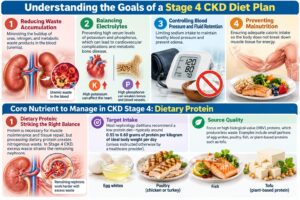
When designing a diet plan for ckd stage 4, the primary focus shifts from general healthy eating to clinical nutritional management. The main objectives are:
-
Reducing Waste Accumulation: Minimizing the buildup of urea, nitrogen, and metabolic waste products in the blood (uremia).
-
Balancing Electrolytes: Preventing high serum levels of potassium and phosphorus, which can lead to cardiovascular complications and metabolic bone disease.
-
Controlling Blood Pressure and Fluid Retention: Limiting sodium intake to maintain healthy blood pressure and prevent edema.
-
Preventing Malnutrition: Ensuring adequate caloric intake so the body does not break down muscle tissue for energy.
Core Nutrients to Manage in CKD Stage 4
1. Dietary Protein: Striking the Right Balance
Protein is necessary for muscle maintenance and tissue repair, but processing dietary protein creates nitrogenous waste. In Stage 4 CKD, excess waste strains the remaining nephrons.
-
Target Intake: Most nephrology dietitians recommend a low-protein diet—typically around 0.55 to 0.60 grams of protein per kilogram of ideal body weight per day (unless instructed otherwise by a healthcare provider).
-
Source Quality: Focus on high-biological-value (HBV) proteins, which produce less waste. Examples include small portions of egg whites, poultry, fish, or plant-based proteins such as tofu.
2. Sodium: Controlling Blood Pressure and Fluid
Excess sodium leads to fluid retention, swelling in the lower extremities, and elevated blood pressure, which accelerates kidney damage.
-
Daily Limit: Keep daily sodium intake under 1,500 mg to 2,000 mg.
-
Key Action: Eliminate processed foods, canned soups, fast food, and salted seasonings. Use fresh herbs, garlic, lemon juice, and sodium-free spices instead.
3. Phosphorus: Protecting Bone and Vascular Health
As kidney function declines, excess phosphorus builds up in the blood, pulling calcium out of bones. This makes bones brittle and leads to dangerous calcium deposits in blood vessels and organs.
-
Daily Limit: Usually limited to 800 mg to 1,000 mg daily.
-
Key Action: Avoid inorganic phosphorus additives found in dark sodas, processed meats, packaged baked goods, and fast foods. Organic phosphorus found in plant foods is absorbed far less efficiently by the gut, making whole plant foods a safer option.
 4. Potassium: Shielding Heart Function
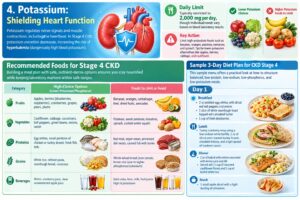
Potassium regulates nerve signals and muscle contractions, including the heartbeat. In Stage 4 CKD, potassium excretion decreases, increasing the risk of hyperkalemia (dangerously high blood potassium).
-
Daily Limit: Typically restricted to 2,000 mg per day, though individual needs vary based on blood laboratory results.
-
Key Action: Limit high-potassium foods such as bananas, oranges, potatoes, tomatoes, and spinach. Opt for lower-potassium alternatives like apples, berries, cabbage, and cauliflower.
Recommended Foods for Stage 4 CKD
Building a meal plan with safe, nutrient-dense options ensures you stay nourished while keeping laboratory markers within safe ranges.
| Category | High-Choice Options (Lower Potassium/Phosphorus) | Foods to Limit or Avoid |
| Fruits | Apples, berries (blueberries, raspberries), cranberries, grapes, pears, plums | Bananas, oranges, cantaloupe, kiwi, dried fruits, avocados |
| Vegetables | Cauliflower, cabbage, cucumbers, bell peppers, green beans, onions, radish | Potatoes, sweet potatoes, tomatoes, spinach, cooked winter squash |
| Proteins | Egg whites, small portions of chicken or turkey breast, fresh fish, tofu | Red meat, organ meats, processed deli meats, canned fish with bones |
| Grains | White rice, refined pasta, sourdough bread, couscous | Whole wheat bread, bran cereals, brown rice (due to higher phosphorus/potassium) |
| Beverages | Water, cranberry juice, clear unsweetened apple juice | Dark colas, beer, milk, fruit juices high in potassium |
Sample 3-Day Diet Plan for CKD Stage 4
This sample menu offers a practical look at how to structure balanced, low-protein, low-sodium, low-phosphorus, and low-potassium meals.
Day 1
-
Breakfast: 2 scrambled egg whites with diced red bell peppers and onions, served with 1 slice of white sourdough toast topped with unsalted butter. 1 cup of fresh blueberries.
-
Lunch: Turkey cranberry wrap using a low-sodium white tortilla, 2 oz of sliced oven-roasted turkey breast, shredded lettuce, and a light spread of cranberry sauce.
-
Dinner: 2 oz of baked wild salmon seasoned with lemon juice and dill, served with 1 cup of steamed cauliflower florets and 1 cup of boiled white rice.
-
Snack: 1 small apple sliced with a light dusting of cinnamon.
Day 2
-
Breakfast: Hot refined wheat cereal (Farina/Cream of Wheat) made with water, topped with a teaspoon of honey and a handfull of fresh raspberries.
-
Lunch: Cabbage and chicken stir-fry made with 2 oz of diced chicken breast, shredded green cabbage, carrots, sliced garlic, sautéed in olive oil, served over rice noodles.
-
Dinner: 2 oz of grilled pork tenderloin seasoned with rosemary, served alongside sautéed green beans and a side of boiled pasta tossed with olive oil and parsley.
-
Snack: Unsalted white rice cakes or cucumber slices dipped in a low-sodium cream cheese spread.
Day 3
-
Breakfast: Egg white omelet filled with diced zucchini and yellow squash. 1 slice of toasted french bread with unsalted spread.
-
Lunch: Cold pasta salad featuring boiled white pasta, diced red bell peppers, cucumbers, black olives, and 2 oz of firm tofu cubes tossed in a light olive oil and vinaigrette dressing.
-
Dinner: 2 oz of baked cod with garlic lemon butter, served with a side of steamed broccoli florets and white couscous.
-
Snack: Fresh grapes or a portion of homemade low-potassium fruit punch.
 Important Dietary Adjustments and Cooking Tips
1. Leaching Potatoes and Root Vegetables
If you occasionally wish to enjoy high-potassium vegetables like potatoes or carrots, use the leaching technique to lower their potassium content:
-
Peel and slice the vegetable into thin pieces.
-
Rinse in warm water.
-
Soak the pieces in warm water for at least two hours (using a 10:1 ratio of water to vegetable).
-
Drain and rinse again before cooking in a generous amount of fresh water.
2. Reading Labels for Hidden Additives
Always check the ingredient list on packaged foods for words containing “PHOS”—such as dicalcium phosphate, disodium phosphate, or phosphoric acid. These chemical additives are 100% absorbed by your digestive system, causing rapid spikes in blood phosphorus levels.
3. Monitoring Fluid Intake
In Stage 4 CKD, fluid restrictions may become necessary if you experience fluid retention, shortness of breath, or swelling in your legs. Keep track of all liquid intake, including soups, ice, gelatin, and high-water fruits.
Nutritional Supplements and Renal Support
Meeting daily caloric requirements while heavily restricting protein, potassium, sodium, and phosphorus can be challenging. Standard multivitamins are often unsafe for kidney patients because they contain high levels of potassium, phosphorus, or fat-soluble vitamins (like Vitamin A) that can build up dangerously in impaired kidneys.
Specialized renal multivitamins and specialized low-protein nutritional formulas can help bridge nutritional gaps, preserve body weight, and protect muscle tissue without overworking your kidneys.
Take Control of Your Kidney Health Today
Managing CKD Stage 4 requires the right knowledge, disciplined choices, and the proper tools to maintain your quality of life.
-
Specialized CKD Nutritional Care: Discover targeted products, kidney-friendly supplements, and dedicated health tools to keep your laboratory levels balanced by exploring our CKD Health & Products Catalog.
-
Kitchen Tools & Cookbooks: Preparing low-sodium, low-phosphorus meals is much easier with the right appliances and recipes. Check out top-rated renal cookbooks, digital kitchen scales, and low-sodium seasoning alternatives on Amazon: Shop Kidney-Friendly Kitchen Essentials on Amazon.
Final Thoughts and Medical Disclaimer
A diet plan for ckd stage 4 is highly individualized. Blood work values—such as potassium, phosphorus, urea, and creatinine—fluctuate, requiring frequent personalized adjustments. Always work closely with a board-certified renal dietitian and your nephrologist to tailor your daily meal plan to your latest laboratory results.
With consistent dietary management and proactive support, you can protect your kidney function, minimize symptoms, and maintain a high quality of life.

CKD Online Editorial Team reviews all medical content to ensure accuracy, clarity, and alignment with current clinical guidelines. Articles are updated regularly to reflect the latest evidence-based recommendations.